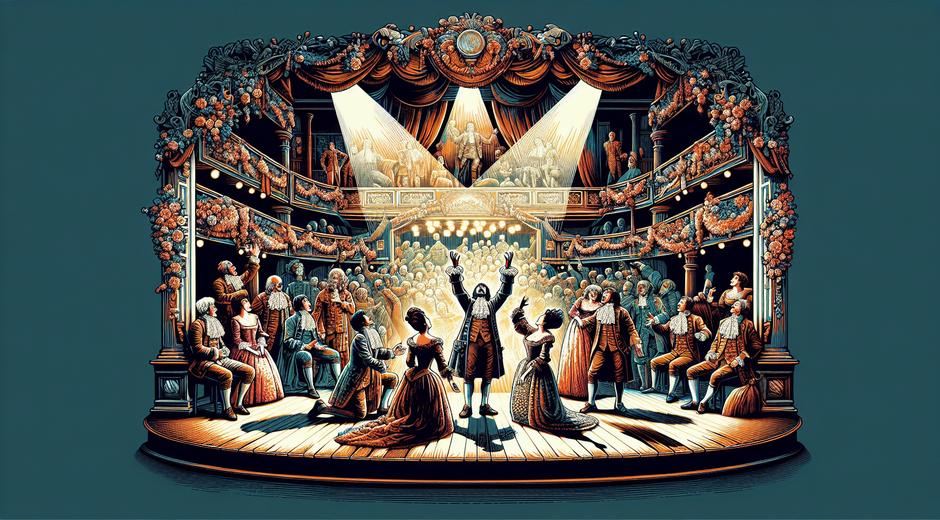


Final Act: The Power Of A Closing Chapter In Film
The phrase Final Act evokes images of tension resolution emotion and the last major turn in a story The Final Act is where narrative promises are fulfilled where character arcs complete and where audiences either rise to applause or file out feeling unsatisfied For any film site or creator understanding how to craft a memorable Final Act is essential Here we explore what makes a Final Act effective how it functions across genres and how filmmakers and critics can think about endings to leave a lasting impression
What Makes A Great Final Act
A great Final Act balances surprise and inevitability It must feel earned while still surprising the audience The best Final Acts answer core questions while opening new layers of meaning They do not simply wrap up plot threads They reveal character truth and reaffirm theme To achieve this filmmakers use escalation of stakes clear character choices decisive confrontation and a satisfying payoff Whether the movie is a large scale spectacle or an intimate drama the Final Act must deliver emotional clarity
Core Elements That Drive The Final Act
There are several elements that typically appear in a strong Final Act First the protagonist faces a pivotal choice that reveals who they have become Second the antagonist or opposing force presents the ultimate challenge Third the film tightens its pacing so each beat matters Fourth a reversal or revelation reshapes the meaning of what came before Finally the resolution ties back to the central theme of the story These elements work together to create momentum and resonance
Genre Variations In Final Acts
The way a Final Act plays out depends on genre In action films the Final Act often features a confrontation physically scaled to the stakes The emotional stakes may still be high but the resolution is resolved through action set pieces In mystery films the Final Act reveals clues and explains the puzzle In romance the Final Act tests commitment and trust In horror the Final Act may end with survival or an unsettling twist across genres strong Final Acts respect the rules of the story world while pushing the hero to transformation
Examples Of Memorable Final Acts
Cinema offers many lessons in how Final Acts can elevate a film Consider a quiet drama where the Final Act centers on a single conversation that reframes the entire film Or think about a thriller where the score tightens the tension and a reveal reframes the villain The specific tools may vary but the result is the same audience engagement and emotional pay off Modern audiences often discuss the Final Act more than any other part of a movie because it is the final impression that lingers in memory and in conversation
The Role Of Pacing And Rhythm In The Final Act
Pacing in a Final Act is crucial too fast and the audience might feel cheated too slow and friction can kill suspense Filmmakers use rhythm to build intensity cutting scenes shorter as the climax approaches or stretching moments to allow emotional weight to land Music sound design and editing choices all shape the perceived momentum The Final Act should feel inevitable but not predictable and that balance often comes down to careful pacing choices
Character Arc Completion In The Final Act
A Final Act is the place where the hero completes an arc Good endings show who the character has become rather than simply telling it A shy character who finally speaks up a cynical character who learns to trust these transformations must feel earned by earlier actions The resolution of the protagonist arc provides emotional catharsis and gives meaning to the obstacles the character faced The audience experience is more satisfying when the Final Act makes clear why the journey mattered
How Critics And Audiences Evaluate Final Acts
Critics and audiences use overlapping but different criteria when judging a Final Act Critics often look at thematic coherence technical execution and the filmmaking choices that lead to the ending Audiences tend to focus on emotional satisfaction and whether the ending feels fair to the characters Both perspectives are valuable For a site that covers all film categories it is useful to present both angles explaining the craft choices while acknowledging viewer response
Practical Tips For Filmmakers Crafting A Final Act
If you are writing or directing keep these practical tips in mind Clarify the key question the Final Act must answer Make sure earlier acts foreshadow the Final Act without giving it away Keep the stakes aligned with the character arc Avoid over explaining after the climax Let the audience fill in some meaning Trust the power of restraint and of silence Use juxtaposition of visual images and sound to intensify impact And test the ending with audiences to gauge if it reads as intended
Using The Final Act For Marketing And Discussion
The Final Act is often central to promotion and post release conversation Teasers can hint at the Final Act without spoiling key moments and critical essays often analyze how the ending reframes the film For movie lovers looking to explore endings in depth resources and curated essays help deepen appreciation If you want to discover more reviews and in depth essays across genres visit moviefil.com where you will find commentary that examines the craft of endings and the ways the Final Act shapes our memories of a film
The Final Act In The Digital Age
Streamed releases and serialized storytelling have changed audience expectations of endings In serialized formats Final Acts can be spread across episodes or leave open threads for future installments Movies released on digital platforms also invite immediate global reaction Social conversation can elevate or damage a Final Act within hours Filmmakers must consider how an ending will survive scrutiny in a connected world and how it will reward repeat viewing For technical and creative tools that help filmmakers refine sound visual effects and editing check resources at Techtazz.com which offers guides that can improve the craft of a Final Act
Conclusion
The Final Act is the decisive moment that defines a film The best endings are earned clear emotionally coherent and thematically resonant They bring closure while expanding the depth of the story and character For reviewers creators and fans paying attention to how a Final Act functions improves the appreciation of film craft and enriches discussion From pacing to character choices from sound design to marketing the Final Act matters at every step of a film life cycle By focusing on the elements that make a Final Act work you can understand why some films linger in memory while others quickly fade