

Cinematic Framing Techniques: Mastering Visual Storytelling
Strong cinematic framing techniques shape how an audience feels and what they understand from a scene. Framing is not just about what fits inside the camera frame. It is about how you place subjects and objects to guide attention create mood and support narrative. Whether you are a student filmmaker a director of photography or a critic refining your eye for composition learning to control frame choices will elevate your work.
Why framing matters
Good framing directs the viewer to the right subject at the right time and makes shots readable even when the scene is complex. Framing gives scale and context. It sets emotional distance by controlling how close or far the viewer feels from a character. It can create tension through negative space or establish unity by grouping elements that belong together. A single thoughtful frame can express a theme or a conflict without a single line of dialogue.
Core types of framing to master
There are basic frame categories that every filmmaker should know and apply with intent. Below are the essential types and what each can communicate.
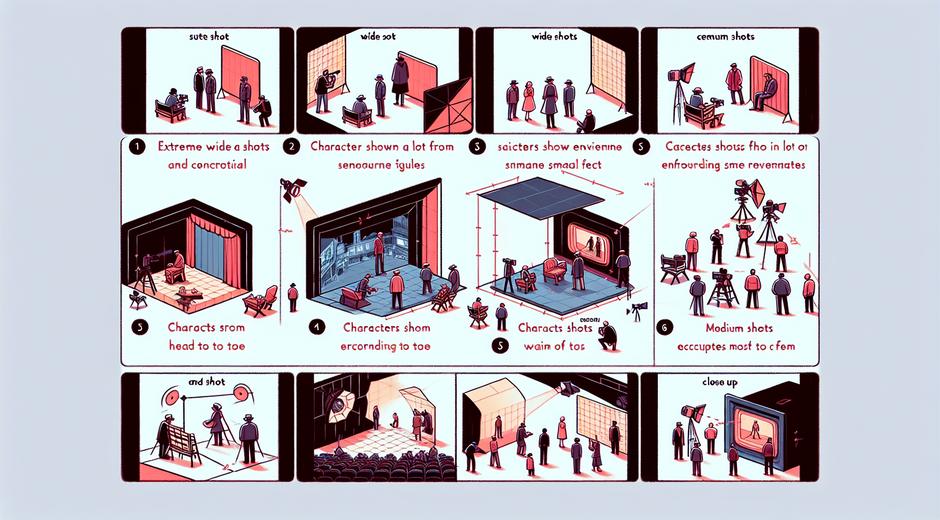
- Wide shot Shows subject in relation to environment. Use this to set location reveal journey or underscore isolation in a large world.
- Long shot Similar to wide shot but often used to show the full body of characters while keeping distance that supports narrative tone.
- Medium shot Focuses on torso and head. It is ideal for dialogue and interaction while still including some background for context.
- Close up Emphasizes facial detail or object detail. It increases intimacy and allows subtle emotion to register with the audience.
- Extreme close up Shows a small part of the subject such as an eye or a hand. It can intensify focus and create an abstracted view of reality.
Compositional rules and how to use them
Compositional ideas are tools not laws. They help you shape viewer reaction. Here are some common ideas and how to think about them when setting a frame.
- Rule of thirds Imagine two horizontal lines and two vertical lines dividing your frame into nine parts. Placing key elements on those lines or their intersections creates balance and natural visual interest.
- Leading lines Use architecture roads or natural lines to draw the eye into the frame toward a character or object. Leading lines can also create depth.
- Framing within frame Use doorways windows or foliage to surround a subject. This can isolate characters focus attention and add layers to the image.
- Negative space Leaving open space around a character can amplify loneliness or emphasize scale. The choice to include large empty areas is as deliberate as choosing to fill the frame.
- Balance and symmetry Symmetry can create calm or a sense of order. Breaking symmetry can create unease or draw attention to a subject that is slightly off center.
Camera angle and emotional impact
Angle and height tell a story about power control vulnerability and perspective. An eye level frame tells the audience they are in the same world as the character. A low angle can make a subject feel larger than life more imposing or heroic. A high angle can make a character feel small weak or exposed. Careful choice of angle combined with lens choice can subtly alter the emotional meaning of a scene.
Lens choice and framing
Lenses change how the frame reads. Wide lenses capture more environment and exaggerate perspective making the foreground feel larger and the background feel farther away. This can enhance depth or create distortion for expressive effect. Telephoto lenses compress space making background elements appear closer to the subject. Telephoto is useful for isolating subjects and creating a sense of claustrophobia or intensity. Choose focal length to match the emotional intent of the shot not just to fit the subject in the frame.
Lighting composition and color within the frame
Lighting is part of framing because it defines what the eye sees first. Use light to highlight the subject or to hide parts of the frame you do not want the viewer to read. Contrast can create focus. Soft light can flatten features and create calm. Hard light creates texture and intensity. Color can separate planes within the image and help guide attention. A warm highlighted subject against a cool background will naturally draw the eye. Treat light and color as sculpting tools that sit inside your chosen frame.
Motion and framing choices
Framing changes when the camera moves. A pan reveals information across a static axis. A tilt reveals vertical relationships. A push in can amplify the emotional importance of a moment. A pull back can reveal new context and change meaning. When setting a move plan the start frame and the end frame as if they are two separate compositions. The audience will compare the two and interpret the change. Use match frames at edit time so that cuts feel clean and that each shot advances the story.
Blocking actors to improve frames
Directors and cinematographers must think about how actors move inside the space. Blocking determines sight lines how faces read and how interactions register. When actors move across the frame think about their relationship to camera and to each other. Maintain consistent eye lines to avoid confusion. Use depth to create layered frames where foreground middle ground and background all serve narrative purpose.
Practical tips for planning shots
Previsualize scenes with storyboards or simple sketches. Walk the set at camera height and mark where people and props will be. Test a few lens choices and pick one that supports the core idea for the scene. Keep turnarounds short by deciding frame logic early. If you are working with a small crew use simple framing tools like flags or tape on the floor to mark frame edges and actor positions. For reference and inspiration check resources and case studies on sites such as Chronostual.com which offer deep dives into framing choices across classic and contemporary films.
Editing perspective on framing
Editors read shots differently than shooters. A good frame in the camera gives an editor options to cut and to vary rhythm. Provide coverage at multiple scales but make sure each frame has a reason. In the cut your shot choices define pacing. Hold on faces to let emotion settle. Cut early to create urgency. An editor who understands the original framing intent will preserve your visual goals and help tell the story more clearly.
Building a visual style with framing
Consistent framing choices create a signature look for a director or a project. Decide on a set of rules for how you treat space people and objects and stick to them so that your audience develops an expectation. You can vary those rules for key moments to create emotional contrast. Over time your approach to frame composition will become a storytelling language that communicates theme mood and character without words.
Where to practice and learn more
Practice by shooting short scenes focusing on single framing elements such as depth or negative space. Analyze films and freeze frames to study how masters place subjects and move the camera. For a hub of guides and examples visit moviefil.com where you will find articles and breakdowns that show framing techniques applied across genres. With deliberate practice you will learn to control what the audience sees and feels through the frame.
Conclusion
Cinematic framing techniques are essential tools for any visual storyteller. Mastering composition lens choice lighting and movement lets you craft images that do more than look good. They make the audience think feel and connect with your story. Start by learning basic frame types practice with intent and study the choices of great films. Over time your framing choices will become a powerful voice that supports the story you want to tell.