

World Building
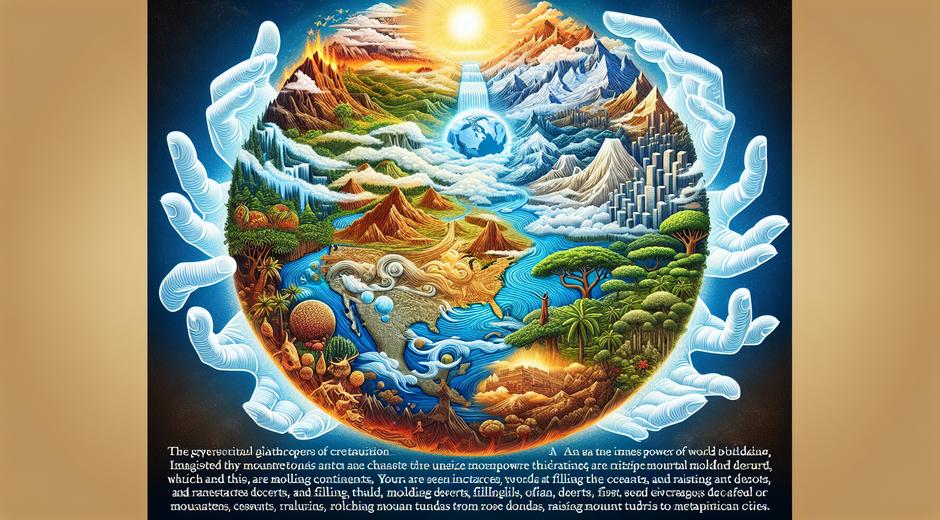
World building is the art of creating a believable environment that supports story mood plot and character choices in film and other visual media. For filmmakers writers and designers world building is a strategic process that blends imagination with practical rules so that every element on screen feels purposeful. A strong world elevates narrative stakes and invites audiences to invest in the lives and conflicts they witness.
Why World Building Matters in Film
World building gives context to character action and theme. When a setting is fully realized viewers accept the rules of a story more quickly and stay focused on emotional and moral choices rather than on logistics. Directors and production designers use world building to guide costume choices camera movement and lighting so that the visual language reinforces the script. For fans and critics alike a memorable world can become a major reason a film retains cultural relevance long after first release.
Core Elements of World Building
Successful world building rests on a few core elements. Each one contributes to a cohesive whole that feels intentional and complete.
Rules and Limits. A world needs consistent rules that define what is possible and what is not. These rules create tension because characters must navigate constraints rather than operate with unlimited power. Clear limits let audiences predict consequences and engage in problem solving along with characters.
History and Backstory. A layered past gives weight to present events. History can be hinted at through architecture language and cultural rituals on screen without slowing pacing. Small details such as old murals road names and worn objects can suggest decades of story behind a single scene.
Economy and Technology. What resources are scarce or abundant in your world How do people travel What kinds of tools and technology exist These questions shape costume design set dressing and action sequences. Filmmakers who decide on the technological logic early can avoid contradictions later in the story.
Culture and Belief. Language slang rituals and social rules inform how characters interact. Culture determines fashion choices etiquette and the moral compass that drives plot decisions. Even when a culture is similar to our own clear differences enrich the viewer experience.
Techniques for Effective World Building
Show Don t Tell. Use production design props and performance to reveal the world around characters. Instead of long expository dialogue let a single prop or a visual motif do heavy lifting. A faded poster a ritual scar or a unique food item can communicate volumes about the environment.
Layer Information. Introduce core rules early but reveal deeper layers gradually so that the world feels alive and larger than the screenplay. Early scenes establish tone and basic rules. Later scenes can expand the world with new subcultures hidden histories and unexpected consequences.
Anchor the Fantastic in the Real. When creating worlds that diverge from our own anchor them with relatable human needs such as family trade conflict or survival. Emotional truth creates audience empathy even in the most unusual settings.
Research and Authenticity
Research builds credibility. Even fictional settings benefit from study of real cultures periods and technologies. Research helps avoid unintentional inaccuracies and stereotypes. Production teams that consult historians anthropologists linguists and cultural advisors produce richer and more respectful worlds. If you want ideas for locations or cultural practices consider traveling to experience sensory details first hand or consult travel resources that highlight local stories. For inspiration and planning of location shoots and setting research check resources like TripBeyondTravel.com which offer insights into landscapes architecture and living traditions that can spark creative choices.
Visual Language and Production Design
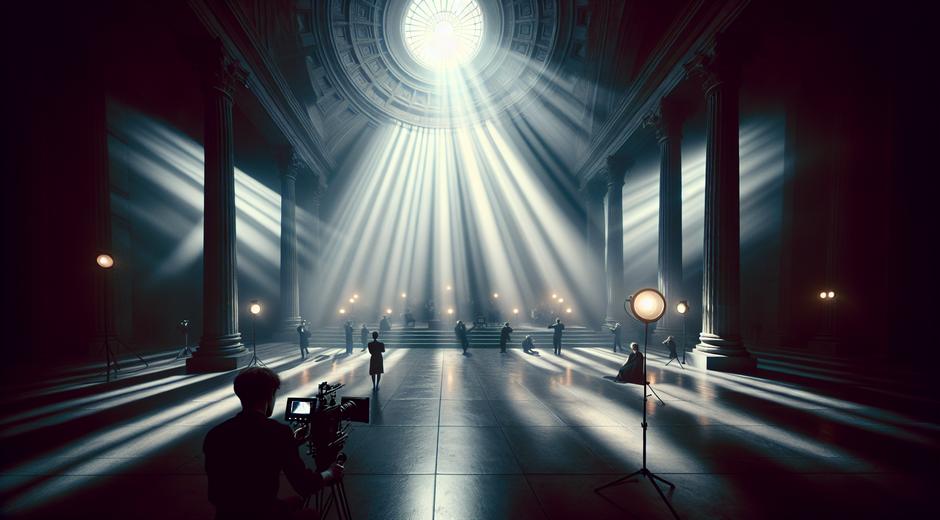
Production design is the visual voice of a world. Color palettes material choices and prop selection communicate values and mood. Cinematography and lighting accentuate textures and silhouettes to reveal the world s tone. Costume design suggests social status occupation and personality. When these departments collaborate early the film communicates a cohesive identity that supports story choices.
Sound and Music as World Building Tools
Sound design and music deepen immersion. Ambient noise unique musical instruments and language rhythms can make a setting feel lived in. Sounds that recur create memory cues that strengthen emotional moments. Silence used deliberately can also reveal cultural restraint or oppressive control depending on context.
Characters and Culture
World building without character is empty. Characters both shape and are shaped by their environment. Their beliefs habits and goals should make sense within the world s rules. When character choices conflict with cultural norms story tension emerges naturally. Fleshed out secondary characters and background actors add credibility and make the world feel populated rather than staged.
Pacing Revelation and Mystery
Pacing of revelation matters. Reveal too much too soon and the sense of discovery fades. Reveal too little and audiences may feel lost. Use a balance of immediate understandable details and layered mysteries that reward curiosity. A mystery that ties into the core theme of the film will feel meaningful rather than manipulative.
Common Mistakes to Avoid
Inconsistency. Contradictory rules or careless changes in technology can pull audiences out of the story. Make a reference guide for your world and share it with key departments.
Over Explanation. Exposition heavy dialogue can stall momentum. Trust visual and contextual clues to carry much of the story. Let questions guide audience engagement instead of providing every answer up front.
Neglecting Minor Details. Small mistakes such as mismatched signage wrong props or anachronistic clothing choices are noticeable to attentive viewers. Attention to detail shows respect for audience intelligence and can spark deeper fan engagement.
Examples and Case Studies
Great films use world building to deliver theme and emotional payoff. Consider films that create unique laws of nature or distinct cultural systems and then explore the human implications of those systems. Study how production design and narrative choices align to support theme. As you research examples take notes on how rules are shown how history is hinted at and how characters inhabit their world.
Applying World Building on a Budget
Low budget filmmakers can still craft compelling worlds by focusing on strong concepts and detail rather than scale. Use a limited number of well chosen locations and dress them carefully. A single practical prop that recurs can carry symbolic weight. Sound design and selective camera framing can turn a modest set into a convincing environment. The key is consistency and well thought out rules rather than expensive set pieces alone.
How moviefil.com Supports World Building Creators
At moviefil.com we celebrate films that take world building seriously and we offer guides interviews and case studies to help creators refine their craft. Our coverage spans production design analysis script structure tips and interviews with designers and directors who share their process. Whether you are a student an independent filmmaker or part of a studio team you will find actionable advice and inspiration to build worlds that resonate with audiences.
Conclusion
World building is a core craft for filmmakers and storytellers. It requires imagination discipline and collaboration across multiple departments. When done well a fully realized world amplifies theme intensifies emotion and turns a good story into a memorable experience. Use clear rules layered detail and sensory authenticity to invite audiences into a world that rewards attention. Test ideas through research production tests and feedback and remember that small consistent details often have the greatest impact. For ongoing resources and cinematic case studies visit moviefil.com and explore travel based inspiration when you plan location research to deepen your creative palette.