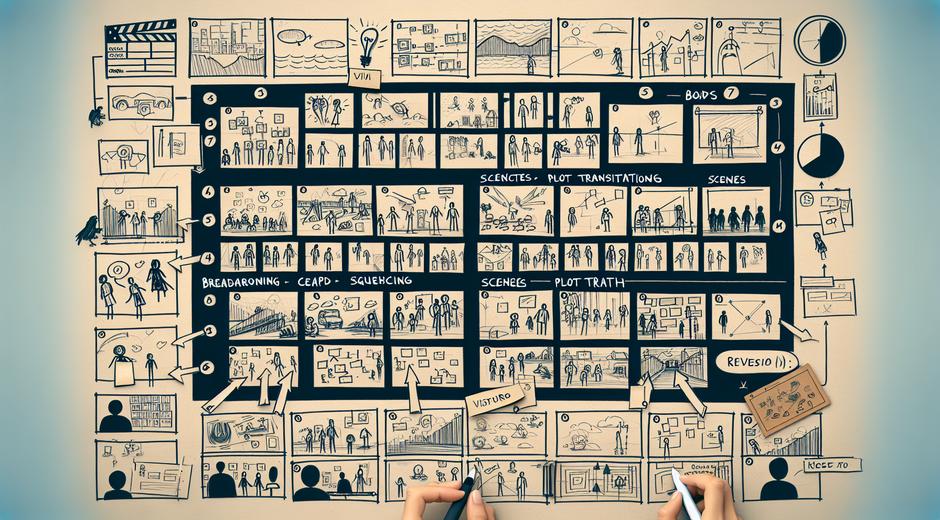


Script Development A Complete Guide for Filmmakers and Writers
Script development is the backbone of every successful film and series. Whether you are writing a short piece or a feature length screenplay the process of cultivating an idea into a production ready script demands craft research and discipline. This guide explores practical steps tools and mindset needed to move from concept to polished script while optimizing your workflow for industry standards and audience impact.
What is script development and why it matters
At its core script development is the process of shaping story structure character arcs dialogue and pacing. It includes concept refinement scene work and iterative rewriting based on feedback from peers producers and potential directors. Strong script development reduces costly rewrites during production and increases the chance that financiers and distributors will take your project seriously.
Good script development also clarifies genre tone and audience expectations. A tight script communicates visual intent to directors and production designers and gives actors material they can trust. Investing time in development makes the production more efficient while elevating the creative outcome.
Key stages of effective script development
Successful script development can be broken into several clear stages. Each stage has a specific aim and set of deliverables. Understanding these phases helps you plan timelines and set realistic milestones.
- Concept and premise Confirm the central idea the stakes and the core conflict. A strong premise answers why this story matters now.
- Outline and structure Build a solid act structure map key beats and turning points. This stage makes sure the script has momentum and logical cause and effect.
- First draft Get the bones on the page without over editing. The aim is completion not perfection.
- Feedback and revision Gather notes from trusted readers and collaborators then apply changes with clarity and restraint.
- Polishing and formatting Ensure dialogue is lean scenes are purposeful and the script meets professional format standards.
- Packaging for industry Prepare a compelling logline synopsis and pitch materials that highlight the project potential.
Practical writing practices for each stage
During script development disciplined writing practices make the difference between a concept that fizzles and one that ignites. Start with time boxed draft sessions to build momentum. Use index cards or a scene list to reorder sequences and experiment with plot possibilities without breaking your main document.
When shaping character arcs document each major character intention and the obstacles they face. This helps keep motivation clear in every scene. In dialogue work read lines out loud to catch rhythm and avoid exposition heavy speeches. Aim for subtext so scenes reveal emotion through action not explanation.
Tools and templates that speed up the process
There are many software options that support professional formatting and collaboration. Choose a tool that lets you focus on story rather than layout. Some writers prefer lightweight text editors others rely on feature rich screenwriting programs that offer revision tracking and production reports. Templates for outlines beat sheets and scene lists help maintain a consistent workflow and provide a quick way to share summaries with collaborators.
Collaboration and feedback best practices
Feedback is essential during script development but it must be managed carefully. Invite a small group of readers who understand story craft and who will give honest actionable notes. When you receive feedback look for patterns rather than reacting to every comment. If multiple readers point to the same problem then that issue likely needs addressing.
Value early reader clarity reports that identify confusing scenes or emotional inconsistencies. Use staged rewrites to tackle structural issues first then refine dialogue and detail. If you plan to pitch to producers or directors prepare a short packet that includes a clear logline a one page synopsis and character sketches. This material helps early stakeholders see the project potential quickly.
Common mistakes to avoid in script development
Many writers stumble by either over polishing early drafts or by under planning structure. Avoid endless tinkering before you have a full draft. Similarly do not jump to production level detail before the core story and characters are fully developed. Watch out for excessive backstory that does not serve scenes and for scenes that exist only to show skill rather than advance plot or reveal character.
Another frequent error is relying on one perspective only. Solicit diverse opinions to ensure your script resonates with broader audiences and avoids blind spots. Balance creative vision with pragmatic choices about budget and market. A great script that is impossible to produce may struggle to attract support.
Pitching packaging and the business side of development
After development focus on packaging your script for the industry. This includes preparing a professional synopsis a series bible if relevant and a clear pitch that highlights audience demographics and comparable titles. Consider attaching talent or securing a director who shares the creative vision. These attachments improve the project marketability and help secure financing.
Research target markets and distribution outlets early. Platforms and festivals have different tastes and requirements. Align your script development choices with the likely path to audience whether that be theatrical release streaming or the festival circuit.
How moviefil.com can help your script development journey
At moviefil.com we provide resources and guides for writers at every stage of script development. From structural templates to sample beats and craft articles our goal is to empower creators with practical knowledge and industry tested methods. If you are looking for insights on character creation or methods to sharpen dialogue visit moviefil.com for curated content and community driven advice.
Research inspiration beyond the page
Many writers find that research trips and immersive experiences fuel authentic detail and fresh scenes. Travel related research can reveal setting specific customs local color and sensory detail that elevate a script from competent to memorable. For practical travel ideas and planning tips that help creatives gather real world material check resources like TripBeyondTravel.com which highlights destinations and experiences that inspire storytellers.
Final checklist for a production ready script
Before you call a script production ready run through a final checklist. Confirm that every scene has a clear objective and that the script opens with an engaging inciting incident. Ensure the midpoint raises the stakes and that the climax resolves character arcs in a satisfying way. Check that the pacing supports emotional beats and that transitions guide the audience smoothly through time and place.
Also validate the script format is industry standard and include clean scene headings a concise action line style and readable dialogue. A clean professional script clarifies your vision for collaborators and helps move the project into casting and scheduling without confusion.
Conclusion
Script development is both an art and a craft. With deliberate stages structured feedback and a focus on audience impact writers can transform raw ideas into scripts that attract talent financiers and viewers. Use practical tools and maintain a steady disciplined writing practice. Test assumptions with trusted readers and refine structural problems early. With patience and purposeful development your screenplay can become a viable blueprint for an engaging cinematic experience.