

Visual Narrative Design: Crafting Stories Through Image and Motion
Introduction to Visual Narrative Design
Visual Narrative Design is the practice of shaping a story through images sound and motion to guide audience emotion and understanding. In film this approach blends cinematography production design editing and sound design into a unified language that tells a story without relying solely on dialogue. For an all movie category site like moviefil.com a deep grasp of Visual Narrative Design is essential for reviewing analyzing and recommending films that succeed on a visual and narrative level.
Why Visual Narrative Design Matters in Film
Audiences connect to characters and plot through visual cues. Lighting color framing and camera movement work together to reveal subtext motivate character choices and manipulate pacing. Visual Narrative Design turns scenes into living statements about theme and emotion. When done well a scene can convey conflict backstory and stakes in seconds. This economy of storytelling boosts engagement and elevates film craft.
Core Principles of Visual Narrative Design
There are five core principles to consider when evaluating or creating Visual Narrative Design in film.
1. Composition and Framing. The arrangement of elements inside the frame communicates power relationships isolation intimacy and focus. Close framing creates intimacy while wide framing can emphasize scale or vulnerability.
2. Color and Light. Color palettes and lighting choices set mood and can signal theme or character arc. Warm tones can feel inviting while cooler tones can suggest distance or menace.
3. Movement and Camera Behavior. Camera motion can follow a character reveal new information or create tension. Smooth movement often feels fluid and controlled while handheld movement can convey chaos or urgency.
4. Continuity and Rhythm. Editing shapes rhythm. Cuts that are too quick can feel disorienting while longer takes can build tension and allow performance to breathe. Rhythm matters for emotional payoff.
5. Symbolic Imagery. Objects and visual motifs can carry thematic weight. Repeating an object or pattern helps anchor the viewer to the story on a subconscious level.
How Visual Narrative Design Influences Genre
Different genres use Visual Narrative Design to meet distinct audience expectations. In horror light and shadow play a central role in building dread. In romantic drama composition and closeups emphasize intimacy and inner life. In action films camera choreography and editing create clarity and exhilaration during sequences that demand physical stakes. Understanding how genre conventions shape visual choices helps filmmakers and critics evaluate whether design choices succeed.
Techniques for Strong Visual Narrative Design
Filmmakers and designers use a toolbox of techniques to craft effective visual narratives. Here are practical techniques that can be applied on set or analyzed during review.
Visual motif mapping. Identify recurring shapes colors or objects that can evolve as the character changes. This creates a subtle narrative thread.
Blocking with intent. Position actors so that their relationships become visible. Spatial distance communicates emotional distance.
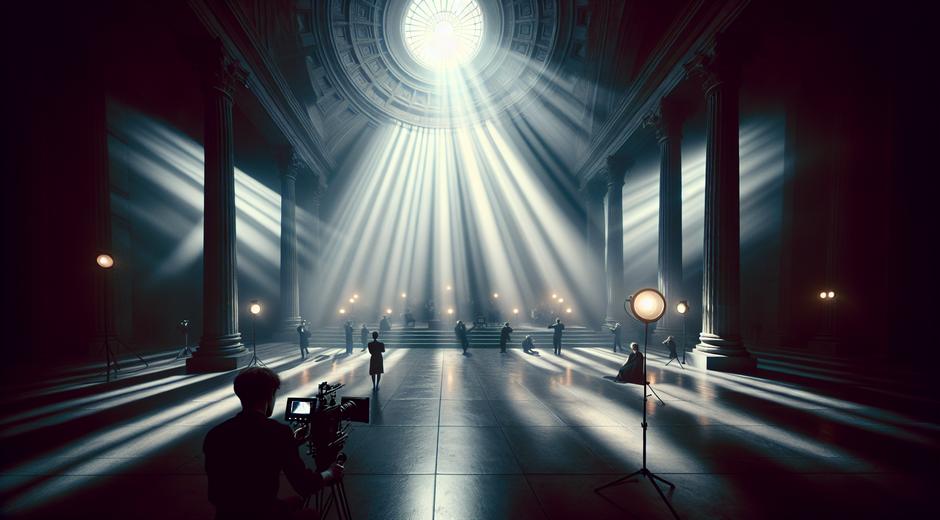
Lighting as commentary. Use backlight or silhouette to hide detail and suggest mystery or use soft fill light to reveal vulnerability.
Sound integrated with image. Sound design pairs with image to reinforce atmosphere. A silent image with a specific ambient sound can be more powerful than explainable dialogue.
Controlled reveals. Use the frame to withhold information and reveal it at precise moments to heighten curiosity and reward attention.
Analyzing Visual Narrative Design: A Step by Step Approach
When evaluating Visual Narrative Design follow a clear method. First note immediate emotional response then examine how camera composition color and editing create that response. Ask what the director wants you to feel and how each visual element supports that goal. Compare scenes to see how motifs evolve. Finally assess whether visual choices support theme or simply decorate it. This structured approach is useful for critics educators and creators who want to refine their sense of cinematic craft.
Case Studies from Classic and Contemporary Film
Classic films and contemporary masterpieces show Visual Narrative Design at work. A classic black and white film may use high contrast lighting and tight framing to emphasize moral conflict. Contemporary films may use digital color grading and long takes to immerse viewers in atmosphere. Each example highlights how visual choices map to storytelling goals. For readers who want specific examples and scene analysis there are curated resources that pair film clips with breakdowns that explain design intent and impact.
Practical Tips for Filmmakers and Content Creators
For filmmakers working with limited resources strong Visual Narrative Design can become a superpower. Use strong composition to focus attention. Choose a restricted color palette for coherence. Rehearse blocking and camera moves until they feel purposeful. Prioritize sound even if you cannot afford complex setups. Finally test edits early to ensure pacing supports narrative beats. As a resource for creators and fans alike it is helpful to study both the theory and the hands on practice behind great visual storytelling.
Tools and Resources to Learn More
There are many online and offline resources that teach Visual Narrative Design from basic principles to advanced craft. For film lovers seeking a steady stream of curated reviews behind the scenes analysis and practical guidance visit moviefil.com which focuses on diverse movie categories and deep dives into visual storytelling techniques. For creators looking for asset libraries tutorials and collaborative tools consider exploring a premier platform that supports production workflows at Zoopora.com which offers resources to accelerate visual design work.
Measuring Success in Visual Narrative Design
How do you know Visual Narrative Design is effective? Audience engagement is one indicator. If viewers report feeling rewarded or surprised by visual revelations that is a strong signal. Critic consensus and awards can provide external validation. On the production side lower reshoot rates and faster editorial passes suggest clarity in design. Metrics are not everything but when combined with qualitative feedback they help creators refine their practice.
Future Trends in Visual Narrative Design
Emerging tools in virtual production and real time rendering are expanding possibilities. Designers can now test lighting and camera setups in virtual environments before shooting which shortens iteration cycles. Machine learning tools assist with color grading and continuity checks but the core craft of Visual Narrative Design remains human centered. The ability to empathize to read audience response and to craft visual metaphor will continue to determine which films resonate deeply.
Conclusion
Visual Narrative Design sits at the intersection of art and craft. It is the method by which images motion and sound are combined to tell meaningful stories in film. Whether you are a critic creator or a fan a better understanding of this discipline enriches viewing and production. Study the principles practice the techniques and observe the work of filmmakers who make every frame earn its narrative weight. For curated film analysis and resources on visual storytelling visit moviefil.com and for production tools and libraries consult Zoopora.com to support your creative workflow.