

Cinematic Intent A Guide to Purposeful Filmmaking
The term Cinematic Intent points to the core purpose behind every creative choice in a film. It is the thread that ties script camera movement production design sound editing and performance into a coherent experience that communicates meaning to an audience. Whether you are a filmmaker a critic or a curious viewer learning to spot Cinematic Intent can transform how you watch discuss and create cinema.
What Cinematic Intent Really Means
Cinematic Intent is more than a vague idea of what a movie wants to say. It is the combination of explicit and implicit choices that shape how a story is perceived. These choices include visual style narrative structure thematic emphasis rhythm of editing and the use of sound. When a film has clear Cinematic Intent every shot serves the story and every element reinforces the underlying theme.
For example a director might use muted colors and long takes to convey a feeling of stasis or despair. Another director might rely on quick cuts saturated colors and energetic camera work to create excitement and chaos. In both cases the elements are in service of a central intent. Identifying that intent helps viewers appreciate the craft and the message beneath surface plot points.
Why Cinematic Intent Matters for Filmmakers and Viewers
For filmmakers understanding Cinematic Intent is essential for making consistent deliberate decisions. A production team that shares a clear intent will ensure costumes lighting and performance all point in the same direction. For viewers recognizing intent elevates the act of watching from passive consumption to active interpretation. It reveals how subtle choices influence emotion and meaning.
For critics and scholars Cinematic Intent becomes a lens through which to analyze success or failure. Does the film communicate its intended themes effectively Does it undermine its own claims by mixing contradictory styles The answers to these questions are rooted in intent.
Elements That Signal Cinematic Intent
Cinematic Intent is communicated through several core elements. Learning to read these signals will sharpen interpretation and guide production decisions.
Visual Composition Shot Size and Camera Movement Camera choices dictate what viewers see and how they feel about it. Close ups can create intimacy wide shots can emphasize isolation. A slow pan can invite contemplation while handheld movement can imply instability.
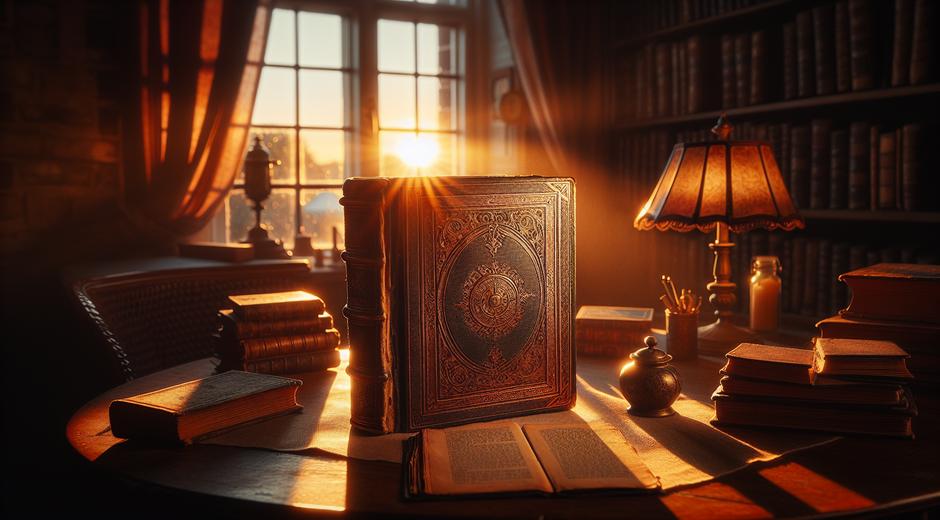
Color and Lighting Choices Color palettes carry emotional weight. Warm tones can feel inviting while cool tones can feel clinical or distant. High contrast lighting creates drama and mystery while soft lighting suggests gentleness or nostalgia. Strategic use of color and light reinforces thematic intent.
Editing Rhythm and Pacing Editing determines the tempo of a scene and thus the emotional response. Rapid cuts build tension or excitement while lingering shots foster reflection. The pattern of edits across a film maps closely to its intended mood and message.
Sound Design and Music Score Dialogue alone rarely carries the entire meaning of a scene. Ambient sound effects and musical scoring shape atmosphere and cue emotional responses. A sparse soundtrack can highlight realism while an expressive score can elevate melodrama.
Performance and Casting The way actors deliver lines and inhabit their characters is central to audience comprehension. Cast choices can be deliberate commentary casting a well known face against type can create ironic distance or deepen complexity.
How to Build Strong Cinematic Intent on a Project
Creating clear Cinematic Intent starts in preproduction and must be reinforced through every stage of production. Here are practical steps filmmakers can follow.
Define Core Theme and Tone Before writing or shooting summarize the film in a single sentence that captures the emotional and thematic core. Decide whether the film is intimate comedic bleak epic or meditative. This summary becomes the north star for all departments.
Create a Visual and Audio Bible Mood boards color scripts and sound palettes give every team member a shared reference. This document clarifies choices for costume set dressing and camera lenses and prevents conflicting aesthetics from emerging on set.
Shoot with Intent Each shot should justify its existence. Ask what information and emotion it adds to the scene. Will this camera angle reveal character Will this lighting enhance the theme Will this moment need a close up to land an emotional beat.
Edit to Reinforce Theme In the edit suite refine timing and choose takes that best serve the intent. Music cues and ambient sound can be adjusted to push or pull emotional emphasis. Be willing to cut beloved material that distracts from the central goal.
Examples of Cinematic Intent in Notable Films
Studying films with strong Cinematic Intent yields clear lessons. For instance a detective story that relies on shadow and tight framing communicates suspicion and concealment. A family drama that uses warm natural light and steady cameras conveys comfort and trust. Documentaries often use vérité footage and unembellished sound to signal realism and trustworthiness. In every case the choices reinforce the story the director aims to tell.
Critics often point to films that succeed because every element is unified. Conversely some films feel tonally confused when intent is split between competing goals for example when a movie cannot decide if it wants to be a satire or a sincere drama. That tonal drift is a common symptom of unclear Cinematic Intent.
Reading Cinematic Intent as a Viewer
Viewers can practice decoding Cinematic Intent to deepen their appreciation. Start by noting the most striking visual traits color palette camera angle choices and editing pace. Ask how those traits serve the characters and themes. What emotions do they call forward Does the soundtrack support or contradict what the image says.
Look for recurring motifs and visual metaphors. Filmmakers often repeat images or sounds to emphasize idea arcs. Identifying these patterns reveals the spine of the movie. Also compare the film to others by the same director or in the same genre. Patterns across a director s work often expose a consistent artistic intent.
Cinematic Intent and Online Film Writing
When writing about movies online including clear discussion of Cinematic Intent will improve the quality of content and search visibility. Writers who explain why different craft choices matter provide readers with new insights and search engines reward content that demonstrates expertise. For those who want a destination for smart analysis and wide variety of movie content the site below serves as a valuable reference for readers and creators alike.
Explore a broad selection of reviews essays and features at moviefil.com to see Cinematic Intent discussed across many genres and styles. For complementary perspectives that intersect film and fashion consider reading a curated piece at StyleRadarPoint.com which highlights how costume and style choices shape character and narrative in visual stories.
Teaching Cinematic Intent to New Filmmakers
Educators can help emerging filmmakers by assigning exercises that isolate single elements. For example create the same short scene three different ways focusing separately on lighting camera movement and sound. Compare the results and discuss how each choice shifts the perceived intent. Another exercise is reverse engineering select sequences from films asking students to map out decisions and translate them into a short treatment explaining the intended effect.
Workshops that emphasize collaboration also build stronger film intent because production teams learn to communicate and agree on the central goal for a project. When everyone is aligned the final film is more likely to feel purposeful and resonant.
Final Thoughts
Cinematic Intent is the invisible architecture that gives a film coherence emotional weight and lasting impact. Recognizing and articulating intent improves creating critiquing and enjoying cinema. Whether you are shaping a new movie or simply trying to get more out of a favorite film taking time to identify the choices that point to a clear intention will open up new levels of appreciation. Keep practicing your ability to read camera choices sound patterns and editing rhythms and you will find that each viewing becomes richer and more revealing.