Blocking Dynamics in Film: How Actor and Camera Movement Shape Storytelling
What Are Blocking Dynamics
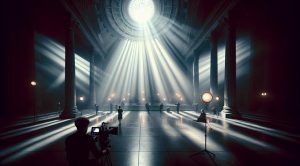
Blocking dynamics refers to the arrangement and movement of actors and cameras within a scene. It covers where actors stand when they begin a take where they move during a scene how the camera follows or frames that movement and how light and sound respond. In film production blocking dynamics is one of the most powerful tools a director and cinematographer use to guide audience attention reveal relationships and shape emotional rhythm.
Understanding blocking dynamics is more than learning set positions. It is about choreography of intention. Each movement on screen communicates subtext. A small step toward a window can signal isolation leaving a frame may suggest emotional separation. When directors and crew treat blocking dynamics as a storytelling element they turn staging into an active narrative device.
Why Blocking Dynamics Matter for Movies
Good blocking dynamics have multiple effects. They clarify who is important in a moment. They create spatial logic so viewers understand where everyone is relative to one another. They build pacing by varying movement intensity and camera coverage. They enhance performance because actors can use movement to reveal inner life. Finally they shape editing options. Well planned blocking dynamics give editors coverage that allows for rhythmically coherent cuts and richer dramatic emphasis.
Blocking dynamics also support genre choices. A thriller uses quick shifts and tight frames to create tension. A romantic drama uses slow approach and lingering frames to build intimacy. Comedies exploit timing of exits and entries to land visual jokes. Recognizing how blocking dynamics serve genre lets filmmakers design scenes that feel idiomatic and effective.
Planning Blocking Dynamics in Preproduction
Planning blocking dynamics should begin early. During script breakdowns note scenes that depend on precise movement such as chases reveals and door slams. Create simple diagrams of the set that mark actor paths camera positions and lighting zones. Storyboards and animatics help visualize camera movement relative to actor movement so the team can find cinematic geometry that feels natural.
Rehearsal time is vital. Use table reads and on stage rehearsals to test emotional beats and spatial choices. Rehearsals reveal whether an actor needs more room to sell a gesture or whether a camera position will block sight lines. When possible run camera rehearsal with the same lenses and lighting to confirm sight lines and focus pulls. Early testing reduces costly changes on the day of the shoot and preserves the integrity of your blocking dynamics.
Techniques for On set Blocking Dynamics
Create focal anchors. Place permanent set pieces like a sofa table or lamp so actors have clear points to move toward. These anchors help actors hit marks organically while the camera frames them convincingly.
Use contrast in movement. Mix static moments with sudden motion to highlight key beats. If an entire scene is in long take consider breaking rhythm with a sudden walk across frame. For scenes with many actors employ split focus staging where different planes contain different actions so the camera can shift attention smoothly.
Think in arcs. Instead of straight lines have actors move in curved paths. Arcs read better on camera and open up dynamic interactions between foreground and background. Curved movement is particularly effective for emotional shifts because it produces fluid transitions in frame composition.
Coordinate camera movement with actor movement. A tracking shot that follows an actor into a room can reveal a new visual motif or surprise. But if camera movement competes with performance it can dilute the emotional impact. Always decide whether camera movement will enhance or distract from the acting intention.
Record marks and rehearse hits. For scenes with precise timing such as comedy beats or action sequences mark the floor and rehearse movement with camera and lighting cues. This ensures actors can hit emotional or comedic maxima and that technical crew can execute focus pulls and exposure changes at the right moment.
Camera Placement and Lighting Considerations
Camera positions determine the viewer perspective so think carefully about coverage. Wide shots establish geography and show blocking dynamics in context. Medium shots reveal intention and allow for interaction. Close ups isolate emotion and can negate larger movement if used too early. Use a hierarchy of shots that preserves the logic of movement so that cuts do not produce spatial confusion.
Lighting must accommodate actor paths. Plan lighting setups that allow natural movement without forcing actors into shadows. Practical lights that actors can interact with help integrate movement into the scene. When blocking dynamics require actors to pass through different lighting zones create soft fill and subtle flagging to maintain overall exposure while preserving mood shifts.
Sound also plays a role. Microphone placement and booms must be coordinated so they do not intrude on actor movement. Movement that produces unintended sound must be traded for alternate blocking or managed with foley and ADR strategies in postproduction.
Editing and Blocking Dynamics
Well executed blocking dynamics give editors choices. Coverage recorded from multiple angles allows editors to select cuts that match the emotional arc and maintain continuity. When editors understand the intended dynamics they can preserve the original beats or enhance them with timing adjustments.
Use coverage to manage pacing. Rapid cutting can heighten tension when blocking dynamics are jerky and nervous. Long takes that preserve choreography create immersion by letting movement breathe. Editors can also reframe the same movement by altering shot length and sequence thus changing the emotional reading.
Avoid continuity errors in blocking. Maintain consistent eyelines and actor positions across takes. A misplaced prop or different foot placement can lead to jarring cuts that break immersion. Editors spend less time fixing continuity issues when blocking dynamics are consistent and repeatable.
Case Studies That Illustrate Blocking Dynamics
Look to classic scenes to see blocking dynamics at work. A single corridor chase reveals how staging and camera movement create urgency. Ensemble dinner scenes demonstrate how blocking dynamics can reveal power hierarchies by placing characters physically closer or farther from the camera. Dialogue scenes that rest on a simple shift in body angle show how slight movement can change meaning.
Studying these scenes in slow motion or with storyboards exposes how directors manipulate space and camera to guide attention. Break down scenes shot by shot and label actor positions camera lenses and light zones to learn the mechanics of successful blocking dynamics.
Practical Tips for Filmmakers
- Start blocking during rehearsal and bring camera and lighting crew to final rehearsals.
- Use a simple floor plan to record marks and actor paths for repeatability.
- Choose a camera coverage plan that supports your intended emotional beats.
- Avoid over directing movement. Give actors freedom to discover natural choices on set.
- Record reference footage during rehearsal to communicate blocking dynamics to editors and postproduction crew.
Where to Learn More and Get Inspiration
If you want a steady source of techniques scene break downs and inspirational examples check available resources and portals dedicated to film craft. For general film coverage and curated articles about production craft visit moviefil.com where you will find analyses that focus on staging camera strategy and narrative impact.
For resources on musical staging arts time based performance research and archival material that can influence choreography and blocking study the material at Museatime.com which offers a broad view of how movement and space work in different performance traditions.
Conclusion
Blocking dynamics is a core craft of filmmaking. It bridges direction performance cinematography lighting sound and editing. By treating blocking as an intentional narrative tool filmmakers gain control over what the audience sees and feels. Plan early rehearse thoroughly document marks and coverage and always align camera choices with acting intention. With disciplined blocking dynamics scenes gain clarity pace and emotional impact that elevate the story.