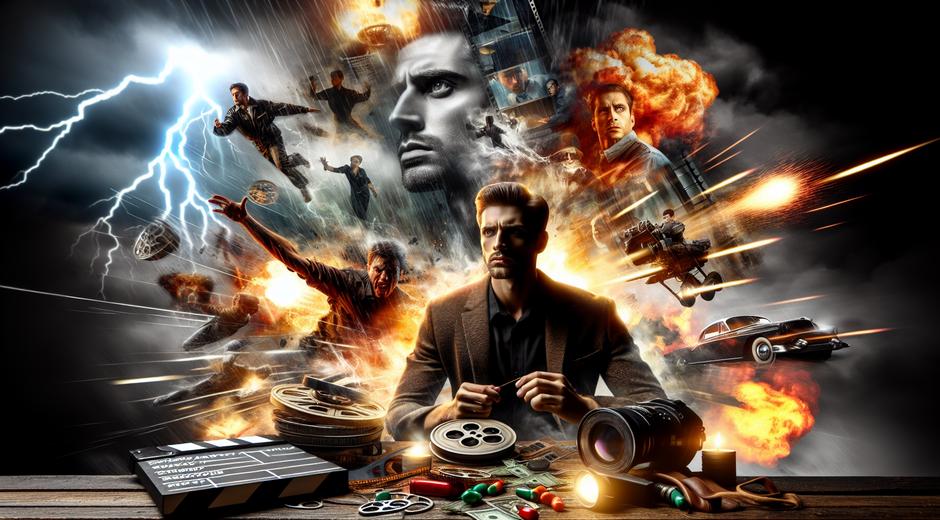


Cinematic Intensity: How Films Create Emotional Power
Cinematic intensity is the force that lifts a scene from mere motion to a lasting memory. For filmmakers and film lovers the pursuit of intensity shapes choices about camera work sound design performance and rhythm. In this article we explore what cinematic intensity means why it matters and how creators achieve it across genres. If you want to find more film analysis and curated lists visit moviefil.com where we break down craft and emotion in modern cinema.
What Cinematic Intensity Really Means
Cinematic intensity refers to the concentrated emotional energy that a film scene or sequence transmits to viewers. It is not simply loud sound or fast cuts. True intensity is a blend of visual focus performance choices sound elements and narrative stakes that together demand attention and create visceral response. When a scene carries cinematic intensity viewers do not just watch they feel the scene in their bodies and remember it long after the credits roll.
Key Elements That Build Cinematic Intensity
Several core elements form the backbone of cinematic intensity. Directors and their teams shape each component to serve the emotional goal of a scene. Those elements include camera framing and movement lighting and color sound and score editing and pacing and actor performance. Mastery comes from aligning these tools so they reinforce the same emotional direction.
Camera Choices and Visual Focus
Camera work defines where the audience looks and how close they feel to characters and action. Tight framing can increase intensity by reducing the field of view and pulling attention to a face or a small object. Slow deliberate moves can escalate tension by prolonging uncertainty. Conversely quick abrupt moves can shock. Lenses and depth of field further alter perception. A shallow depth of field isolates a face from background distraction while a wide lens can make a space feel claustrophobic. All of these choices sculpt cinematic intensity at a visual level.
Lighting and Color as Emotional Tools
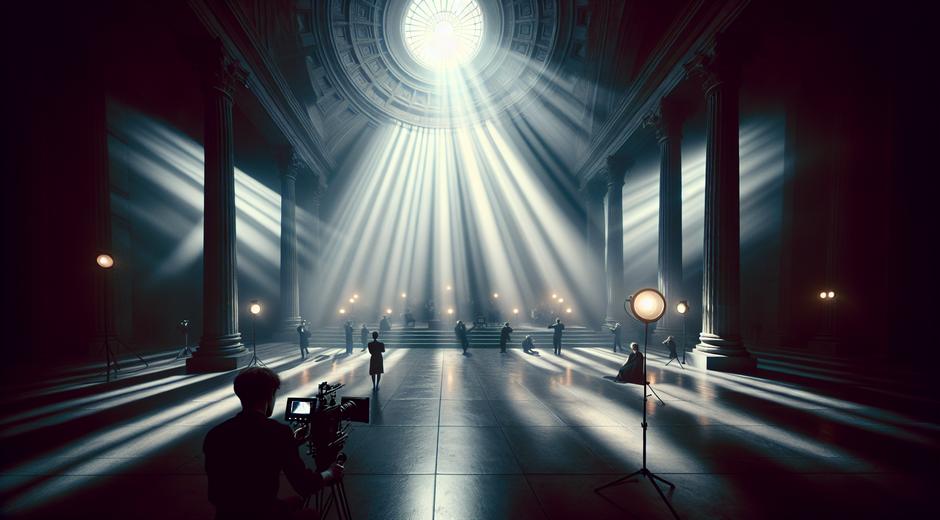
Lighting is a psychological instrument. Harsh high contrast light can expose flaws and increase discomfort. Underexposed scenes with selective pools of light can create menace and mystery. Color grading sets mood with subtle shifts in temperature and saturation. Cool tones can evoke coldness and detachment while warm tones suggest intimacy and heat. Filmmakers use these options to heighten emotional clarity so the audience immediately understands the intended intensity.
Sound Design and Musical Score
Sound amplifies intensity in ways that sight alone cannot. A soundtrack builds momentum a sudden silence focuses attention and layered ambient textures create unease. Sound design can place viewers inside a character’s perception making small noises thunderous or muffling the world to reflect inner disorientation. A score can underline emotion with motifs that swell at key moments. Well timed audio shifts often create the most memorable leaps in cinematic intensity.
Editing Rhythm and Pacing
Editing determines the temporal shape of intensity. Fast cutting increases pulse quickens breath and conveys chaos. Long unbroken takes draw out suspense and demand sustained attention. The rhythm of a sequence can mimic physiological responses. By controlling tempo editors help the audience move from calm to tension and then to release. Smart editing keeps intensity from feeling manufactured and ensures the audience stays invested.
Performance and Directorial Choices
Actors bring the raw human material that intensity requires. Subtle micro expressions can carry as much weight as large gestures. Directors guide these performances in service of a coherent emotional arc. Choices about blocking eye contact and silence matter as much as dialogue. Intense scenes often ask performers to inhabit extreme stakes so that every movement and glance communicates urgency.
Genre Variations of Cinematic Intensity
Cinematic intensity appears differently across genres. In thrillers it may rely on mounting threat and sudden reversal. In drama it often emerges from long simmering conflicts and complex character psychology. In horror intensity is frequently tied to fear and surprise. Even comedies can reach intensity through escalating absurdity or a charged emotional reveal. Understanding how intensity functions in a given genre helps creators refine techniques that feel authentic to the story.
Why Cinematic Intensity Matters to Viewers
Intensity is essential because it transforms passive viewing into active experience. When filmmakers succeed the viewer is not merely informed about events they undergo them emotionally. This creates stronger memory and deeper engagement. Intense cinema can provoke thought spark conversation and influence mood long beyond the running time. For streaming platforms and theatrical releases alike intensity helps a title stand out in a crowded landscape.
How to Analyze Cinematic Intensity
To study intensity watch a scene multiple times with a focused lens. First observe visual composition and camera movement. Then listen with attention to sound and score. Next track edits and pacing and finally study the performances. Note how these elements align and where they diverge. Ask what the scene is trying to make you feel and which techniques are used to achieve that effect. This method helps both critics and creators learn which strategies work and why.
Creating Cinematic Intensity on a Budget
Intensity is not solely a function of budget. Small scale projects can be highly intense with careful choices. Close camera work knowledgeable use of practical light and silence combined with committed acting often outperforms expensive spectacle that lacks focus. Resourceful filmmakers prioritize emotional clarity and craft scenes that force the audience to invest attention. Even simple objects can become powerful focal points when combined with precise editing and sound.
Practical Tips for Filmmakers
Begin with a clear emotional goal for each scene. Decide what you want the audience to feel and then select one or two techniques that will most directly generate that feeling. Avoid cluttering a scene with competing stimuli. Embrace silence as a tool. Test different camera angles to find the one that maximizes tension. Use music sparingly and consider the effect of negative space in sound. When possible rehearse with actors to discover small truthful moments that software cannot create.
How Audiences Can Seek Films with Intensity
If you enjoy films that build emotional pressure and leave a lasting impression seek titles known for strong directorial control and rigorous craft. Read reviews that analyze performance technique and soundtrack design. Curated platforms and specialist sites often highlight films that prioritize mood and intensity. For a curated collection of insightful film commentary and recommendations consider visiting Fixolix.com which features articles and resources that help viewers deepen their appreciation of cinematic craft.
Conclusion
Cinematic intensity is the outcome of deliberate craft. It is the alignment of visuals sound performance and rhythm toward a single emotional aim. Whether you are a filmmaker aiming to heighten the stakes of a scene or a viewer searching for cinema that moves you deeply understanding intensity will sharpen your taste and your work. Study scenes with attention to detail practice economical choices in production and never underestimate the power of silence and restraint. In that discipline cinema finds its sharpest edge and its most enduring moments.