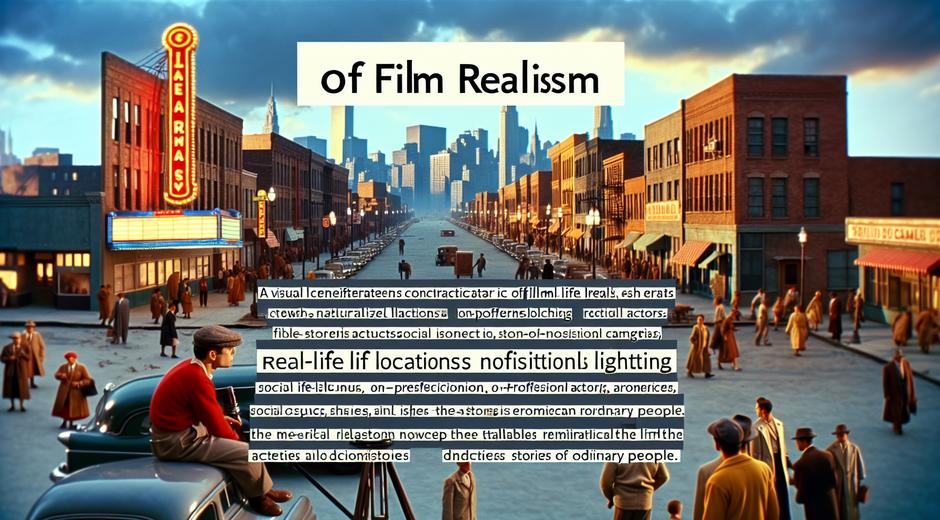


Film Realism A Deep Dive Into Authenticity On Screen
Film Realism is a key concept for filmmakers critics and audiences who seek a truthful representation of life in cinema. Whether you are a casual movie fan or a film student hoping to sharpen your critical eye understanding Film Realism can transform how you watch and how you evaluate storytelling choices. This article explores definitions history techniques and practical ways to spot realism in films while offering resources and examples for further study. If you enjoy cinematic analysis and want to explore more curated content visit moviefil.com for a wide range of movie articles and guides.
What Is Film Realism
Film Realism refers to practices in cinema that aim to represent life and human experience in a way that feels genuine believable and free from excessive artifice. Realism is not a single technique. It is a spectrum of approaches that include natural acting lighting and set design along with narrative choices that avoid melodrama and improbable coincidences. Realist films tend to prioritize character psychology subtlety and social context. The goal is to create an immersive world where viewers accept events as plausible within the created reality.
Historical Roots Of Film Realism
The roots of Film Realism run deep into early cinema and the traditions of theater and literature that prized observation of everyday life. In the early twentieth century filmmakers experimented with location shooting and documentary methods to break away from the artificiality of studio bound melodrama. Movements such as Italian neorealism and the British kitchen sink school pushed realism forward by focusing on working class life non professional actors and minimalist plots. Over time realism has evolved but the core ambition remains the same to convey truth without theatrical excess.
Key Techniques That Create Realism
Realist films use a set of craft choices that together create a sense of authenticity. Below are the most common techniques you will encounter when studying Film Realism.
Naturalistic Acting Use of subtle restrained performances often from actors selected for their resemblance to real people rather than for star presence. Improvised dialogue or loosely scripted lines can increase spontaneity.
Location Shooting Shooting on real streets in real interiors gives films a texture that studio sets often cannot match. Natural sounds and ambient light contribute to immersion.
Minimalist Production Design Sets and props mimic ordinary life without stylized embellishment. Costumes feel lived in and details are consistent with character backstory.
Long Takes And Static Framing Extended shots with minimal cutting let audiences observe behavior and environment which creates trust in the scene as a genuine moment.
Documentary Techniques Handheld cameras direct sound and use of non actors blur the line between fiction and non fiction making scenes feel like real life observation.
Why Film Realism Matters For Audiences
Realism matters because it fosters empathy and engagement. When stories feel real viewers are more likely to care about outcomes and connect emotionally with characters. Realist cinema can also shine light on social issues by showing everyday conditions without sensationalism. For critics realism becomes a tool to evaluate whether a film offers insight into characters and society rather than relying on spectacle. For creators realism provides a framework to tell subtle complex stories that resonate over time.
How To Evaluate Realism In A Film
Evaluating Film Realism requires attention to both craft and context. Ask questions such as are the characters complex and internally consistent Do actions follow logically from earlier choices Does the film respect the rules of its own world Does the production design support a lived in environment Are performances grounded and specific By answering these items you can form a clear view of how realistically a film portrays its subject.
Context is also crucial. A film that blends magical elements with everyday life may remain realistic within its own logic. The term realism does not always mean literalism. It can mean truthful representation of emotion social dynamics or cultural detail. A historical drama for example can be high on realism if it captures the texture of the era even when certain events are compressed for narrative reasons.
Examples Of Film Realism In Modern Cinema
Contemporary cinema offers many examples of Film Realism across genres. Directors who favor realism often focus on character driven plots and restrained visual style. Independent cinema frequently embraces realism to tell intimate stories that larger commercial films might avoid. International film scenes have also produced standout realist works that combine local social concerns with universal human themes.
When you study films for realism pay attention to scene endings how conflicts are resolved and whether consequences feel earned. Realist films often avoid tidy closure reflecting the messiness of life. That narrative choice can be powerful when it aligns with authentic character behavior and social detail.
Realism Versus Other Aesthetic Choices
Film Realism is one aesthetic among many. Other films choose heightened stylization fantasy or formal experimentation to communicate truth in a different manner. The contrast is valuable. By comparing realist films with stylized films you can learn more about how filmmakers use form to shape audience perception. Realism is not morally superior. It is a method suited to stories that benefit from subtlety observation and social verisimilitude. Audiences can prefer realism for its intimacy and relatability or prefer stylized cinema for its capacity to transcend ordinary life.
Practical Tips For Filmmakers Seeking Realism
Filmmakers who want to increase realism should start with research. Observation of the real world details matters. Use location scouts to find spaces that reflect character background. Cast carefully and rehearse scenes to allow actors to inhabit small physical gestures that reveal inner life. Consider sound design as a layer of realism often neglected ambient noises footsteps and distant traffic ground scenes. Finally be willing to remove dramatic elements that feel implausible even if they seem exciting on paper. Realism rewards restraint.
How Audiences Can Appreciate Realism More
Audiences can deepen their appreciation by learning terminology and by practicing active viewing. Note small choices like how a character moves a cup or pauses before speaking. Discuss films with others and compare how different viewers interpret subtle scenes. Reading essays and interviews with filmmakers expands understanding of why certain choices were made. Fans who wish to read more film theory and reviews can explore curated platforms that focus on cinematic craft and cultural context like Politicxy.com which hosts essays and commentary that often intersect with cinema and society.
Conclusion Film Realism As A Lens For Understanding Cinema
Film Realism is a powerful lens for exploring how movies depict life. It champions truthful observation subtle performance and careful attention to context. Whether you are making films or simply watching them with greater care embracing realism can enrich your experience and sharpen your critical skills. Realism invites us to look closely at the everyday choices that reveal character and to appreciate narrative subtlety instead of spectacle. Use the ideas in this guide to identify realist choices in your favorite films and to seek out new works that value authenticity of feeling and detail.