

Camera Perspective: Mastering Point of View in Film
What is Camera Perspective
Camera Perspective is the visual point of view a film uses to show action emotion and space. It shapes what the audience sees and how they feel about characters and events. In cinematography Camera Perspective includes lens choice camera placement camera height and camera movement. Each choice changes scale depth and emotional weight. A deep understanding of Camera Perspective helps filmmakers craft clearer narratives and stronger emotional impact.
Why Camera Perspective Matters
Storytelling in film is visual first and narrative second. The way a scene is filmed can reveal backstory signal power dynamics or create tension without a single line of dialogue. For example a low camera that looks up at a character can create a sense of dominance while a high camera looking down can create vulnerability. Using Camera Perspective deliberately lets directors guide audience attention and shape interpretation of the story. This is essential for all movie categories from drama to action to documentary.
Core Components of Camera Perspective
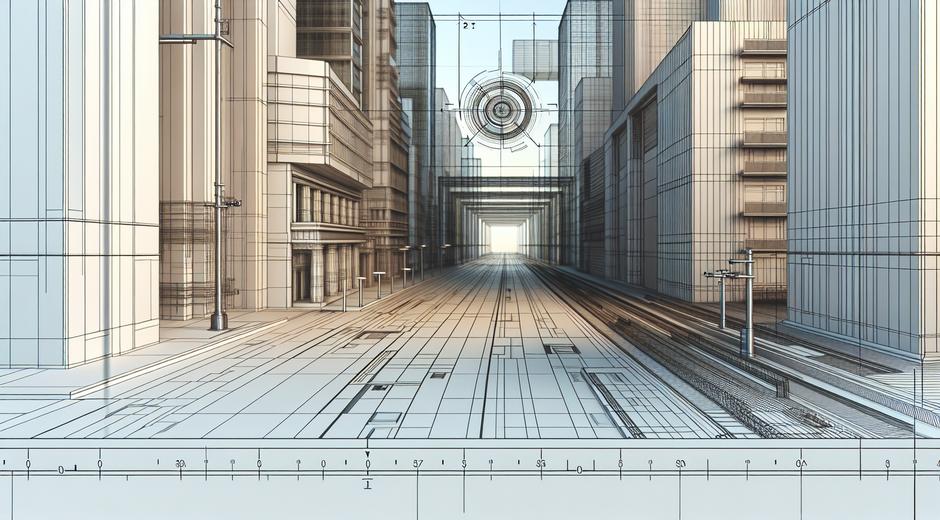
There are several core components that define Camera Perspective. Lens focal length affects how compressed or stretched space appears. Wide lenses exaggerate distance and can create immersive close up perspectives while long lenses compress depth and can isolate subjects. Camera placement determines axis and distance from the subject. Camera height influences the perceived power relation between characters. Movement such as dolly shots pans and handheld work to follow attention and create rhythm. Finally framing and composition control what is included or excluded from the frame and thus shape narrative focus.
Common Types of Camera Perspective
Understanding common types helps when planning scenes. Point of view perspective places the camera where a character might be and can create empathy. Over the shoulder perspective keeps focus on interaction between characters. Objective perspective observes action from a neutral position and often gives broad context. Subjective perspective distorts reality to reflect a character emotion or a psychological state. Each approach can be used alone or combined for greater storytelling nuance.
Techniques to Control Camera Perspective
Control comes from technical choices and creative intent. Selecting a lens is a foundational decision. A 24 millimeter lens yields a very different Camera Perspective than a 85 millimeter lens. Camera rig choice affects movement and stability. A dolly can produce smooth forward motion to reveal information while handheld adds raw immediacy. Framing choices such as rule of thirds or centered composition alter tension and visual balance. Use depth of field to isolate a subject by keeping background out of focus or to keep everything in focus for documentary clarity.
Lighting and Color as Perspective Tools
Lighting and color are extensions of Camera Perspective. Directional light can sculpt a face and emphasize texture. Low key light creates mystery and high key light can feel open and safe. Color grading after the shoot reinforces the perspective you want the audience to experience. Cooler tones can feel detached and colder while warmer tones feel intimate. When lighting and color align with camera choices the resulting perspective becomes immersive and consistent.
Using Camera Perspective for Different Movie Categories
Every movie category benefits from targeted Camera Perspective strategies. In action films close up handheld perspectives create urgency and intimacy during combat. In horror films tight framing and low angle perspectives can amplify fear. In romance films soft lenses and gentle camera moves enhance intimacy. Documentaries use objective Camera Perspective to let viewers form their own conclusions but can also use selective framing to guide perception. Detective or thriller movies rely on revealing and withholding information through perspective control to build suspense.
Practical Tips for Directors and Cinematographers
Plan Camera Perspective early in the visual design stage. Storyboard key scenes with an eye to lens choice and camera placement. Collaborate with production design and lighting to ensure the environment supports the intended perspective. Test critical shots with camera tests or rehearsals to see how depth of field and movement affect performance. Keep continuity in mind so perspective stays consistent across cuts and locations. For additional general film resources visit moviefil.com where you will find guides and case studies on filmmaking craft.
When Camera Perspective Becomes Story
Sometimes Camera Perspective does more than present action. It can become a narrative device. For example a film that slowly shifts from objective perspective to a more subjective point of view can hint at a character losing grip on reality. A sudden switch to very tight framing can signal an intense inner moment. Directors who master this tool use Camera Perspective as a way to reveal inner truth without explicit dialogue. This is powerful in films that value show rather than tell.
Common Mistakes to Avoid
There are pitfalls that can weaken Camera Perspective. Overuse of extreme lenses without purpose can distract. Inconsistent perspective choices within a scene can confuse the audience. Relying on movement for its own sake rather than to serve story often feels gratuitous. Also neglecting sound and performance when crafting perspective reduces its effect. The best work integrates Camera Perspective with acting lighting set design and sound so every element points to the same emotional truth.
Tools and Gear That Support Perspective Choices
Choice of camera lenses gimbal stabilized rigs and dollies all expand creative options. For car scenes and moving vehicle sequences specialized mounting systems and integrated rigs can maintain a stable perspective while allowing dynamic motion. For those seeking practical gear solutions and advice on camera installation in automotive contexts check this resource AutoShiftWise.com which offers guides that can help filmmakers plan vehicle based shots safely and effectively. Remember that the best gear supports your creative intent rather than defining it.
Measuring Success of Camera Perspective
Evaluate perspective by audience reaction and by how well the visual choices support story objectives. Screen test with small groups and observe where attention lands and how emotion is shaped. Use metrics such as engagement and retention when the film is distributed digitally. Critique scenes for clarity and emotional impact. If the audience is confused about who has agency or misses the intended emotional beats the Camera Perspective may need revision.
Final Thoughts
Camera Perspective is a core element of cinematic language. It controls not only what we see but how we feel. Mastery of this tool requires both technical skill and narrative sensitivity. Plan perspective early align it with performance and design and test your choices in rehearsal. Whether you are crafting a short film a feature or a documentary a refined Camera Perspective will elevate your storytelling and leave a lasting impression. For ongoing insights on filmmaking craft and production visit our site and explore more expert articles to expand your skill set.