

Film Lighting: The Art and Science of Cinematic Illumination
Why Film Lighting Matters
Film Lighting shapes how an audience sees a story. Great lighting can turn a simple moment into a memorable frame. It defines mood, reveals character, directs attention and creates depth. For filmmakers, cinematographers and lighting designers the craft of Film Lighting is a central skill that blends creative intent with technical know how. When you plan a scene the choices you make about light affect everything from emotion to narrative clarity.
Core Principles of Film Lighting
At its heart Film Lighting rests on a few core principles. Contrast controls how dramatic an image feels. Softness determines how smooth or textured faces appear. Color temperature sets emotional tone and lets you separate foreground from background. Direction shows form and sculpt faces. By mastering these elements you can create visual motifs that support story arcs and character journeys.
Key Types of Film Lighting
There are several common categories of light that filmmakers use as building blocks. Key light is the dominant source that sculpts the subject. Fill light softens shadows made by the key light. Back light separates subject from background and can add a rim of glow. Practical lights are visible within the frame such as lamps and signs that add realism. Ambient light provides general illumination and often sets the base exposure for a scene. Combining these elements yields classic looks such as naturalistic daylight or stylized night scenes.
Classic Setups and Techniques
One of the most taught approaches is three point lighting. This simple setup uses key fill and back light in calibrated ratios to create a pleasing look. High key lighting lifts contrast and yields cheerful images while low key lighting increases contrast for tension and mystery. Rembrandt lighting uses a triangular patch of light on one cheek to add drama. Practical motivated lighting ties your light sources to items in the scene so visuals feel grounded and honest. Moving light sources between takes can alter emotion and pacing in subtle ways.
Tools and Gear for Film Lighting
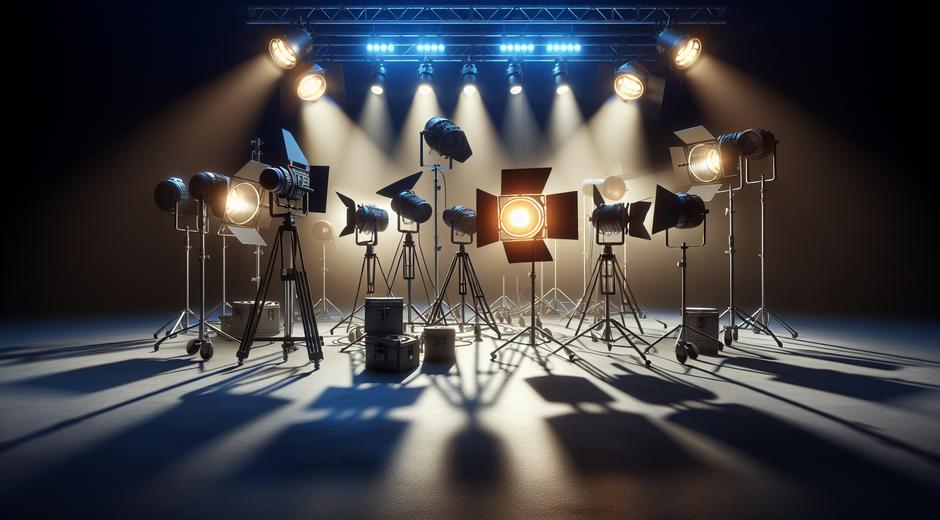
Choosing the right gear makes the creative vision easier to achieve. Fresnel fixtures give you hard defined light with control. Soft boxes and diffusion panels produce soft falling light ideal for closeups. LED panels are energy wise and versatile with adjustable color temperature. Flags and cutters shape light while reflectors bounce light into shadow areas. Grids control spill for precise isolation. For many independent teams LED panels provide a balance of power weight and control that suits location work well.
For film makers who want a hub of high value resources about tools techniques and trends you can find practical articles and guides at StyleRadarPoint.com which often covers visual craft and gear in ways that are easy to use on set.
Color and Mood
Color plays a huge role in Film Lighting. Warm tones can feel intimate comforting or nostalgic. Cool tones read as detached clinical or modern. Balancing color temperature across light sources prevents jarring mismatches and helps your color grading stage later. Techniques like geling add color quickly and are often used to match practical lights to the scene or to create a subtle color cast that supports the story theme.
Lighting for Camera and Exposure
Understanding how light interacts with your camera is a technical requirement. Aperture shutter speed and ISO all determine exposure and how motion and depth of field appear. When you light you have to think about the camera lens and sensor characteristics. Older film stocks respond differently to highlights than modern digital sensors. Highlight roll off and shadow detail can influence how much light you allow into the scene. Metering key points and monitoring white balance on set keep continuity between takes.
Practical Tips for On Set
Start with a lighting plan that maps motivation and contrast for each scene. Block with your actors then add the key light so movement does not break the look. Use small portable lights to sculpt faces on close shots. Always test camera exposure before final takes and record settings for continuity. Keep a log of lamp types gels and power levels so you can replicate looks across locations. For night exteriors bring enough battery power and take care of safety when rigging lights in public areas.
Lighting for Different Genres
Different film genres demand different approaches to Film Lighting. Comedies usually favor brighter more even lighting to keep tones light and expressions visible. Dramas lean into selective contrast and motivated practicals to add realism. Horror often uses low key light and narrow beams to hide and reveal threats. Science fiction may embrace colored fills and strong rim lights to create otherworldly textures. Knowing genre conventions helps you make intentional choices that support audience expectations while allowing room for inventive surprises.
Working with Natural Light
Natural light can be the best resource when used knowingly. Golden hour yields warm soft light that is forgiving on skin. Overcast skies act as a vast soft box ideal for wide shots and interviews. Use reflectors and diffusers to shape available light and maintain control. When shooting outdoors plan for shifting light and have a contingency in case of sudden changes. Natural light requires adaptation but often produces a believable and beautiful look that is hard to mimic artificially.
Collaborating with the Crew
Film Lighting is a collaborative craft. The director cinematographer gaffer and grip all contribute to the final outcome. Clear communication about mood reference frames and shot priority speeds up setup and reduces wasted time. A photographer or lighting tester can help dial in exposure and color quickly. Encourage rehearsals with lighting on so actors can find marks without feeling the glare of a key light. Respect safety protocols for rigging cables stands and power distribution.
Learning and Experimentation
Practicing lighting in short exercises is one of the fastest ways to improve. Try recreating looks from films frame by frame to learn how contrast and color were achieved. Test how the same setup reads through different lenses and cameras. Keep a notebook of setups with diagrams and settings so you can revisit successful looks. Online communities classes and gear reviews provide ideas but nothing replaces hands on practice with varied subjects and spaces.
Conclusion and Resources
Mastering Film Lighting is a journey that blends artistry with technique. Focus on core principles learn to shape light and color think about camera response and collaborate with your team. Over time you will build a visual language that enhances the stories you tell. For a growing archive of articles and tools that cover lighting and other film crafts visit moviefil.com to explore guides reviews and tutorials curated for film makers of all levels.