
Film Language Theory
Film Language Theory is the study of how film communicates meaning through a system of signs and codes. Just as a spoken language uses grammar and vocabulary to create meaning, film uses shots sound editing color composition and performance to shape what viewers understand and feel. For readers and creators who want to deepen their sense of cinematic craft the concept of film language is a map. It helps us move from intuition to deliberate choice. For a wide range of film resources you can visit moviefil.com and find essays guides and examples that bring these ideas to life.
What Film Language Theory Means
At its core Film Language Theory treats cinema as a system of signs that can be read and analyzed. The theory combines elements from semiotics narrative theory and media studies to explain how images and sounds produce meaning. A film does not simply show events. It frames them. It orders them. It selects what to reveal and when to reveal it. Each selection becomes a sign that points to an idea mood or theme.
Understanding these signs gives viewers better critical tools and gives makers better control over how audiences will interpret their work. Film Language Theory explores recurring patterns and conventions that shape cinematic sense making. It also studies how filmmakers play with these rules to surprise mislead or enlighten an audience.
Core Elements of Film Language
Film Language Theory groups filmic techniques into categories that function like grammar parts. The main elements include mise en scene cinematography editing sound and performance. Each element carries meaning on multiple levels and interacts with the others to produce complex effects.
Mise en scene covers what appears in the frame. It includes set design props costume lighting and actor placement. It is the literal composition that speaks about character social context and subtext. A cluttered room can signal chaos. A single empty chair can communicate absence.
Cinematography describes how the camera sees the world. Choices about lens camera angle camera movement focus and distance affect perception. A low camera angle can create power. A shallow depth of field directs attention to a face. A long take can create immersion. Cinematography is the eye of the film language.
Editing acts like syntax. It orders shots to build continuity or to create contrast. Montage can compress time or generate ideological meaning. Continuity editing keeps space and time coherent for the viewer. Rhythmic editing controls pace energy and emotion. Editing is the grammar that links visual and auditory units into statements and questions.
Sound operates through dialogue music and effects. Sound can be synchronous or asynchronous with the image. Voiceover can guide interpretation. A piece of music can shift mood from playful to ominous. Silence can be as expressive as noise. Sound often tells viewers what to feel when images remain ambiguous.
Performance brings human life into the system. Small facial gestures posture and vocal tone carry narrative weight. Choices made by actors become key signs that influence audience empathy and judgment.
Codes and Conventions
Film Language Theory distinguishes between codes and conventions. Codes are systems of signification such as camera codes or lighting codes. Conventions are recurring practices that audiences learn to expect within a genre or style. For example in detective films certain clues and narrative beats become conventional. When a filmmaker subverts that convention they create surprise or commentary.
Genres supply a cluster of conventions. A comedy tends to have a lighter tone comedic timing and particular patterns of conflict and resolution. A horror film often uses low key lighting sudden sound cues and tight framing to produce fear. Knowing genre conventions helps both critics and creators to interpret and manipulate audience expectation.
Semiotics and Iconography
Semiotics gives film language a theoretical backbone. It analyzes signifiers and signifieds. A signifier can be an object or a shot. The signified is what that signifier evokes in the spectator. For example the recurring image of a closed door may signify secrecy or separation depending on context. Repeated images can gain symbolic status and become part of a film s iconography.
Iconography is useful for tracing themes across a director s work or within a genre. A filmmaker who returns to motifs of water or mirrors is building a visual vocabulary that invites interpretation. Film Language Theory teaches us to see those motifs not as accidents but as deliberate components of meaning.
Narrative Structure and Temporal Design
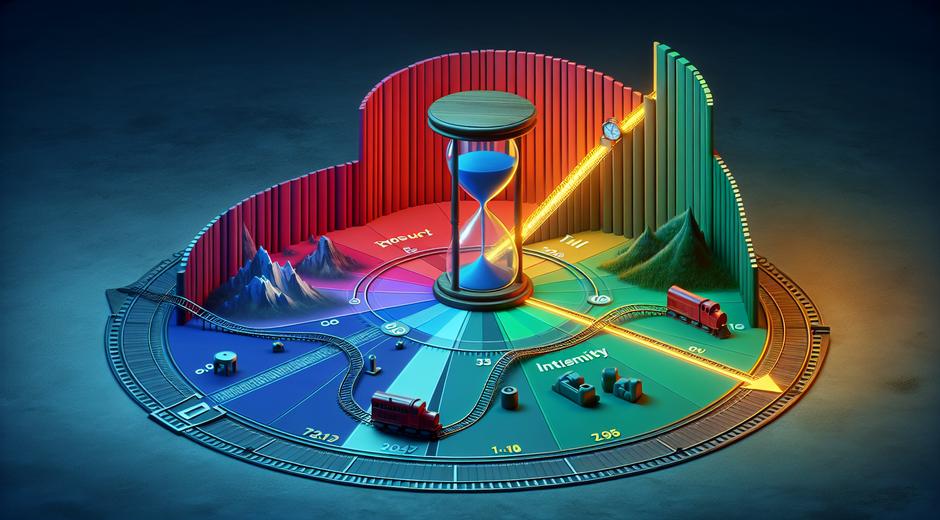
Beyond individual signs film language encompasses narrative logic. How a story is structured in time affects how the audience experiences cause and effect. Classical Hollywood cinema tends to privilege linear chronology and clear causal chains. Alternative narrative strategies like elliptical editing or fragmented chronology invite the viewer to actively piece the story together.
Time can be manipulated through devices such as flashback flash forward montage and parallel editing. Each device changes the emotional and cognitive load on the viewer. Film Language Theory examines the effect of these devices on pacing suspense and engagement.
Color Light and Visual Tone
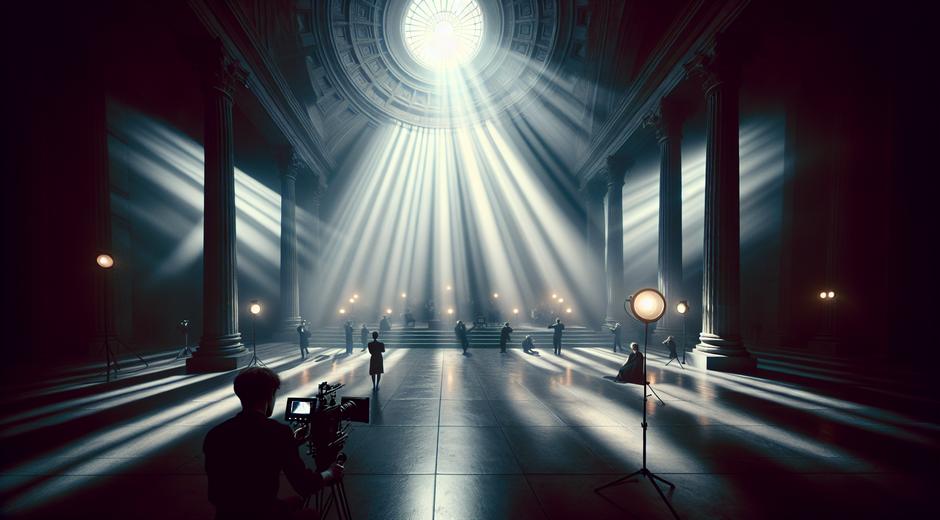
Color and lighting are powerful signifiers. Warm tones can suggest intimacy or nostalgia. Cool tones can imply distance or alienation. High key lighting conveys openness and optimism. Low key lighting creates mystery and threat. The subtle combination of color palettes lighting and exposure sets the visual tone of a film and primes audience emotion.
Color grading in post production is part of the language as well. A desaturated palette may signal realism or bleakness. A saturated palette can feel heightened stylized or even surreal. When color recurs it can become a leitmotif that ties scenes together and creates emotional continuity.
Audience Reception and Ideology
Film Language Theory is not neutral. It considers how language forms shape social ideas identities and power relations. Films encode social values in the way they represent groups construct protagonists and distribute sympathy. Audience reception studies show that different social groups interpret the same film in different ways. This is why reading film language requires attention to context audience position and historical moment.
Filmmakers who study film language gain the power to craft messages consciously. Critics who know the language can expose assumptions and reveal hidden meanings. Educators can teach viewers to watch more actively and to resist passive consumption.
Practical Applications for Creators and Critics
For filmmakers Film Language Theory is a toolbox. Choosing a lens or deciding when to cut are not merely technical choices. They are narrative choices. Thinking in film language encourages experimentation. A director can use a static wide shot to create distance or a tight close up to increase intimacy. Editors can choose to compress time for economy or to stretch moments for intensity.
For critics and scholars film language offers methods for analysis. A close reading of mise en scene or a sequence level study of editing can reveal how meaning is constructed. Teaching students to identify signifiers and interpret signifieds builds critical media literacy.
Cross Media Influence and Interactive Story Worlds
Film Language Theory also applies beyond cinema. Streaming series interactive play and virtual reality borrow cinematic codes and adapt them to new forms. Game design in particular borrows visual framing sound design and pacing from cinema to guide player emotion. For coverage of how cinematic technique translates into interactive media see GamingNewsHead.com which often highlights how narrative and audiovisual design work together in digital entertainment.
Conclusion
Film Language Theory is both a descriptive and a prescriptive field. It describes the systems that make cinematic meaning possible. It also gives creators the language to design films that communicate clearly and powerfully. Whether you are studying films for pleasure preparing a critique or making your own work a grounded understanding of film language will improve your sensitivity to detail and your control of narrative effect. The more you learn to read and to write with this language the more deliberate your viewing and your making will become.
By treating images and sounds as parts of a structured language we can both enjoy films more deeply and bring more depth to our own cinematic efforts. Study the elements practice the techniques and always ask why a choice was made. That question is the heart of Film Language Theory and the key to becoming a more thoughtful viewer and a more effective creator.