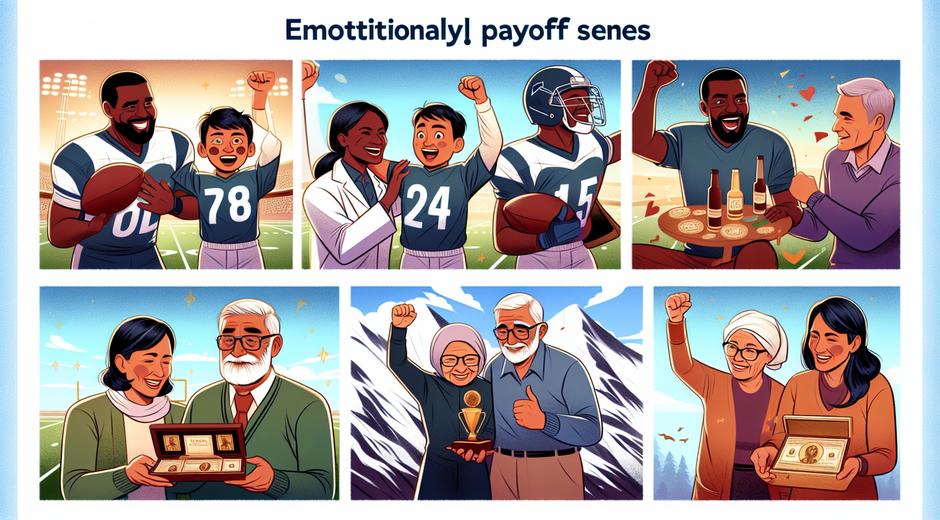


Emotional Payoff Scenes That Make Movies Unforgettable
Why Emotional Payoff Scenes Matter
Emotional payoff scenes are the moments in a film when months of story work finally connect with the audience on a visceral level. These scenes do more than resolve plot points. They confirm the meaning of the journey viewers have been invited to take. A well crafted emotional payoff scene can turn a competent film into a beloved classic. For websites that celebrate cinema, analyzing these moments is essential to helping readers understand why they care so deeply about certain characters and outcomes.
Core Elements of an Emotional Payoff Scene
To recognize an emotional payoff scene, look for clear signs that the scene rewards prior investment in character goals and relationships. That reward can be cathartic relief fear relinquished or a joyful recognition of growth. Key elements include a strong setup that makes the stakes feel real believable character choices that reflect the arc and a sensory design that intensifies the feeling without overpowering it. Music lighting and camera movement play supportive roles while performance and dialogue carry the weight of truth.
How Filmmakers Build Toward Emotional Payoff Scenes
Filmmakers plan emotional payoff scenes from the earliest drafts of a screenplay. The scene works best when every earlier beat prepares the viewer for its arrival. Setup must be precise. When a small moment early in the story is echoed later the payoff multiplies. Character choices must be earned rather than imposed. Pacing is crucial. If audience attention is not managed properly the final moment can feel rushed or unearned. Skilled directors create a rhythm of tension and release that guides viewers to a meaningful release at the right moment.
Performance and Dialogue in Emotional Payoff Scenes
Actors and writers share responsibility for a scene that truly pays off. Actors must find the truth inside the lines so that every glance and breath implies a history. When actors make discoveries in the moment the audience feels included in that discovery. Dialogue that is sparse and specific often succeeds better than monologues that explain everything. Subtext is the invisible engine of many effective emotional payoff scenes. The words on the page matter less than what they imply about what a character has given up or gained.
Editing Sound and Music
Editing controls time and emphasis. A decisive cut can amplify an emotional beat by asking the viewer to linger in a reaction shot. Conversely a series of quick cuts can heighten panic or urgency before the payoff arrives. Sound design and score shape the emotional temperature. A single sustained note or the return of a theme can trigger recognition and memory. Silence can be just as powerful when it allows viewers to process a shift in a relationship or a final act of courage.
Visual Language and Cinematography
Composition and camera movement communicate private states without words. A wide frame that pulls back during a final reveal can create a sense of release and context. A tight close up that allows an actor to hold an unspoken thought invites intimacy. Lighting shifts help define new emotional realities. A scene that started in shadow that moves into warm light can symbolize healing or acceptance. The most effective emotional payoff scenes use visual choices that echo earlier motifs so that the moment feels inevitable rather than convenient.
Types of Emotional Payoff Scenes
Not all emotional payoff scenes are the same. Some deliver catharsis after a long arc of suffering. Others deliver redemption when a flawed character finally chooses better. Reunion scenes sell relief and reconnection. Quiet domestic moments can deliver profound emotional payoff by honoring small acts that have real meaning for the characters. Climactic confrontations can offer catharsis by exposing truth and allowing change to happen. Understanding the type helps creators pick the right tools to amplify the moment.
Examples from Iconic Films
Studying great emotional payoff scenes reveals patterns and lessons that can be applied to other projects. Consider films that use silence to highlight a changed relationship or that use a motif to tie a final moment back to an early promise. Some sequences rely on a single gesture to carry the entire scene. Objects can carry emotional weight as well. When a prop returns at the moment of resolution it can act as a shorthand for a character journey. For readers who love to explore the details behind such devices sites like AutoShiftWise.com show how everyday objects and machines sometimes become central emotional anchors in visual storytelling.
Audience Response and the Psychology of Payoff
Emotional payoff scenes succeed because they tap into predictable patterns of human psychology. We form attachments we anticipate outcomes and we experience relief when uncertainty ends. Filmmakers who respect how people process emotion avoid manipulative shortcuts. Instead they design scenes that feel earned with a balance of surprise and inevitability. When an emotional payoff scene lands it strengthens loyalty and increases word of mouth for a film because viewers want other people to share the experience they had.
Practical Tips for Writers and Filmmakers
If you are building emotional payoff scenes in your own work start by mapping the emotional through line of your main characters. Place small payoffs that reward attention along the way so that the final scene does not have to carry all the weight. Keep the language simple and specific. Trust actors to find the moment. Use music to underline but not to dictate emotion. Test scenes with fresh viewers to see whether the payoff feels earned or whether it needs more setup or trimming. A rigorous focus on cause and effect will keep the emotional stakes clear.
How to Find More Examples and Analysis
Film lovers who want to deepen their understanding of emotional payoff scenes should read scene by scene breakdowns and watch films with an ear for how earlier details are repaid later. For curated lists and analytical essays that highlight great moments and explain why they work visit moviefil.com where you will find guides and examples across genres to study and enjoy. Regular practice at identifying the setup the choice and the payoff will sharpen your ability to appreciate and create emotionally effective storytelling.
Conclusion
Emotional payoff scenes are the currency of cinematic meaning. They justify the time viewers give a story and they create memories that last long after the credits roll. By understanding the mechanics of setup performance camera work editing and sound creators and critics alike can better appreciate how these moments are built. Whether you are a filmmaker a writer or a devoted movie fan paying attention to emotional payoff scenes will enrich your viewing experience and deepen your love for the craft of cinema.