

Film Aesthetics
What Film Aesthetics Means Today
Film Aesthetics is a term that covers the visual and auditory strategies filmmakers use to create meaning emotion and style. It goes beyond story and character to examine how choices in lighting color composition camera movement sound and editing shape the viewer experience. For anyone who loves cinema or who creates films understanding Film Aesthetics unlocks a deeper appreciation of why a scene moves us or why a sequence feels truthful or stylized.
Film Aesthetics is both theoretical and practical. Theoretical discussion traces ideas about beauty form and taste in cinema. Practical study looks at the tools directors cinematographers editors and sound designers use to craft an effect. The best analysis connects the two by showing how technique supports theme mood and character.
Core Elements of Film Aesthetics
Understanding Film Aesthetics begins with a handful of central elements. These elements act like a palette that filmmakers mix in different amounts to produce distinct looks and tones.
Color and color palette create emotional cues and cultural signals. Warm palettes can suggest intimacy or nostalgia. Cool palettes can feel clinical or alien. Monochrome can emphasize contrast and texture.
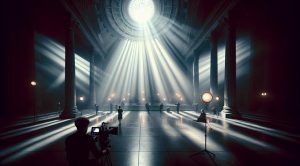
Lighting shapes perception of depth and texture. High key lighting creates a bright flat look. Low key lighting produces strong contrast and dramatic shadow. Direction and quality of light reveal or conceal details and hint at narrative weight.
Composition guides the eye. Framing where characters and objects sit within the frame creates relationships and subtext. Use of negative space can isolate a character. Symmetry can create calm or reveal ritual.
Camera movement and lens choice alter a scene rhythm and focus. A static wide frame invites contemplation. A handheld close shot can feel immediate and chaotic. A long take can build tension by removing the safety of cut points.
Editing links moments together to produce pace and meaning. Fast cutting produces energy. Long takes create immersion. Montage can compress time or build associative logic.
Sound design and music add emotional and narrative layers. Ambient tracks and diegetic sound ground realism. Score shapes emotion. Silence can act as a punctuation tool.
Historical Context and Influences
Film Aesthetics has evolved with technology theory and cultural shifts. Early cinema explored novel camera tricks and spectacle. The classic studio era favored continuity and clarity. After that modernist and avant garde movements pushed boundaries toward fragmentation abstraction and self reflexivity.
Various national cinemas and movements have left strong aesthetic signatures. French visual poetry focused on mood and rhythm. Italian realism emphasized texture and social detail. Japanese cinema favored compositional restraint and space. New waves worldwide introduced innovations in narrative form and performance style that reshaped what audiences expect.
Technology plays a major role in aesthetic options. The arrival of sound added texture but also constrained camera movement for a time. Color film opened expressive doors. Digital cameras and post production tools have democratized creative control and allowed new experiments in look and timing.
How to Analyze Film Aesthetics
A structured approach helps when analyzing the aesthetics of a film. Start with the frame then move outward.
Observe composition. Who is centered? What objects are framed and why? Note how the screen space is divided.
Note lighting choices. Is the scene evenly lit? Are there deliberate shadows? How does light model faces and surfaces?
Listen closely. What sounds are emphasized? How does the score interact with action? Is silence used as a device?
Follow camera movement. Does the camera follow a character or stay objective? Are movements motivated by performance or by stylistic intent?
Consider editing rhythm. How long are shots on average? Are cuts motivated by performance continuity or by visual juxtaposition?
Integrate these observations to ask what these choices do for story theme mood and character. Support any claim with specific moments or scenes. This method creates analysis that is persuasive and useful for both critique and teaching.
Case Studies and Examples
Looking at examples clarifies how Film Aesthetics functions. Consider a film that uses stark minimalism. In such a film sparse composition limited props and restrained lighting force viewers to attend to performance and subtext. Another film might use busy handheld camerawork and saturated color to create an immersive urban experience.
Study sequences rather than single frames when possible. A carefully edited montage can show how editing constructs time and memory. A long take can show how choreography of actor camera and sound together builds tension in real time.
Directors often have consistent aesthetic signatures. Studying a director across multiple films reveals recurring motifs. Cinematographers also imprint style with their approach to lens choice and lighting which ties into the overall aesthetic.
Applying Film Aesthetics to Your Work
For filmmakers and content creators aesthetics are not optional extras. Thoughtful aesthetic choices improve storytelling clarity and emotional impact.
Start by defining the emotional terrain of your story. What is the mood of the world? Use color lighting and camera motion to reflect that mood rather than working against it.
Create a shot list focused on composition and camera function. Know why each frame looks the way it does. This makes shooting faster and editing clearer.
Use test footage to experiment with light and color choices. Small tweaks to color grading or to the key light can dramatically alter how an actor reads on camera.
Sound design should be planned early. Recording ambient sound and designing a basic sound palette in advance can save time and increase cohesion during post production.
Lastly gather reference images and film clips to communicate aesthetic goals to your team. Shared visual reference ensures everyone moves toward the same stylistic objective.
Film Aesthetics for Critics and Educators
Critics use aesthetic analysis to place a film within history and culture and to evaluate how form supports content. Educators use aesthetic study to teach visual literacy which helps students decode media messages and make informed creative choices.
A simple classroom exercise is to take a scene and alter one variable, for example to change color grade while keeping all other elements constant. Students observe how that single change changes interpretation. This kind of exercise builds intuitive understanding of aesthetic leverage.
For critics online the ability to explain aesthetic choices in clear accessible language helps readers appreciate films beyond plot summaries. Offering scene level details and linking to further resources creates value for audiences who want to deepen their engagement.
Resources and Further Reading
To continue learning about Film Aesthetics explore curated resources that combine theory and practice. Film libraries and online collections provide access to classic cinema and contemporary work which together reveal ongoing aesthetic dialogues. For practitioners video essays and master classes provide behind the scenes insight into aesthetic decision making.
If you want a single destination to discover reviews tutorials and curated lists across genres visit moviefil.com for a wide range of articles and guides aimed at anyone who wants to study or make cinema with attention to visual and auditory craft. For sponsored content and promotional resources you can also find curated features at Moviefil.com which highlights collections and partner content designed to inspire practical learning and creative exploration.
Conclusion
Film Aesthetics is central to how cinema communicates. By attending to color lighting composition camera movement editing and sound creators and critics gain tools to shape and interpret meaning. Whether you are analyzing a classic work or planning your next project understanding aesthetic choices makes your work clearer and your viewing richer.
Study scenes watch with intent and practice communicating findings with clarity. Over time a language of Film Aesthetics becomes second nature and your ability to create or critique cinema improves. Keep exploring examples and experimenting practically and your sense of cinematic taste and craft will continue to grow.