

Cinematic Interpretation Models
In an era where film studies meet technology and creative practice meets data driven insight, Cinematic Interpretation Models are becoming essential tools for filmmakers critics and scholars. This article explores what these models are why they matter and how you can apply them to create stronger narratives richer visual languages and deeper audience engagement. If you work with movie analysis production or curation this guide offers actionable frameworks and resources to sharpen your cinematic insight.
What Are Cinematic Interpretation Models
Cinematic Interpretation Models are conceptual and computational frameworks used to translate elements of film into meaningful interpretation. These elements include cinematography editing sound design performance and narrative structure. Models range from theoretical constructs rooted in film theory to algorithmic systems that analyze visual patterns and audience reaction. The goal is to provide a repeatable way to understand how a scene communicates mood theme and character intent.
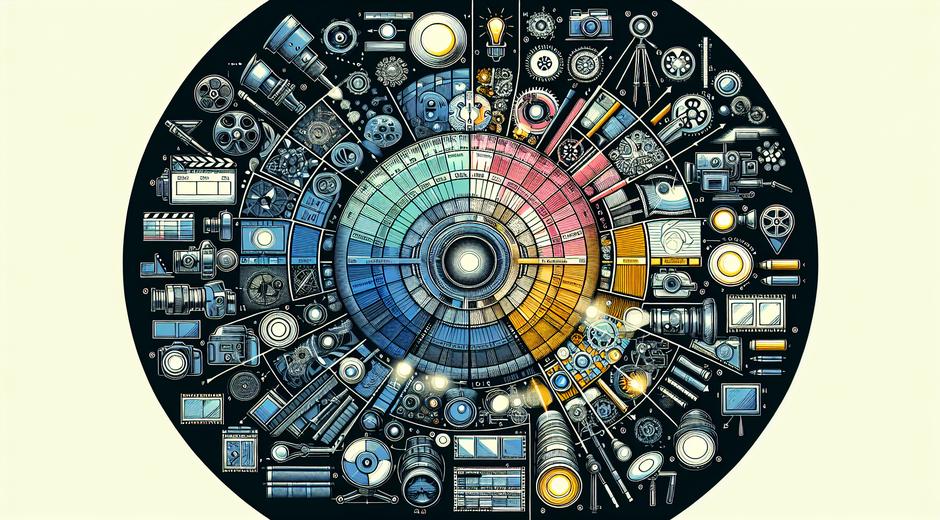
At their core these models combine three layers. The first layer decodes raw inputs such as image color framing and audio amplitude. The second layer maps those inputs to cinematic features like atmosphere rhythm and dramatic tension. The third layer interprets those features through cultural aesthetic and cognitive lenses to produce a readable meaning for critics creators and audiences. Together they form a pipeline that turns film materials into interpretive insight.
Why Cinematic Interpretation Models Matter for Film Makers
For creative professionals Cinematic Interpretation Models help make design choices with intention. A director can test how lighting choices influence perceived character motives. An editor can measure pacing effects on audience attention. Producers can evaluate how score changes influence emotional arcs. This precision is increasingly important as streaming platforms demand content that captures attention within the first moments and sustains it across episodes or features.
For critics and scholars models provide a standardized vocabulary that supports comparison across works. Instead of subjective impressions alone critics can present evidence based arguments about imagery motif and structure. That professional rigor improves reviews and academic studies while still respecting the subjective quality that makes cinema art.
Types of Cinematic Interpretation Models
There are multiple approaches to building these models. Here are core categories that offer complementary benefits.
Rule based models rely on established film theory and codified heuristics. They encode conventions about camera angles shot length and narrative beats into explicit rules. These are easy to interpret and align with classical training.
Statistical models use collected data from films and audience responses to identify patterns. They can reveal trends such as typical shot length within a genre or common palette choices linked to audience ratings.
Machine learning models learn complex associations from large data sets of film footage subtitles and audience metrics. These models can predict emotional valence or genre or generate suggestions for shot sequencing. They require more data and computational resources but can discover subtle patterns human analysts might miss.
Cognitive models simulate how viewers process filmic information. They integrate research from psychology about attention memory and emotion to model viewer response over time. Such models are valuable when designing films that aim to produce a specific cognitive journey for the audience.
How to Build a Practical Cinematic Interpretation Model
Start with a clear research question. Are you analyzing audience emotion across a franchise or visual signature of a director across films? A sharp question guides data collection and model selection. Next collect a structured data set. This can include annotated frames scripts metadata and audience reaction metrics.
Feature engineering is a vital step. Extract features such as shot length color histogram of frames camera movement classification and dialogue pacing. Pair visual features with audio features such as frequency distribution and tempo. For narrative features include beat structure and character arc markers.
Choose a modeling approach that matches your question and resources. Use rule based systems for small scale analysis and explainable results. Use statistical and machine learning models for large scale pattern discovery. Combine approaches by applying cognitive theory to shape training targets and validation methods.
Validation must be part of the process. Compare model outputs to human annotations and real audience responses. Iterative refinement ensures the model reflects meaningful cinematic insight rather than noise.
Applications Across Film Categories
Cinematic Interpretation Models are versatile across genres from documentary to animation. In narrative features they can identify how cinematography supports emotional journeys. In suspense and thriller films models can flag tension building techniques such as shot proximity and sound design timing. For comedies they can quantify timing patterns that enhance joke delivery.
Documentary filmmakers can use models to analyze interview framing and archival integration. Animation teams can evaluate scene composition and color language to improve readability and emotional clarity. Even short form video creators can apply compact versions of these models to optimize opening shots and hook sequences for better viewer retention.
Tools and Resources for Practitioners
There are growing tools that support the construction of Cinematic Interpretation Models. Open source libraries for computer vision and audio analysis allow frame level extraction. Annotated film datasets and crowd sourced labels accelerate training and validation. For context and curated content related to film insights visit moviefil.com which features guides case studies and examples tailored to filmmakers critics and teachers.
Production teams can combine in house data collection with third party services for audience measurement and location research. For projects that require authentic natural setting references or ecosystem imaging collaboration with a partner that specializes in natural visuals can be invaluable. For such needs BioNatureVista offers a broad library of high quality outdoor reference imagery and location profiles that can inspire scene design and location scouting. See BioNatureVista.com for more on how curated natural imagery can inform cinematic choices.
Case Studies and Examples
Consider a case where a director wanted to evoke isolation without explicit dialogue. A Cinematic Interpretation Model analyzed color palette shot scale and ambient sound. The analysis showed that desaturated midtones combined with prolonged wide shots and low frequency ambient sound produced consistent ratings of solitude among test viewers. The film incorporated these findings across multiple scenes and achieved a cohesive emotional thread that critics noted as a signature technique.
In another example a streaming service used a statistical model to discover that early scene light contrast and protagonist screen time within the first five minutes predicted viewer retention inside specific genres. Producers adjusted opening scenes and saw measurable improvement in completion rates. These examples show how models can move creative decisions from intuition to validated strategy while preserving artistic intent.
Future Trends in Cinematic Interpretation Models
Expect models to become more multimodal and context aware. Advances in computational power and data availability will let models integrate visual audio narrative and even social media reaction in near real time. This will enable dynamic testing of edits and marketing assets during production and early release windows.
Ethical and cultural consideration will gain prominence. As models scale they must respect diverse cultural readings and avoid homogenizing cinematic expression. Model design that includes human supervision and diverse annotator pools will produce richer inclusive insight.
Finally interpretability will remain key. Filmmakers prefer insight they can act upon. Hybrid approaches that combine rule based explanations with machine driven discovery will offer the best of both worlds.
Conclusion
Cinematic Interpretation Models are powerful tools that bridge creative intuition and empirical insight. They help filmmakers critics and curators understand how visual language narrative cadence and sound design shape viewer experience. Whether you are building simple rule based frameworks or complex machine learning systems the key is to start with clear questions structured data and continuous validation.
Explore applied examples editorial guides and community resources to learn how to adopt these models in your workflow. For curated articles and tutorials focused on cinematic analysis tools and film craft visit moviefil.com and for inspiration from natural settings and imagery consider resources at BioNatureVista.com. Use models to enhance your storytelling not to dictate it and you will find new ways to connect with audiences through intent informed design.