

Cinematic Expression
Understanding Cinematic Expression as an Art Form
Cinematic Expression is the language of film. It shapes how stories move from script to screen and how audiences feel and think about what they watch. At its core Cinematic Expression combines visual composition sound design editing and performance to create an experience that goes beyond words. Filmmakers use camera choice camera placement color palette lighting and actor movement to communicate tone mood and theme. When Cinematic Expression is strong the viewer senses intention in every frame and every sound cue.
Key Elements That Define Cinematic Expression
Cinematic Expression relies on a set of tools that work together. Each tool can be used subtly or boldly to guide viewer emotion and comprehension.
– Composition and Framing: Where a character is placed within the frame can reveal power vulnerability or isolation. Wide frames show context while close up shots reveal intimate detail. Thoughtful composition turns every frame into a statement.
– Camera Movement: A slow push in can draw viewers closer to a character thought while a sudden handheld move can create unease. Camera movement is a way to direct attention and modulate intensity.
– Lighting and Color: Lighting choices and color grading shape mood. Warm hues can create comfort and nostalgia while cool tones can create distance and tension. High contrast lighting can emphasize conflict while soft lighting can suggest memory or dream.
– Editing and Rhythm: The pace of cuts creates narrative momentum. Rapid editing can produce excitement while long takes build focus and immersion. Rhythm in editing is a key part of Cinematic Expression.
– Sound Design and Music: Sound bridges spaces and time. Ambient sound anchors a scene in reality while music amplifies emotion. Sound design can even carry plot information through sound motifs or recreated diegetic effects.
– Performance and Movement: Actors convey interior life through posture facial micro expression and timing. Movement within a frame is also a way to reveal relationships and power structures.
Why Cinematic Expression Matters for Storytelling
Cinematic Expression is the bridge between narrative and feeling. A well told story can be flattened by poor cinematic choices. Conversely a modest story can become profound with precise cinematic choices. Filmmakers craft visual metaphors and acoustic echoes that let audiences connect with characters and themes without explicit explanation. This economy of meaning is what distinguishes film from other forms of storytelling.
Audiences do not only want to know what happens next. They want to feel why it matters. Cinematic Expression gives those feelings form. It creates moments that linger in memory and that invite repeated viewing. For critics and casual viewers alike the success of a film often rests on how expressive its cinematic language proves to be.
Practical Techniques to Enhance Cinematic Expression
Filmmakers and content creators can improve Cinematic Expression by focusing on craft and intention. Here are practical techniques to adopt.
– Define a Visual Strategy: Before shooting define camera types lenses and movement choices. A consistent visual plan helps make every shot contribute to the overall expression.
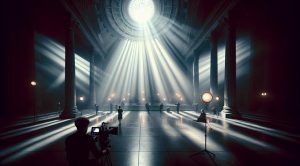
– Use Light as a Narrative Tool: Decide whether natural light controlled studio light or mixed approaches best serve the scene. Experiment with direction intensity and color to shape audience response.
– Edit with Purpose: Each cut should solve a problem either of space time or emotion. Avoid cutting for its own sake. Let the rhythm of a scene arise from its emotional arc.
– Let Sound Lead Where Image Cannot: Use sound to suggest off screen action or to carry emotional continuity across edits. Sound can reveal history or motive in ways that image alone cannot.
– Rehearse Physical Storytelling: Blocking and choreography should support character intent. Movement must feel motivated and reveal relationships.
– Study Masters of the Craft: Analyze films known for strong Cinematic Expression and identify techniques that translate to your projects.
For readers who want a range of curated examples and reviews that highlight Cinematic Expression in modern cinema visit moviefil.com to explore articles and lists that break down technique scene by scene.
How Genre Shapes Cinematic Expression
Genre makes specific cinematic choices feel familiar and satisfying. Understanding genre helps creators align expectations while still surprising audiences.
– Drama: Tends to favor character focused composition naturalistic lighting and measured pacing to allow performances to breathe.
– Thriller: Uses tighter framing quickened edit pace and sound design to sustain tension and create threat.
– Comedy: Timing is essential. Edit rhythm and actor timing work together to deliver punch lines while camera choice supports visual gags.
– Science Fiction and Fantasy: Production design color and visual effects support world building while sound and music deepen immersion.
– Documentary: Emphasizes authenticity through observational camera work natural sound and minimal staging. Yet cinematic choices remain crucial to shaping narrative and theme.
By studying how each genre deploys elements of Cinematic Expression filmmakers can craft works that honor tradition while finding new expressive routes.
The Role of Technology in Evolving Cinematic Expression
Technological change continuously expands the vocabulary of Cinematic Expression. High resolution sensors flexible lenses and advanced color tools allow for more exact visual shapes. Sound technology enables immersive audio landscapes that wrap the viewer. Editing software provides unprecedented freedom to sculpt time and emotion.
However technology alone does not guarantee expressive success. The craft lies in choosing what to use and why. The best uses of new tools are guided by narrative purpose and by an acute sense of audience experience. The goal is to make technology feel invisible while serving a clear expressive aim.
Cinematic Expression for Digital Content and Short Form Work
Short form content for streaming and social media demands compact Cinematic Expression. With limited time creators must deliver character setting and tone fast. This requires sharper composition brisk editing and clear sound. Even in a short piece a strong visual strategy and deliberate sound choices can make content feel cinematic.
For those creating film focused essays or for creators exploring music and film intersections Museatime offers resources and insight that connect musical expression with cinematic technique. Explore that resource at Museatime.com to learn how music can elevate the expressive power of film.
Measuring the Impact of Cinematic Expression
How do you know when Cinematic Expression works? Consider these markers.
– Emotional Resonance: Viewers leave changed or thinking about the film.
– Visual Memory: Specific frames or sequences remain vivid after viewing.
– Critical Discussion: Reviewers and scholars engage with a film on the basis of its craft.
– Repeat Viewing Value: Films with layered Cinematic Expression reward multiple viewings with new discoveries.
These outcomes come from intentional craft choices rather than accident. They are signs that cinematic language has succeeded in communicating beyond plot.
Conclusion: Cultivating Your Cinematic Voice
Cinematic Expression is both technique and taste. It is what allows a filmmaker to shape perception and guide feeling. By mastering composition camera movement lighting editing sound and performance a creator builds a personal cinematic voice. Whether you are a director cinematographer editor or a content creator the pursuit of expressive clarity is central to making work that endures.
For ongoing examples inspiration and analysis about film craft scene study and contemporary releases remember to engage with curated voice driven content and case studies that illuminate technique and intention. Strong Cinematic Expression transforms good ideas into memorable cinema.