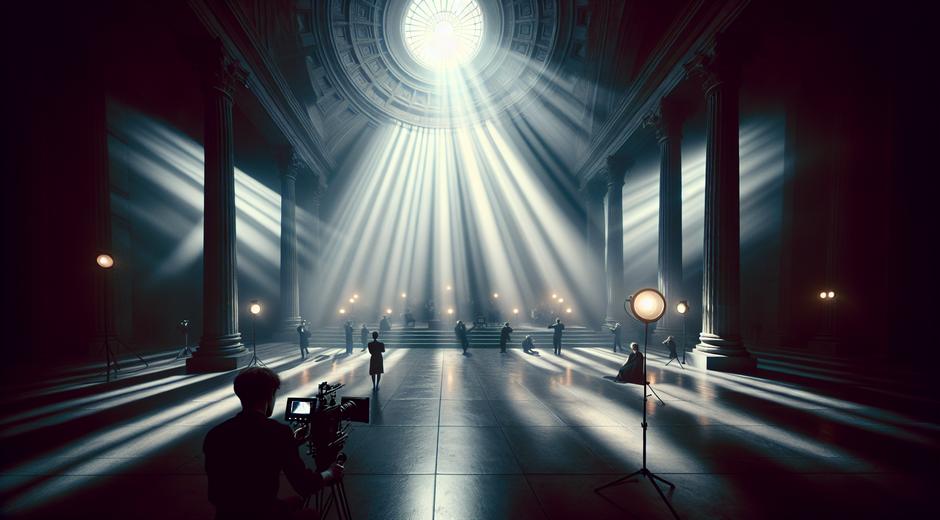


Cinematic Contrast That Transforms Movies Into Lasting Experiences
Cinematic contrast is one of the most powerful tools a filmmaker has to shape emotion memory and meaning. When used with intention contrast can guide the eye create narrative tension and intensify the experience of a scene. This article explores what cinematic contrast means why it matters how it is crafted and how viewers can learn to see it. Whether you are a filmmaker critic or a devoted movie fan you will find practical insights and examples to deepen your appreciation of visual storytelling.
What Cinematic Contrast Really Means
At its core cinematic contrast refers to differences that make elements stand out from each other. Contrast can be visual tonal color compositional or temporal. Visual contrast is often the first thing audiences notice because it shapes focus through light and dark. Color contrast uses opposing hues or saturation levels to separate foreground from background or to communicate mood. Compositional contrast places contradictory shapes sizes or placements next to each other to create dynamism. Temporal contrast alters rhythm by inserting moments of stillness between bursts of action. All these forms combine to engage attention and to help the film communicate on multiple sensory levels.
Why Cinematic Contrast Matters for Storytelling
Cinematic contrast does more than please the eye. It is a language. A high contrast between bright and dark can imply danger or a moral choice. A sudden shift from muted tones to vibrant color can mark an emotional revelation. By controlling contrast filmmakers steer the viewer to what matters while reinforcing theme and subtext. Contrast also aids memory. Distinctive visual contrasts linger in the brain making key moments more likely to be recalled long after the credits roll.
Types of Visual Contrast and How They Work
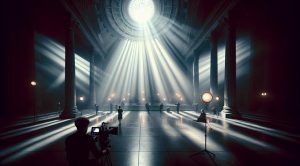
Lighting contrast is perhaps the most familiar. Low key lighting creates deep shadows and sharp edges to emphasize mystery tension or moral ambiguity. High key lighting minimizes shadow and conveys openness safety or honesty. Color contrast uses complementary colors or extreme saturation differences to make actors or props pop against a background. Think of how a single red object in a field of blue becomes a visual anchor.
Compositional contrast includes scale contrast where a tiny figure occupies the frame with a huge structure looming behind. This conveys vulnerability. Motion contrast occurs when a static protagonist is surrounded by frantic movement this isolates them psychologically. Even texture contrast from smooth surfaces next to rough ones can trigger aesthetic and symbolic reactions.
Sound Contrast as a Cinematic Tool
Contrast is not only visual. Sound contrast shapes how scenes are perceived. A sudden silence after ambient noise draws attention to a whisper or a small gesture. A restrained musical motif that swells at a critical moment increases emotional payoff. Effective sound contrast reinforces the visual choices and can lead to a multi sensory crescendo that defines memorable scenes.
How Color Grading Enhances Cinematic Contrast
Color grading is the technical practice that often finalizes contrast intent. Graders adjust luminance contrast and the balance of hues to craft a signature look. A cool teal and orange grade separates skin tones from the background making faces immediately legible. Desaturated color can make a flash of saturated red carry symbolic weight. Color grading is a creative step that must respect the director and cinematographer choices so that contrast remains coherent across scenes and acts.
Famous Examples That Showcase Contrast
Classic film noirs demonstrate mastery of light and dark contrast to build suspense and moral complexity. Contemporary directors often rely on color contrast to define different narrative timelines or emotional states. A single scene where a character walks from a dark alley into a sunlit plaza can visually mark transformation. Iconic moments from many acclaimed films show how contrast creates instant recognition and cultural echo.
How to Analyze Cinematic Contrast as a Viewer
Learning to see contrast improves film literacy and enhances enjoyment. Start by isolating one contrast type per scene. Ask whether the lighting pushes your attention to a particular face or object. Notice if color shifts when a character learns a truth. Listen for changes in ambient sound or music that accompany a visual shift. Over time you will spot patterns in a director or cinematographer style and understand how contrast supports theme and performance.
Practical Tips for Filmmakers and Editors
Plan contrast during pre production not only on the day of the shoot. Storyboards and mood boards help lock in lighting and color strategies. During production watch how natural light interacts with your set and actors and adjust costumes or props to maintain intended contrast. In editing use contrast to control pacing. A quick succession of high contrast shots can create intensity while interspersing low contrast takes can offer relief and reflection. Finally use color grading to refine not to reinvent the contrast you set up during principal photography.
Integrating Contrast Into Genre Choices
Different genres demand different contrast approaches. Horror often uses stark lighting contrast and abrupt sound contrast to startle and disorient. Drama relies on subtler tonal contrast to underline emotion. Action uses motion and scale contrast to intensify physical stakes. Recognizing these tendencies helps creators make choices that serve audience expectation while leaving room for surprise.
How Moviefil Can Help You Explore Contrast Further
If you want more practical analysis and curated examples about cinematography visit moviefil.com where articles tutorials and scene breakdowns show cinematic contrast at work across genres. You will find in depth guides that explain lighting setups color grading techniques and editor notes that reveal the choices behind memorable sequences. Learning from detailed scene studies accelerates your ability to both appreciate and apply contrast.
Design Inspiration From Unexpected Places
Set designers often borrow ideas from architecture and interior design to build contrast in living spaces and locations. For filmmakers seeking house or set design inspiration a visit to a specialist site can spark ideas for texture color and scale that translate to the screen. For practical real world guidance check resources at MetroPropertyHomes.com which can provide visual references and layout examples useful for production design choices.
Measuring the Impact of Cinematic Contrast
Contrast effectiveness is partly subjective but it can also be measured. Test screenings and shot by shot analysis reveal where viewers focus feel lost or emotionally moved. Heatmaps track visual attention and audio meters show where sound contrast peaks. Editors and directors can use these insights to tighten scenes and to ensure that contrast consistently supports the narrative moment by moment.
Conclusion
Cinematic contrast is a versatile storytelling device that shapes perception memory and emotion. By manipulating light color composition motion and sound filmmakers create pathways for the audience to follow. Viewers who learn to recognize these strategies gain a deeper appreciation of film craft. For creators contrast should be treated as a deliberate design choice from pre production through color grading. With mindful planning and analysis contrast elevates ordinary images into striking cinematic moments that stay with audiences long after the film ends.