

Camera Movement: The Invisible Language of Filmmaking
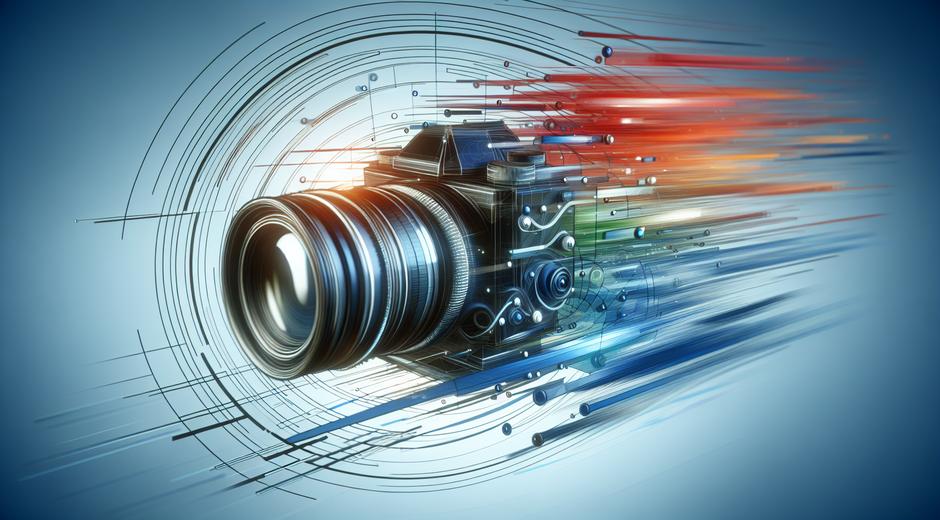
Camera Movement is one of the most powerful tools a filmmaker has to shape how a story is felt and understood. Beyond dialogue and acting, the way the camera moves guides audience attention creates tension and builds emotion. For a site that covers every facet of film, understanding Camera Movement is essential for editors directors cinematographers and critics alike.
Why Camera Movement Matters
At its core Camera Movement serves three main functions. First it directs the eye so the viewer sees exactly what matters in a frame. Second it establishes rhythm and pace which in turn affects the tone of a scene. Third it reveals character and spatial relationships in a way that is often more expressive than words. When used consciously Camera Movement becomes a form of visual grammar that helps tell the story without drawing attention to itself.
Consider a quiet scene where a small push in towards a protagonist can create a sense of intimacy and reveal vulnerability. A sudden rapid move can cause disorientation and mirror a character s panic. Even the absence of movement can be meaningful. Stillness can speak volumes when it contrasts with previous motion. Mastering Camera Movement means learning when to move and when to resist the urge to move.
Types of Camera Movement
There are many ways to move a camera and each technique carries its own emotional weight. Below are commonly used methods and the typical effects they create.
Pan: The camera rotates horizontally from a fixed position. Use a pan to follow action reveal new information or link two subjects in the same scene.
Tilt: The camera rotates vertically. A slow upward tilt can reveal scale or awe while a downward tilt can suggest control or dominance.
Track or Dolly: The camera moves through space often on rails or a wheeled platform. A move towards a subject can increase intensity while a move away can create emotional distance.
Crane Move: The camera is lifted or lowered through vertical space. Crane moves are useful for grand revealing shots or for transitioning between different levels of a set or location.
Steadicam or Stabilized Walk: The camera follows a subject smoothly while a camera operator walks. This creates fluid motion while keeping the camera steady and immersive.
Handheld: A handheld camera introduces natural shake and micro movement. It adds realism and immediacy and is often used in action scenes or documentary style sequences.
Zoom: Changing the focal length to make the subject appear closer or farther. A zoom can be used for dramatic reveal or to compress space though it affects how depth is perceived.
Planning Camera Movement for Storytelling
Camera Movement should never be an afterthought. In pre production plan each move with story intent. Ask what emotion the scene needs to convey and which character perspective is central. Storyboards and shot lists are invaluable tools to visualize moves and ensure continuity. When possible rehearse the movement with actors and crew so timing and eyelines are precise on the day of the shoot.
Think in terms of beats. Break a scene into moments where the camera can enhance a beat or where it should remain neutral. A well timed move can bridge beats creating a seamless narrative flow. Be mindful of pacing and how a series of moves affects the rhythm of an entire sequence.
Camera Movement and Audience Emotion
Camera Movement has a direct correlation to audience empathy. Close in camera moves invite viewers into a character s internal world while wide moving shots can create a sense of isolation or vulnerability within a larger environment. Rapid jittery movement can generate excitement fear or confusion. Smooth measured moves often convey control elegance or introspection. The key is to match movement style to emotional intent.
Subtext is often achieved through movement. For instance a subtle push away from a couple mid conversation can suggest growing distance even when dialogue suggests otherwise. A slow circular move around a character can imply entrapment or a spiraling state of mind. By aligning Camera Movement to subtext you enrich the narrative without adding extra exposition.
Tools and Techniques to Achieve Effective Movement
There are many tools to support Camera Movement and the choice depends on the scene budget and desired effect. Dollies can provide ultra smooth linear motion. Cranes and jibs add vertical dynamics. Gimbals offer stabilized movement with nimble support for running sequences. Steadicams combine operator mobility and stability for long takes. Handheld rigs are lightweight and responsive for documentary or vérité style work.
Technology and practical know how must work together. Proper rigging camera balancing and weight distribution are essential for safe and effective moves. Lighting needs to be planned to accommodate motion so that exposure and shadows remain consistent. Sound recording must also be considered since movement can introduce noise from the rig or operator and may require strategic placement of microphones and boom operators.
Common Mistakes to Avoid
Even experienced teams can make errors when planning or executing Camera Movement. One frequent mistake is moving the camera purely for style without narrative purpose. Gratuitous motion can distract the audience and weaken a scene. Another issue is mismatched movement and blocking which results in awkward eyelines or continuity errors. Poor stabilization can break immersion by drawing attention to the rig rather than the story.
Ignoring the soundtrack is another pitfall. Camera Movement often works in tandem with music and sound design. A move that feels natural with the score can become jarring on a different track. Test moves with temp audio to anticipate how the final mix will interact with motion.
Learning and Evolving Your Approach
Studying great films and analyzing how Camera Movement is used scene by scene is one of the fastest ways to improve. Many classic directors used subtle moves to powerful effect and contemporary filmmakers continue to push the boundaries of what a single shot can accomplish. Practice is essential. Try filming short exercises that isolate one type of movement at a time and explore how small changes in speed or timing alter emotional impact.
For more resources on film craft and structured lessons consider visiting reputable learning platforms. A curated guide can help you build technical skill and narrative intuition in a systematic way. One resource worth checking is StudySkillUP.com which offers courses and articles that support a focused learning path for film students and practitioners.
Applying Camera Movement to Different Genres
Every genre has its own visual language and Camera Movement plays a role in defining that language. In comedies quick subtle moves support timing and reaction while in thrillers deliberate slow moves build suspense. In action cinema handheld and fast stabilized moves create adrenaline while in melodrama gentle controlled moves heighten emotional nuance. Always consider genre conventions while also looking for opportunities to subvert expectations for creative effect.
If you are exploring film analysis or creating content for a movie site include careful breakdowns of notable scenes to demonstrate the practical use of Camera Movement. Readers appreciate examples that dissect why a move works and how it was achieved. A practical case study can make abstract concepts tangible for emerging filmmakers. For coverage and discussion of films that highlight Camera Movement techniques visit trusted film platforms such as moviefil.com where examples reviews and technical breakdowns help deepen understanding.
Conclusion
Camera Movement is an essential component of cinematic storytelling. When used thoughtfully it enhances narrative clarity emotional resonance and audience engagement. Whether you are an aspiring director cinematographer editor or critic learning to recognize and apply different movement techniques will elevate your work. Start small practice deliberately and always let story drive motion. With time the language of Camera Movement will become instinctive and your visual storytelling will grow richer and more compelling.