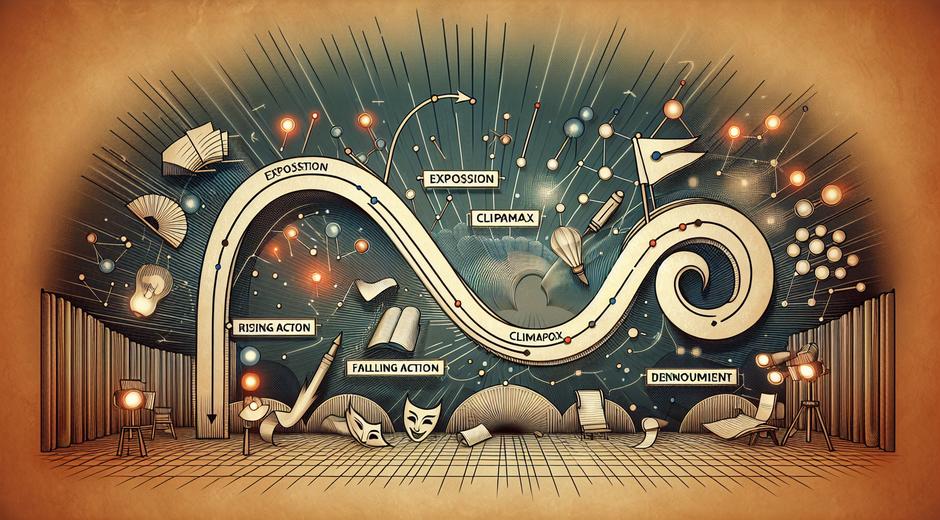


Dramatic Structure: The Blueprint Filmmakers Use to Hook Audiences
Understanding dramatic structure is essential for anyone who cares about storytelling in film. From the earliest myths to modern movies that fill streaming catalogs, dramatic structure guides the rise and fall of tension, shapes character journeys, and creates emotional payoff. In this article we will explore what dramatic structure means for filmmakers and screenwriters, explain the core elements that every successful story needs, and offer practical tips for applying these principles to your next script.
What is dramatic structure
Dramatic structure is the underlying order that organizes events and emotional beats inside a story. It moves the audience from curiosity to investment and finally to resolution. While many models exist, they all share a common goal: to shape the cause and effect of a plot so each scene matters and the stakes increase as the story progresses. This is what turns a sequence of events into a compelling cinematic experience.
Core principles that make dramatic structure work
There are a few core principles that every dramatic structure should follow. First, cause and effect must drive the plot. Every action needs to lead to a consequence that raises the stakes. Second, character choice sits at the heart of every dramatic moment. When characters make choices that create new conflicts, the audience feels the weight of the story. Third, escalation keeps viewers engaged. Each turning point must feel more significant than the last until a satisfying climax arrives. Finally, emotional logic must be consistent. Even when events surprise us, they must feel inevitable in hindsight because the characters and setting made them believable.
Common models of dramatic structure
Writers and teachers often use models to teach dramatic structure. The most popular is the classic three act structure which divides a story into setup, confrontation, and resolution. Another well known model breaks the plot into more detailed beats that include an inciting incident, midpoint reversal, and final confronation. While these models are different in detail, they share the same DNA. They help writers plan the placement of key moments that must happen for the story to feel complete.
Key beats every screenplay should consider
While creativity allows for many variations, most strong scripts include several key beats. The inciting incident disrupts the character s normal world and sets the story in motion. The first turning point forces the protagonist to commit to a course of action. The midpoint often raises the stakes and can reveal a major truth or complication. The second turning point pushes the hero into a final clash. Finally the climax resolves the core conflict and the denouement shows the new normal. Paying attention to these beats helps writers manage pacing and emotional impact.
How dramatic structure supports character development
Dramatic structure and character development are inseparable. Structure is not just about plot mechanics. It creates the space where a character s desires, flaws, and growth unfold. Each beat shows how the character reacts under pressure. A well structured story makes character change feel earned because conflicts force new decisions. This is why many teachers insist that the inner arc must mirror the outer plot. When a hero faces a mirror image of their inner need at the climax, audiences feel the catharsis that makes movies memorable.
Applying dramatic structure to different genres
Different genres demand different rhythms, but the same basic dramatic principles apply. A thriller may speed up the escalation and place more emphasis on external obstacles, while a drama might slow the tempo to focus on interior emotional life. A comedy will use structure to set up and subvert expectations for laughs. No matter the genre, structure helps allocate scenes so that audience attention remains focused and momentum builds toward a satisfying ending.
Practical tips for writers and filmmakers
Start by identifying the core question your story asks. What is the central problem your protagonist must resolve? Use that question as a compass when plotting scenes. Keep stakes clear and raise them logically. Make sure each scene advances either plot or character or ideally both. When you draft, allow yourself to break models if a creative idea demands it, but always ensure the emotional through line remains coherent. Workshops and feedback are invaluable. Share a draft early to test whether the dramatic beats land.
If you want resources on screenwriting craft and structure that include templates and in depth guides, be sure to explore the collection on moviefil.com where film lovers and writers can find articles and examples that illustrate each beat in real films. This kind of targeted reference helps translate theory into practice for any creative team.
Examples of dramatic structure in famous films
Consider how dramatic structure works in several well known films. In many classic action films the inciting incident forces the hero to leave home, the midpoint reveals betrayal or a new obstacle, and the final battle resolves the external problem while also settling an inner conflict. In intimate dramas the beats are subtler. The inciting incident might be a chance meeting, the midpoint a revelation of past trauma, and the climax a truth the protagonist can no longer avoid. Studying a variety of films reveals how flexible dramatic structure can be while still delivering emotional impact.
Common pitfalls to avoid
One common mistake is confusing activity with progress. Lots of events can occur without advancing the central dramatic question. Another pitfall is failing to commit to a clear thematic thread. Scenes that are entertaining but do not reinforce the main theme dilute the story s power. Finally avoid ending a story with an easy out. Audiences want consequences that feel earned. A strong dramatic structure builds tension and resolves it in a way that honors the journey.
Measuring success: how to know your structure works
Testing a structure can be simple. Read your script and ask if every scene moves the core question forward. If you remove a scene does the story lose momentum or clarity? Beta readers who are not emotionally invested can give honest feedback about pacing and engagement. Another test is watching the film with fresh eyes after a long break. If the emotional beats still register, the structure is likely effective. Use notes and revisions to tighten places where the cause and effect feels weak.
Tools and further reading
There are many tools that help writers map dramatic structure. Software can visualize beat placement and show how pacing looks across the timeline of a project. For technical reviews of software for writers and production teams, you might explore the resources available at Techtazz.com which covers a range of tools that support writing and pre production workflows. Pairing craft knowledge with the right tools helps creators manage complexity as they bring a story to life.
Conclusion
Dramatic structure is not a set of rules that stifle creativity. It is a toolkit that helps writers shape their ideas into stories that move people. Whether you are crafting an intimate character piece or a wide scale franchise, understanding how to arrange beats and escalate stakes will improve clarity and emotional payoff. Study films with an eye for structure, practice outlining your own projects, and use feedback to refine your sense of timing. With deliberate attention to dramatic structure you will make movies that connect, surprise, and endure.