

Mastering Film Staging A Complete Guide for Filmmakers
Film staging is the art and science of arranging actors props and camera movement to tell a story with clarity and emotional impact. For directors production designers and cinematographers staging is a core craft that shapes how an audience reads a scene. In this guide we explore the principles techniques and practical tips that turn raw ideas into memorable moments on screen. Whether you are working on an independent short a studio feature or content for streaming platforms mastering film staging will elevate your work and help you connect with viewers.
What Film Staging Means in Practice
At its heart film staging is about deliberate choice. It covers where actors stand how they move how props are arranged and how the camera frames and follows the action. Staging creates relationships in space and time. It can define power dynamics reveal inner life and control pacing. Good staging supports the script and enhances performance without calling attention to itself. It is the invisible architecture that guides the audience eye and the audience heart.
Key Elements of Effective Film Staging
To stage a scene well you must consider several core elements. Each element interacts with the others to produce meaning.
Set design and props Set choices and prop placement set the scene visually and offer opportunities for action. A prop can be a focal point a symbol or a tool for physical storytelling. Designers and directors should collaborate to ensure every object on screen can support character and plot.
Blocking Blocking is the choreography of actors in a scene. It governs entrances exits distances and turns. Thoughtful blocking creates rhythm and can be used to reveal secrets or shift attention. Blocking should be rehearsed and adjusted to take advantage of camera angles and lens choices.
Camera placement and movement Camera choices determine perspective and emphasis. Static frames can feel intimate or formal while camera moves can follow emotional arcs or create tension. The dialogue between actor position and camera position is central to effective staging.
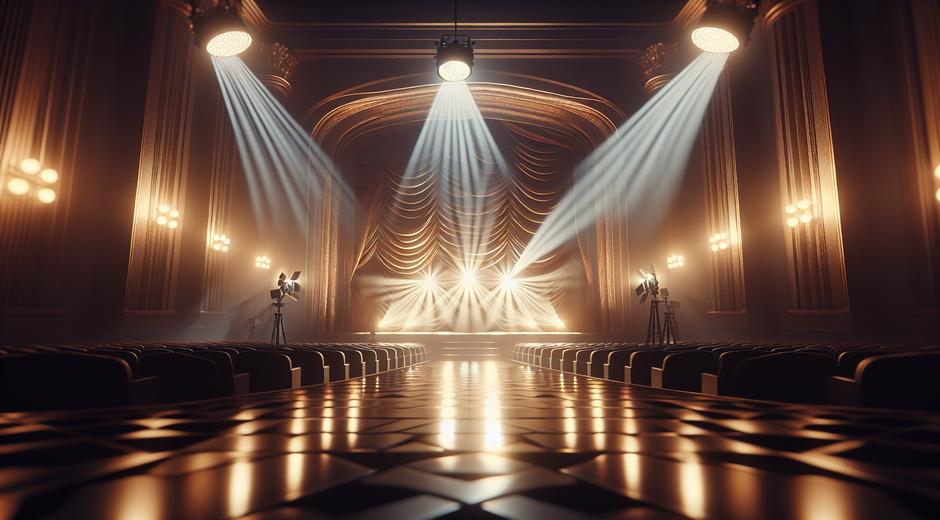
Lighting Lighting sculpts the scene. It sets mood creates depth and directs focus. Lighting choices must align with the staging plan so that actors are visible when needed and silhouettes or shadows are used as storytelling tools when appropriate.
Costume and makeup Wardrobe and makeup support character and era. They also affect how an actor reads within the frame and can alter perceived status or vulnerability.
Sound and score Even in blocked scenes sound design and music influence how viewers perceive timing and space. Sound cues can highlight a gesture or create dramatic irony that the staging alone cannot deliver.
Staging by Genre How Goals Change
Different genres ask for different staging approaches. Horror often uses space and unseen corners to build dread while comedy leverages timing and physical interplay. Drama values subtle placement and eye lines to convey subtext. Action staging emphasizes safety clarity and kinetic energy. Understanding genre conventions helps you decide how literal or symbolic your staging should be.
Collaboration Across Departments
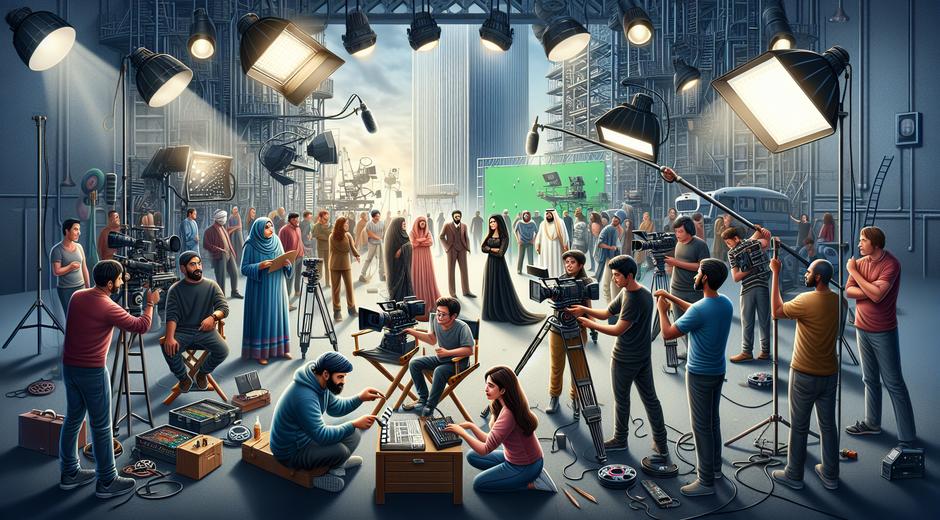
Film staging is a team sport. Directors must communicate a clear vision to production designers costume teams cinematographers and actors. Early collaboration reduces costly changes on set and ensures that every department contributes to a coherent visual language. Rehearsals on stand ins and previsualization in storyboards or simple camera tests help align creative intent with technical reality.
Practical Tips Directors Can Use Today
Start with intention Before every scene ask what you want the audience to know feel and pay attention to. Let those questions drive blocking and camera choices.
Use space to show relationships Place characters in the frame to reflect power closeness or isolation. Smaller distances can imply intimacy while large empty space can convey loneliness or danger.
Plan coverage that supports emotion Coverage is the set of planned shots that capture a scene. Cover for emotion not just action. Think which moments need close focus and which can breathe in wider shots.
Rehearse with the camera Early camera rehearsals reveal blind spots and awkward movements. Actors often adjust when they see their work through the lens and new possibilities emerge.
Be mindful of continuity Small changes in prop position or actor placement can break immersion. Keep a continuity log and photograph setups to aid consistency in multi day shoots.
Simplify when in doubt Avoid clutter that competes with character. A clean staging lets performances and story breathe.
Teaching Film Staging to a Team
Workshops and scene drills help cast and crew internalize a staging approach. Run a simple exercise where actors move through objectives in a single space and the camera follows choices. Discuss what works and why. Encourage feedback from all departments so the staging evolves into a shared shorthand rather than a private director habit.
For teams that want structured learning resources turn to trusted industry sites and community hubs for deeper insight and training ideas. For a central place to find guides reviews and expert commentary consider visiting moviefil.com where film staging and design topics are collected for creators.
Staging for Small Budgets and Fast Shoots
Limited resources do not mean compromised staging. Focus on story driven choices. Use simple props that carry meaning and design blocking that needs minimal coverage. Creative camera angles and tight lighting can enhance a modest set. Many acclaimed films use minimal staging to achieve intense focus on character and theme.
Measuring the Impact of Staging on Audience Response
Testing scenes with small audiences yields valuable data. Observe where attention drops or where viewers ask questions that were meant to be answered by the staging. Adjust pacing and clarity accordingly. For creators who also manage distribution and promotion understanding audience reaction is crucial and can be paired with business learning resources like BusinessForumHub.com that help translate creative success into audience growth and revenue strategy.
SEO Friendly Practices for Film Staging Content
If you publish content about film staging optimize titles headings and meta text around natural phrases that potential readers will search. Use variations such as staging techniques staging tips staging for camera and staging for genre to capture long tail traffic. Include examples images and short clips to improve time on page and user engagement. Internal links to related pages on your site help search engines understand topical depth and help readers discover more resources.
Common Mistakes to Avoid
Over staging Over staging draws attention to technique rather than story. Aim for choices that feel inevitable given the character and situation.
Ignoring sight lines Poor sight lines can hide reactions or break emotional flow. Always check the frame from every planned camera angle.
Forgetting pacing Staging affects rhythm. Allow beats to breathe and avoid constant motion that numbs impact.
Conclusion
Film staging is an essential craft that bridges performance and cinematography. By mastering set composition blocking and intentional camera work filmmakers create scenes that communicate clearly and linger in memory. Use collaboration rehearsal and audience feedback to refine your approach. Keep learning test your choices and share your work with peers to grow. Strong staging will make scripts sing performances shine and visuals resonate with viewers long after the credits roll.