

Cinematic Symbolism
Cinematic symbolism shapes how viewers feel about a story long after the final frame fades to black. Filmmakers plant visual and auditory cues that carry meaning beyond literal action. This artful practice of using objects colors gestures and sound to represent ideas is central to memorable cinema. In this article we explore the role of cinematic symbolism in modern film craft and how it influences audience interpretation and emotional response. If you want to dive deeper into film guides and reviews visit moviefil.com for curated content across genres and eras.
What Cinematic Symbolism Means for Storytelling
Cinematic symbolism is the practice of encoding additional layers of meaning into film elements. It is not merely decoration. When a director places a glass of water in a scene or chooses a recurring melody the audience can sense a theme without a single line of exposition. This technique builds resonance and invites active interpretation. Symbolism can guide character arcs foreshadow events or comment on social themes. Great films use symbols to deepen narrative coherence so the story works on both a surface and a subconscious level.
Symbols can be literal or abstract. A literal symbol might be a family heirloom that represents legacy. An abstract motif could be the repeated use of shadows to convey uncertainty. Both forms enhance the viewer experience by offering entry points for analysis and emotional engagement. When teaching film studies instructors often ask students to track motifs across a film to reveal the underlying message. That practice reveals how cinematic symbolism functions as an architectural element of storytelling.
Key Types of Symbols in Film
Understanding common symbol types helps viewers spot recurring themes. Here are essential categories used by filmmakers.
Objects and Props
Objects often act as anchors for meaning. A ring can imply commitment or power. A torn photograph can signal fractured memory. Objects become shorthand for complex ideas when used consistently. Production design teams select props with symbolic weight in mind. Even simple items like a clock or a match can signal urgency or destruction when placed at pivotal moments.
Colors and Lighting
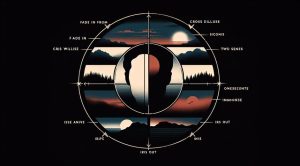
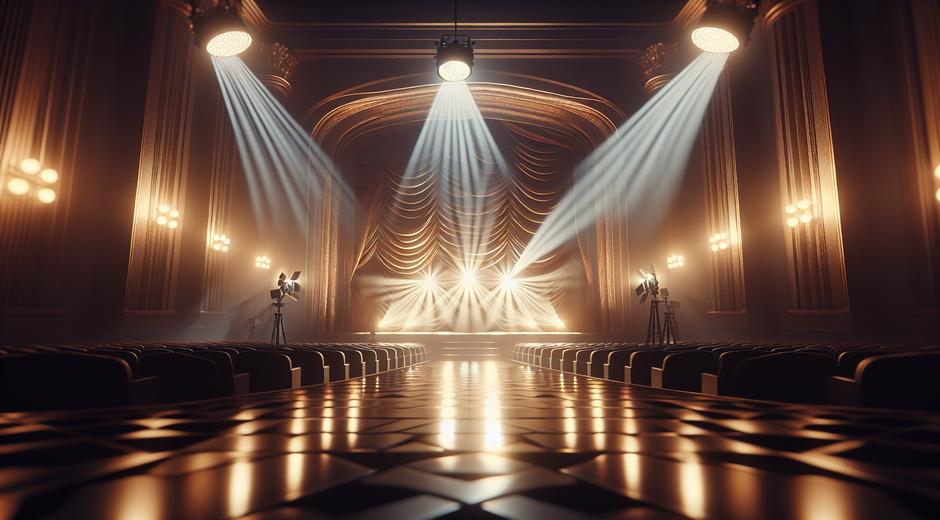
Color choices and lighting patterns are powerful symbolic tools. Filmmakers use color palettes to set tone and to connect scenes across the narrative. A warm palette might signal safety while cold tones can hint at alienation. High contrast lighting can reveal moral complexity. Subtle shifts in hue can mark changes in a character state of mind. Because color language is culturally informed filmmakers often rely on visual contrast to ensure symbolism reads clearly for wide audiences.
Sound and Music
Sound design and music carry symbolic meaning that can be felt even without conscious recognition. A recurring melody can serve as an auditory motif tied to a character or idea. Silence itself can be symbolic creating tension or underscoring isolation. Sound designers layer ambient noise to evoke memory or place. Music supervisors seek tracks that amplify emotional subtext so that a scene registers on multiple sensory levels.
Gestures and Body Language
Actors communicate through more than dialogue. A repeated gesture can symbolize a habit a trauma or a pledge. Directors often refine small motions to become consistent signals for the audience. To understand character motivation film viewers watch for these subtle cues. When gestures align with other symbols like props or lighting the effect grows cumulative and convincing.
How Symbolism Shapes Genre Conventions
Genres rely on shared expectations and symbolism helps deliver those expectations while also offering the chance to subvert them. In horror settings the use of recurring motifs like mirrors or closed doors heightens dread. In romance the presence of open landscapes can represent freedom while confined spaces can signal barriers to intimacy. Directors who master symbolic language can twist conventions to surprise and to provoke thought.
Techniques for Identifying Symbolic Threads
Film analysis requires a keen eye for repetition pattern and contextual placement. Here are practical steps for spotting cinematic symbolism.
- Watch for recurring objects images colors or sounds and note when they appear.
- Consider the context each time a motif appears. Is it tied to a person an idea or a location?
- Analyze how the motif evolves. Does its meaning shift as the story moves forward?
- Cross reference visual symbols with dialogue and performance to build a holistic interpretation.
- Discuss ideas with other viewers to surface alternative readings that you may have missed.
Recording observations scene by scene can reveal how motifs accumulate meaning. Over time a spark of symbolism becomes a central theme that binds narrative strands.
Examples from Classic and Contemporary Film
Examples make the concept tangible. Consider classic films where a single object carries heavy weight. In some stories a bird in a cage becomes shorthand for constraint and a window becomes the promise of escape. Contemporary directors expand this language by blending digital techniques with traditional symbol use. A recurring app notification sound might stand for modern alienation just as effectively as a physical prop did in earlier decades.
Film critics often publish essays tracing how symbolism operates across a director work. Those articles help viewers appreciate intentional choices rather than accidental coincidences. The study of motifs also enriches the viewing experience making repeat watching more rewarding.
Why Cinematic Symbolism Matters for Filmmakers
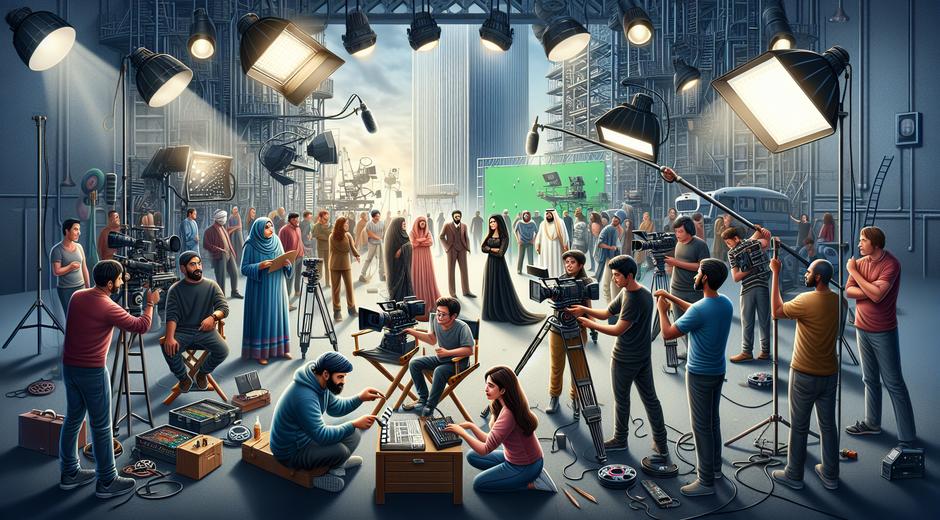
For creators symbolism is a strategic tool. It allows economical storytelling where a single image can replace an extended scene. This compression keeps pacing tight without sacrificing depth. Symbolism also invites audience participation which fosters loyalty and sparks discussion. When viewers uncover hidden layers they form stronger connections to the text and are more likely to recommend the film to others.
Using Symbolism Ethically
Symbols are powerful and should be used thoughtfully. Filmmakers bear responsibility to avoid reducing complex identities or experiences to crude shorthand. Symbols that rely on stereotypes can harm and alienate. Ethical use of symbolism involves research consultation and sensitivity so that imagery strengthens rather than diminishes subject matter.
Learning Resources and Further Reading
Aspiring analysts and filmmakers can study symbolism through scene breakdowns director commentaries and film schools. Workshops on visual storytelling often pair practical exercises with close reading of classic films. For related insights into how physical presence and wellness influence performance and gesture consider exploring expert resources such as BodyWellnessGroup.com which offers guidance on body awareness for creative professionals. Combining physical training with symbolic study enhances an actor ability to embody themes convincingly.
Practical Exercises for Viewers and Creators
Try these exercises to sharpen symbolic literacy.
- Pick a film and note one repeated motif then write a short essay on how it affects your reading of the story.
- Create a scene where a single object represents a character backstory and film it in three ways using different lighting choices.
- Collaborate with an actor to rehearse a gesture as if it had symbolic weight and see how performance shifts.
- Watch a film without sound and note which symbols remain legible and which rely on audio cues.
These tasks build awareness and help both viewers and creators recognize the many ways symbolism functions in cinematic language.
Conclusion
Cinematic symbolism enriches film by layering visual and auditory meaning into narrative. Whether subtle or overt symbols increase emotional impact encourage reflection and reward attentive viewing. For fans who want structured film content resources on themes and technique are available on sites dedicated to movies and culture. Understanding symbolism turns passive watching into an active study and deepens appreciation for the craft of filmmaking. Keep exploring track motifs and test interpretations and you will discover new dimensions in films you thought you knew.