

Visual Storytelling Arcs How to Craft Emotion and Momentum in Film
What are visual storytelling arcs
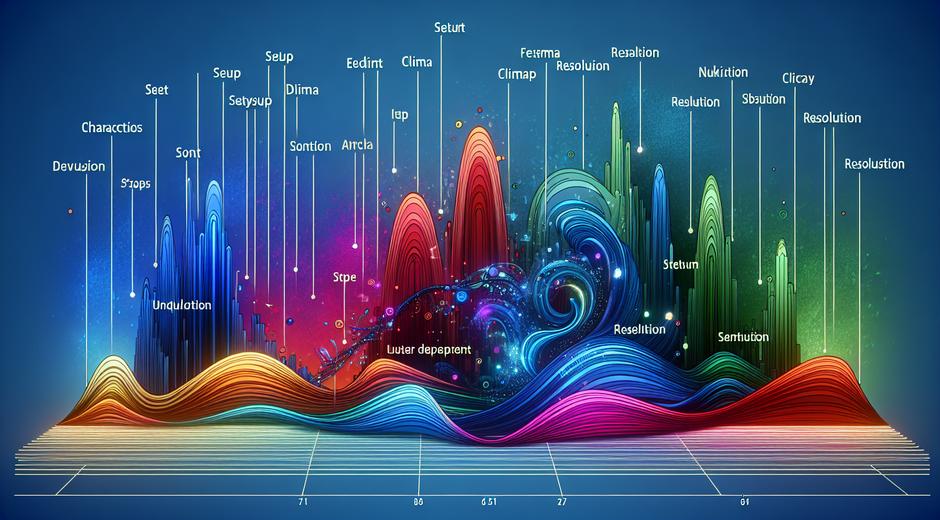
Visual storytelling arcs are the way a film uses images movement and composition to create a sense of change over time. In cinema the arc is more than plot beats. It is the visual rhythm that takes audiences from uncertainty to clarity from tension to release from confusion to understanding. When filmmakers master visual storytelling arcs they can guide emotion reveal subtext and elevate a simple scene into a memorable cinematic moment.
Why visual storytelling arcs matter for every movie
Every category of film benefits from strong visual storytelling arcs. In action films arcs can amplify tension through escalating camera movement and tighter framing. In drama arcs can reveal a character inner life through subtle shifts in color and spatial relationships. In comedy arcs can build visual setups and payoffs that generate laughs without a single line of dialogue. Because visual elements operate beneath conscious thought they have a unique power to shape audience response and to create lasting impressions.
Core components of a visual storytelling arc
There are repeatable elements that help craft clear visual arcs. Understanding these components gives directors cinematographers and editors the tools to design scenes that feel inevitable.
1. Framing and scale. The way a subject fills the frame signals intimacy or distance. A close scale often implies vulnerability or focus. Wide scale can show isolation or the subject relationship to a larger world.
2. Movement and blocking. Camera movement and actor movement create direction. Movement toward the camera can feel confrontational. Movement away often signals loss or retreat.
3. Color and light. Changes in palette and exposure can mark emotional shifts. A scene that begins cool and sterile and warms slowly can show a character opening up.
4. Depth and focus. Shifting depth of field or pulling focus can reveal priorities within a scene. A foreground object coming into sharp focus can suddenly make a detail meaningful.
5. Composition and visual motifs. Repeating shapes lines or objects creates thematic unity. These motifs can evolve through a film to reflect change.
6. Editing rhythm. The pacing of cuts and the use of sustained shots shape how tension grows and resolves. A tightening edit pace can create urgency.
These components work together to form an arc. A single scene can contain a mini arc. A sequence of scenes can form a larger arc that supports the film main narrative.
Types of visual storytelling arcs used in film
Filmmakers can deliberately shape different kinds of arcs depending on story needs.
Character arc through visuals uses changing framing costume and lighting to mirror inner growth or decline. For instance a shy character may be framed at the edge of the frame and gradually move to center as confidence grows.
Plot driven arc focuses on visual escalation. Think of a heist sequence that becomes progressively more chaotic through faster camera moves tighter shots and more rapid edits.
Emotional arc relies on visual cues to take audiences through a feeling journey. Color shifts and lingering closeups can carry the audience from hope to despair to resolution without explicit exposition.
Symbolic arc builds meaning through objects or motifs that change meaning over time. A cracked photograph first shown as background detail can later become a focal point that reveals a secret.
Practical steps to design strong visual storytelling arcs
Designing effective arcs requires planning collaboration and iteration. Below are practical steps that work for both independent films and big budget productions.
1. Start with the emotional beat. Identify the emotion you want the audience to feel at the beginning middle and end of a scene or sequence.
2. Choose one visual device to carry the change. Pick a dominant element like color camera distance or motion. Too many shifting variables can dilute the arc.
3. Sketch or storyboard the progression. Map out how framing and camera movement evolve over the arc. Visual plans reveal gaps early.
4. Test on location or with a rehearsal camera. Even small shifts in blocking or light can change the arc dynamic.
5. Use editing to refine the rhythm. Editing is the place where arcs find their final shape. Try versions with longer and shorter takes to see which best delivers the intended emotional trajectory.
6. Keep motif continuity. If you introduce a visual motif let it return in a transformed way to signal growth or reversal.
Examples from landmark films
Watching great films with a focus on their visual arcs helps build practical intuition.
In a classic film a character may begin framed in crowded environments that suggest entrapment and later be shown in open spaces that suggest freedom. Directors often use the same lensing and blocking logic across multiple scenes to create a coherent arc.
In a modern indie film a running visual motif like a shifting patch of light can mark a character moral choice. Over the course of the film the motif moves from background to foreground reflecting the moment a choice becomes central to the story.
Even high concept genre films rely on visual arcs. An action sequence that starts with static wide coverage can progress to handheld tight coverage to communicate rising stakes and confusion. That visual shift mirrors the narrative escalation.
Common mistakes to avoid
1. Overloading with competing visual ideas. When every element tries to do the same job the result can be noisy and unfocused.
2. Relying on spectacle without emotional clarity. Visual flourishes must support character and theme not replace them.
3. Ignoring continuity of motif. If a visual motif appears randomly it loses power.
4. Neglecting the edit. Shooting without a plan for the edit often leads to arcs that fall apart in post.
How to use visual storytelling arcs for SEO and audience retention in film content
If you write about movies on a site like our hub for cinema lovers you can use the concept of visual storytelling arcs to keep readers engaged. Break down scenes with clear descriptive language include stills if you own rights to them and create chapter like subsections that mirror the arc of the scene you analyze. Readers enjoy guided journeys that build toward a payoff the same way viewers enjoy arcs in films.
For more editorial resources tutorials and curated movie lists explore moviefil.com where we analyze films from a visual storytelling perspective and offer frameworks you can apply to your own projects. If you focus on romance films there are partner resources that dive into how visual arcs create chemistry and longing. For targeted examples and curated recommendations visit Romantichs.com which highlights how light costume and framing shape romantic arcs.
Tools and techniques for creators
Filmmakers have a wide toolset to shape arcs. A few accessible techniques are especially useful.
1. Use lens choice deliberately. Longer lenses compress space and can create intimacy even at a distance. Wide lenses emphasize environment.
2. Control color temperature. Small shifts in white balance can alter perceived mood without changing set dressing.
3. Employ camera movement as a character. A camera that tracks with a subject creates empathy. A static camera can feel detached or observational.
4. Use props to anchor emotional beats. A mundane object can become a visual shorthand for a character need.
5. Consider negative space. What you leave empty often carries as much meaning as what you fill.
Measuring success and iterating
A visual storytelling arc succeeds when audiences feel the intended shift. Test screenings focused on emotional response give direct feedback. Pay attention to where viewers report confusion or boredom. Those moments reveal where the arc lost momentum. Rework framing movement or edit timing and test again. Small changes often yield large improvements.
Conclusion
Visual storytelling arcs are a core craft skill for anyone working in film or analyzing it. They fuse composition motion color and rhythm into journeys that carry audiences through a story. By understanding core components choosing focused devices and iterating in editing creators can craft arcs that elevate scene after scene and create films that resonate. Whether you are making a short film a feature or writing analysis pieces for an audience passionate about cinema mastering visual storytelling arcs will sharpen your ability to shape meaning and to create emotional impact.