

Film Pacing Theory Where Rhythm Shapes Emotion
Understanding film pacing theory is a key skill for filmmakers critics and serious viewers who want to move beyond surface level reactions to movies. Pacing is the tempo of a film it controls how long scenes feel how tension grows and how emotions resolve. A deliberate study of pacing helps storytellers guide audience attention create dramatic momentum and deliver satisfying narrative payoffs. For readers who want examples and further reading on structure and craft visit moviefil.com where articles discuss classic and modern films through the lens of timing and rhythm.
What Film Pacing Theory Really Means
At its core film pacing theory explores how screen time is distributed across plot beats character moments and visual sequences. Pacing is not simply how fast a story moves. It is the relationship between tempo and tension across a film. A scene can be slow but tense like a quiet stare across a table or fast but empty when action lacks stakes. Good pacing arises when every beat serves the emotional or narrative thrust.
Practically filmmakers shape pacing with choices in performance editing camera movement sound design and score. Each element contributes to the perceived speed and weight of a scene. Editors manipulate duration and rhythm of shots while directors choose when to cut and when to hold on a reaction. Composers reinforce tempo with musical phrases. Sound designers punctuate or soften transitions. Together these layers form the film s pulse.
Key Principles of Pacing
There are several principles that appear repeatedly in effective films. First establish contrast between slow and fast moments. Contrast makes peaks feel higher and valleys feel deeper. Second prioritize clarity of cause and effect. Audiences tolerate stretches of quiet or contemplation when the sequence is clearly moving toward a payoff. Third control information flow. Reveal details at a rate that maintains curiosity and avoids confusion. Fourth respect emotional rhythms. Characters need time to react to events otherwise the emotional stakes will feel hollow.
Applying these principles depends on genre and audience expectation. A psychological drama may lean into long contemplative sequences and long takes to create immersion. A crime thriller may use a brisk pace with frequent cuts to maintain urgency. Film pacing theory teaches that genre conventions matter but also encourages thoughtful deviation when a director intends to surprise or unsettle the viewer.
Techniques Editors and Directors Use
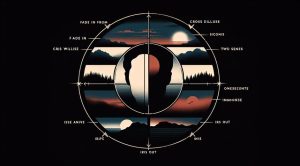
Editors commonly use rhythmic editing to create momentum. Repeating a pattern of short shots then breaking that pattern with a long take can jolt the viewer and increase interest. Cross cutting between two simultaneous threads raises tension by compressing perceived time. Montage compresses time and can show development quickly while preserving emotional continuity.
Directors influence pacing on the set by shaping performances and blocking. A single take with subtle shifting business can convey time passing without a cut. Conversely a sequence of quick cuts highlights urgency. Camera movement matters. A slow tracking shot synchronized with a measured performance invites the audience to linger. Quick handheld moves suggest instability. Combining these choices with sound and score allows creators to sculpt the audience s heartbeat.
Narrative Structure and Rhythm
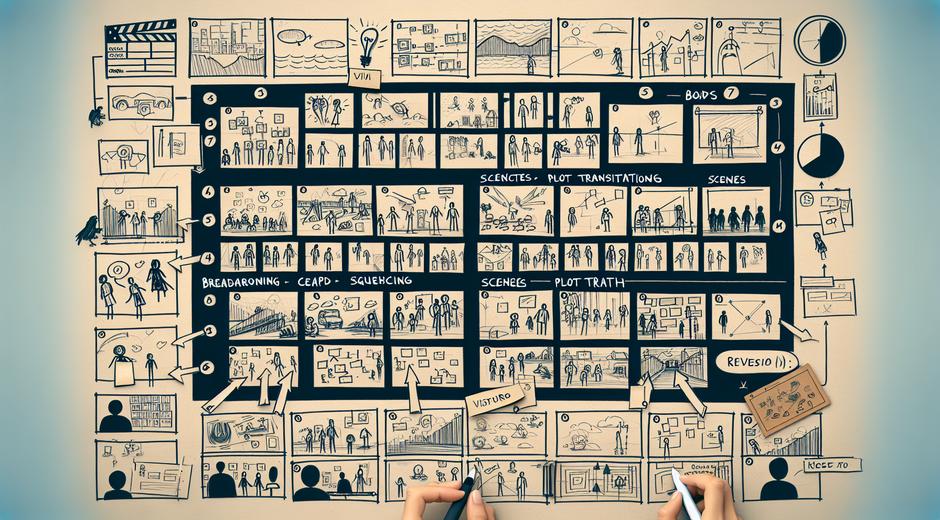
Film pacing theory intersects with narrative structure because structure provides a skeleton for timing. Classic setups introductions and payoffs map naturally to variations in pace. A three act pattern affords a measured opening groundwork a midsection that accelerates and a final section that often intensifies tempo toward resolution. But not all films follow this pattern. Some films use cyclical structure or multiple arcs to create a different pacing logic. The important lesson is to map beats and check that major emotional events have room to breathe.
Story beats require space to land. A reveal that arrives immediately after a build up will feel satisfying. If a reveal is hurried or delayed without purpose the audience response will be muted. Film pacing theory recommends creating micro arcs inside scenes and macro arcs across the film so that rhythm feels deliberate not accidental.
Pacing and Performance
Actors contribute to pacing with tempo of speech pauses and physical rhythm. Silence can be a powerful pacing tool when the actor holds a look or a pause long enough to force the viewer to process subtext. Conversely rapid dialogue can create exhilaration and a sense of inevitability. Directors often work with actors to calibrate these moments so that editing amplifies the intended impact rather than undermining it.
Improvisation can alter pacing on the fly. Some of the most memorable scenes in cinema arise from spontaneous beats that an editor later shapes. Film pacing theory recognizes that raw performance energy may create surprises that become rhythmic anchors in the final cut.
Sound Design and Music as Temporal Guides
Sound is an underappreciated pacing instrument. A shift from ambient quiet to full score cues can mark an emotional turning point. Rhythmic motifs give scenes forward motion even when visuals are static. Silence itself is a tool. A sudden removal of sound can heighten attention and make a subsequent event feel larger.
Composers tailor motifs to scenes to control perceived speed. A fast drum pattern speeds up the feel of cuts while a sustained string can elongate the emotional span. Editors and composers work together to create sync points where visual cuts and musical hits reinforce each other creating satisfying rhythmical cohesion.
Testing Pacing During Post Production
One advantage of post production is the ability to experiment with timing. Filmmakers should watch early cuts patiently counting beats and tracking audience reaction in test screenings. If a scene drags it may need trimming or reordering. If emotional impact is too fast add a reaction beat or extend a close up. Pacing is rarely perfect on the first assembly. Iteration is the practical application of film pacing theory.
When adjusting pace consider the viewer s cognitive load. Dense exposition may need slower delivery or visual support. High intensity sequences should be balanced by quieter intervals to allow breath. Alternating these states keeps viewers engaged without fatigue.
Common Pacing Mistakes to Avoid
One frequent mistake is mistaking activity for momentum. Scenes filled with movement or plot events can still feel stagnant if they do not change the story in meaningful ways. Another mistake is uneven tone where comedic and tragic textures clash without transitional scaffolding. Also avoid over editing where constant rapid cuts create exhaustion rather than energy. Film pacing theory encourages mindful restraint and purposeful acceleration rather than continuous intensity.
Measuring Pacing with Audience Data
Modern filmmakers can measure audience engagement using metrics like pause rate and exit rate on streaming platforms. These data points reveal where viewers lose interest and where they remain hooked. Use these signals to refine sequences especially in content intended for wide distribution. Remember metrics are guides not rules. Creative intent remains central but data helps fine tune choices for clarity and flow.
Conclusion and Further Reading
Film pacing theory provides both a language and a set of tools for understanding how films move through time. It combines craft choices in editing direction performance sound and score to shape emotional impact and narrative clarity. For writers directors and editors the theory offers testable techniques to craft better scenes and stronger overall rhythm. For critics and viewers the theory supplies a vocabulary to describe why a film felt urgent calm or unsatisfying.
If you want to explore related topics in media and entertainment promotion consider visiting GamingNewsHead.com for articles that cover timing and engagement across interactive storytelling and video content. Thoughtful study of pacing will deepen your appreciation of cinematic craft and sharpen your storytelling instincts whether you develop films or analyze them.