

OLED vs. Mini LED for Movies?
When it comes to watching movies at home, picture quality matters more than anything else. Deep blacks, accurate colors, smooth motion, and strong contrast can completely transform how cinematic a film feels. Two of the most popular premium TV technologies today are OLED and Mini LED, and many viewers are wondering which one is better specifically for movie watching. The answer isn’t entirely one-size-fits-all, but understanding how each technology works will make the choice much clearer.
Understanding the Core Difference
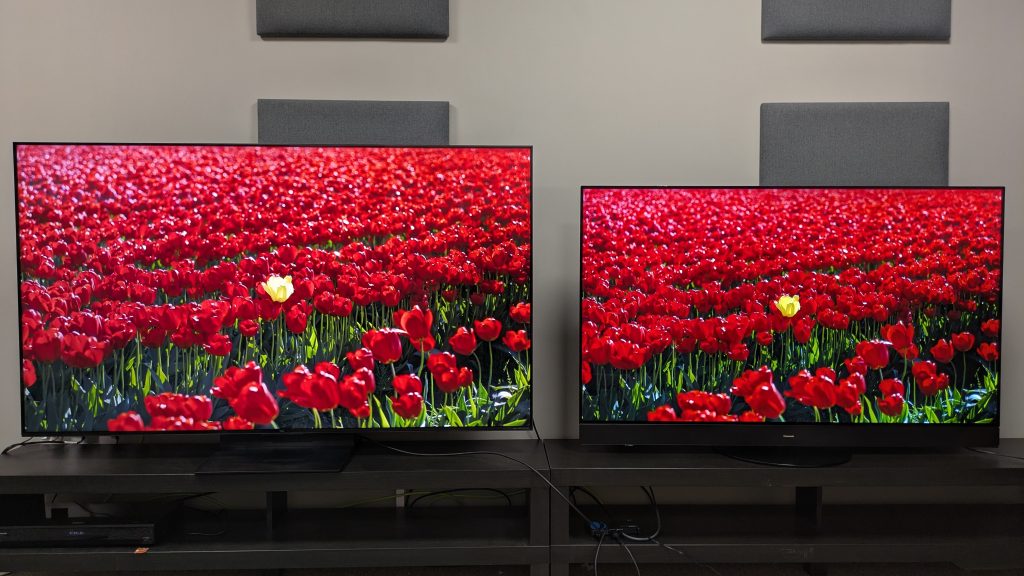
OLED and Mini LED take very different approaches to producing an image on screen. OLED (Organic Light Emitting Diode) panels are self-emissive, meaning each pixel produces its own light and can turn completely off when displaying black. This results in true blacks and near-infinite contrast, which is a huge advantage when watching dark scenes in movies.
Mini LED, on the other hand, is an advanced version of traditional LED-backlit LCD TVs. Instead of large backlight zones, Mini LED uses thousands of tiny LEDs grouped into many dimming zones. This allows for better brightness control and improved contrast compared to standard LED TVs, but it still relies on a backlight rather than individual pixel control.
Why OLED Feels More Cinematic
For movie enthusiasts, OLED often feels closer to the experience filmmakers intend. Because each pixel can switch off entirely, dark scenes appear truly black rather than grayish. This is especially noticeable in genres like sci-fi, horror, or drama, where shadow detail and contrast are critical for immersion.
Another advantage of OLED is viewing angles. When watching movies with friends or family from different positions in the room, colors and contrast remain consistent even off-axis. With many Mini LED TVs, the image can slightly wash out when viewed from the side, depending on the panel type.
Color accuracy is also a strong point for OLED. Many OLED displays are tuned to deliver highly accurate tones, which helps preserve the director’s intended look, whether it’s the warm palette of a period drama or the vibrant style of an animated film.
Where Mini LED Has the Edge
That said, Mini LED is far from a weak contender. Its biggest advantage is brightness. Mini LED TVs can get significantly brighter than most OLED models, which makes them a strong choice for bright living rooms where controlling ambient light is difficult. If you often watch movies during the day or in rooms with large windows, the extra brightness can help maintain image clarity and prevent glare from washing out the picture.
Mini LED is also less prone to image retention concerns that some users associate with OLED, even though modern OLED panels have significantly improved in this area. For viewers who mix a lot of static content, like news channels or gaming HUDs, alongside movies, Mini LED may offer additional peace of mind.
HDR Performance and Real-World Movie Watching
High Dynamic Range (HDR) content is where the OLED vs. Mini LED debate becomes even more interesting. OLED excels at displaying precise highlights against deep blacks, giving scenes a dramatic, high-contrast look that feels very cinematic in dark rooms. Explosions, stars in the night sky, and subtle lighting effects appear extremely detailed and natural.
Mini LED, thanks to its high brightness, can deliver very punchy HDR highlights that really pop, especially in scenes with intense brightness like sunlight reflections or fireworks. However, because dimming is controlled in zones rather than per pixel, some blooming or halo effects may occasionally appear around bright objects on dark backgrounds.
Which Is Better for Movie Lovers?
If your priority is a true cinema-like experience in a controlled lighting environment, OLED is often considered the top choice. Its perfect blacks, excellent contrast, and consistent viewing angles create a more immersive feel, especially for nighttime movie sessions.
However, if you watch movies in a bright room and want the screen to stay vivid even with ambient light, Mini LED can be a fantastic option. The higher brightness levels and strong HDR impact make it very versatile for mixed viewing conditions.
Ultimately, the “better” technology depends on how and where you watch movies. Both OLED and Mini LED represent major advances over older display technologies, and either one can deliver stunning visuals when paired with high-quality film content.
For viewers exploring the future of television experiences and curated streaming channels, platforms like https://www.choose.tv highlight how display technology and modern content delivery are evolving together. As streaming continues to grow and FAST channels become more popular, choosing the right display type becomes even more important for enjoying movies the way they were meant to be seen.
In the end, OLED tends to win for pure cinematic immersion, while Mini LED shines in brighter environments with eye-catching HDR brightness. Knowing your viewing habits and room setup will guide you to the right choice—and either way, today’s premium TVs are more capable than ever of delivering a true movie theater experience at home.