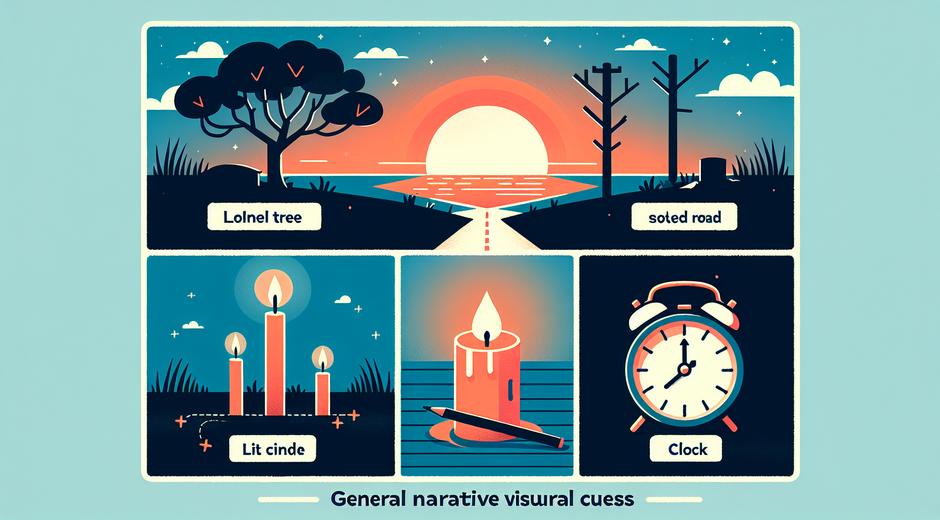


Narrative Visual Cues in Film: How Images Tell Story
Narrative Visual Cues are the silent language of cinema. They guide the audience without words by shaping mood tone and meaning through composition color lighting movement and editing. On a site dedicated to all movie categories like moviefil.com filmmakers critics and curious viewers explore how these cues work in every type of film from intimate drama to grand scale spectacle. This article breaks down the core types of Narrative Visual Cues the way they operate and how creators can use them to lift a scene from simple action to resonant story.
What Are Narrative Visual Cues
Narrative Visual Cues are any visual element that communicates information about character motive time place or theme. These cues include but are not limited to framing choices camera movement costume color palette set design props and light direction. When assembled thoughtfully they form a coherent visual grammar that helps an audience infer subtext and follow complex emotional arcs without explicit explanation. Understanding these cues improves appreciation of film craft and helps creators make clearer more engaging stories.
How Framing Shapes Story
Framing is one of the most immediate Narrative Visual Cues. How a subject is placed within the frame can suggest power distance emotional isolation or connection. A tightly framed face tells us to focus on an inner state while a wide frame that leaves a character small in a large world can signal vulnerability. Directors and cinematographers use framing to decide what the audience should notice and what should remain ambiguous. Because framing is so direct it is often the first place to refine when trying to strengthen narrative clarity.
Color as a Narrative Visual Cue
Color works on both conscious and unconscious levels. Warm tones can suggest comfort passion or danger depending on context while cool tones often signal calm distance or melancholy. Filmmakers create visual arcs by shifting color throughout a film to mirror a character change or to mark a shift in reality. For example a story that begins with muted tones and moves to richer saturated color can imply renewed hope or a new perspective. Color connects to costume production design and color grading so it is a central tool in the visual toolkit.
Light and Shadow in Storytelling
Lighting is a critical Narrative Visual Cue for establishing mood and revealing character. Hard lighting with deep shadows can create tension or concealment while soft lighting with gentle fall off will often feel safe or intimate. Backlight can create halo like separation that implies importance or otherness. Directors of photography use light to sculpt faces to show age soft emotion or moral ambiguity. Playing with light and shadow allows filmmakers to hint at secrets and to steer the emotional response in a scene.
Movement and Kinetic Cues
Camera movement and actor blocking are narrative tools that dictate rhythm and focus. A slow tracking shot can build suspense or allow the audience to take in visual detail while quick cuts and handheld movement can drive energy and chaos. Movement also signals relationships. When two characters move in sync they feel aligned. When a camera follows a single character through a crowd that character becomes isolated or driven. Choosing how and when to move creates a subtle guide to what matters in a sequence.
Editing Choices as Visual Language
Editing constructs time and logic between shots. Montage can compress time and create thematic links through associative imagery. A simple cut on action preserves spatial continuity and keeps the audience immersed. A jump cut or a match on graphic detail will call attention to form and meaning. Rhythm timing and pacing are all Narrative Visual Cues embedded in editing that shape the viewer experience. Good editing makes invisible connections feel inevitable.
Production Design and Props that Speak
Every object on screen can function as a Narrative Visual Cue. A well chosen prop can reveal history status or desire. Set detail anchors the story world and gives actors tactile clues to inhabit their roles. Production design can also create contrast between characters and environment that highlights inner conflict. Small elements like a cracked mug a photograph or a worn jacket accumulate and carry narrative weight when placed intentionally.
Acting Choices and Gesture as Visual Signals
An actor communicates through micro expression posture and gesture. Sometimes a slight shift of gaze or a suppressed smile provides more narrative information than a long monologue. Directors translate story intent into physicality through rehearsal and direction so that these subtle cues are consistent with the larger arc. When acting and visual design align the scene becomes layered with meaning that rewards close attention.
Genre Specific Use of Narrative Visual Cues
Different movie categories emphasize different visual vocabularies. Horror films may rely on shadow and negative space to create anxiety. Comedy often uses bright steady light and symmetrical framing to keep attention on timing and reaction. Romance favors soft warm palettes and lingering close ups. Action cinema uses dynamic framing and fast editing to maintain momentum. Even within a single film cues can shift to support tonal changes making sure the audience is aware of the new narrative context.
Practical Steps for Filmmakers and Writers
To use Narrative Visual Cues effectively start by defining the emotional objective of each scene. Ask what you want the audience to feel and what information you need them to infer. Then choose one or two visual devices to carry that objective. Overloading a scene with competing cues can dilute impact. Sketch storyboards focus on key frames and test them in rehearsal. Consider how color and light will evolve across the full story arc so changes feel earned. Collaborative planning with cinematography production design and wardrobe helps unify visual language.
How Audiences Learn to Read Visual Cues
Audiences become fluent in Narrative Visual Cues through repeated exposure. Classic examples from global cinema form reference points that inform how viewers interpret newer films. Critics and educators often point out these cues to deepen appreciation and help casual viewers notice intention. Sites focused on film analysis collect these insights so readers can return to a film with new eyes and discover layers previously missed. For deeper analysis and more movie content visit moviefil.com where categories span classic and modern work offering context and examples.
Measuring Impact and Reaching an Audience
Understanding Narrative Visual Cues is also useful for the business side of film. Marketing teams select key frames and posters that translate a film tone into a single image. Festival programmers assess whether the visual voice of a film matches their audience. Producers and investors consider how a clear visual concept can make a story marketable. For resources that bridge creative insight and financial context see FinanceWorldHub.com which offers a view into financing models that support visually driven projects.
Final Thoughts on Narrative Visual Cues
Narrative Visual Cues are the backbone of cinematic storytelling. They let filmmakers show rather than tell. Mastery of these cues empowers creators to craft stories that resonate on emotional intellectual and visual levels. For viewers the more you learn to recognize these cues the richer your experience of movies will be. Study films scene by scene note the choices that guide your response and you will gain a deeper appreciation for the craft and the many subtle decisions that bring a story to life.
Whether you are a creator critic or casual fan learning to read Narrative Visual Cues opens a new dimension of cinema. It transforms viewing into active interpretation and reveals how visual design shapes narrative meaning in every frame.