

Long Take The Art of Extended Camera Performance
The term Long Take has become a staple in film discussion and criticism. Filmmakers use a Long Take to create real time tension emotion and a sense of immersion that quick cuts cannot match. From classic cinema to contemporary blockbusters the Long Take reveals an editor free storytelling technique where camera movement choreography lighting and actor timing must work in perfect harmony. If you want to dive deeper into examples and curate a watch list visit moviefil.com for curated content and analysis that highlights the best Long Take sequences across genres.
What Exactly Is a Long Take
A Long Take is a single continuous shot of extended duration that avoids the use of edits or cuts. This technique can last from several seconds to several minutes or even the entire runtime of a short film. The creative intention behind a Long Take is diverse. Directors use it to maintain temporal continuity to build tension to reveal character dynamics without interruption and to showcase technical choreography. The viewer experiences events in a sustained unbroken flow which often feels more intimate and immediate than rapidly edited sequences.
Historic Roots and Evolution of the Long Take
The Long Take is not a modern invention. Early filmmakers experimented with longer exposures to capture theatrical performances. As camera technology improved directors began to explore longer shots for narrative reasons. Alfred Hitchcock used extended takes to heighten suspense. Orson Welles and Orson Welles collaborator on visual experimentation brought attention to extended camera movement in classic cinema. Later filmmakers such as Kenji Mizoguchi and Yasujirô Ozu refined the form in ways that influenced generations.
In recent decades the Long Take has seen a renaissance thanks to advances in camera stabilization lightweight rigs and digital workflows. Filmmakers now plan complex sequences that travel across interiors exteriors and crowded spaces without breaking the illusion of continuous time. The result is a renewed appreciation for planning rehearsal and technical precision in pursuit of a single uninterrupted performance.
Technical Challenges and Directing Choices
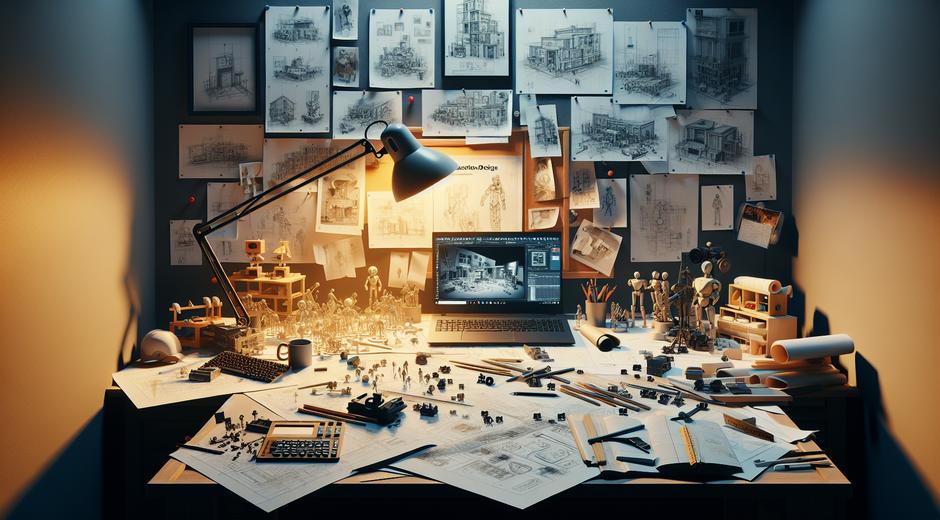
Executing a compelling Long Take requires meticulous planning. Camera operators must coordinate movement while cinematographers manage lighting that works for all angles as actors hit precise marks. A director must choreograph actors and extras so that each beat arrives at the right moment. Common tools include handheld rigs Steadicam dollies and cranes. Digital cameras with high capacity storage and reliable power have made longer takes more feasible than in the past.
Sound design is equally important. A Long Take often relies on live ambient sound or a carefully mixed single track. Boom operators and on set sound mixers must be invisible yet precise. Any mistake can force a reshoot which can be costly when dozens of cast and crew are involved. Because of these constraints directors sometimes rehearse a Long Take more like a stage play than a typical film shoot.
Memorable Long Take Examples That Shaped Cinema
Several sequences stand out as exemplary demonstrations of the Long Take. In classics like a famous opening of a crime film the Long Take serves as a master class in building atmosphere and character introduction. In another era a director used tracking shots to move through a bustling nightclub in a continuous flow that reveals social dynamics and character ambition. More recently films have used extended takes to simulate real time crisis scenes where the absence of cuts amplifies panic and urgency.
These sequences prove that the Long Take can be used for many purposes. It may showcase a single character journey or map a complex environment. It can emphasize realism or underscore theatricality. The key is how the shot supports the story rather than becoming an exercise in technique alone.
Psychology and Audience Engagement
The Long Take affects viewers on a psychological level. Without cuts the audience has no place to rest. Attention is held in a continuous arc which can increase empathy or heighten suspense. The uninterrupted perspective also invites viewers to scan the frame for details creating a richer visual experience. In scenes that rely on emotional nuance a Long Take allows actors to develop moments that editing might otherwise break apart.
Because of its immersive power the Long Take can also be risky. If the pacing is off or the scene lacks a compelling focal point viewers may perceive it as self indulgent. The most successful Long Takes balance technical virtuosity with narrative necessity ensuring that the viewer feels the payoff for their sustained attention.
Practical Tips for Filmmakers Planning a Long Take
If you are a filmmaker eager to try a Long Take start with strong planning. Block the scene like a stage play and mark actor positions. Rehearse until movement becomes second nature. Consider lighting strategies that accommodate camera movement and exposure changes. Use wireless communication so that crew can coordinate without visible cues. When possible test with a camera that matches your final shooting format to avoid surprises in framing or focus.
Think about transitions inside the frame rather than relying on invisible edits. You can hide practical changes behind natural action such as a door closing or a character walking past the camera. Sound continuity is crucial so plan ambient tracks and wild lines carefully. Finally embrace the possibility that multiple takes may be necessary to capture a perfect performance. Each attempt builds muscle memory for cast and crew and brings you closer to a rewarding continuous shot.
Tools Resources and Continued Learning
There are gear and educational resources that can accelerate learning. Tutorials and equipment rentals can help you practice complex moves and coordinate multi actor scenes. For filmmakers seeking tutorials or tools to support long form camera work consider exploring productions resources and community platforms like Zoopora.com where workshops and gear recommendations can be found. Combining hands on practice with curated learning resources will accelerate your ability to plan and execute Long Take sequences effectively.
Conclusion
The Long Take remains a powerful tool in cinema when used with purpose. It requires a blend of technical skill artistic vision and disciplined rehearsal. Whether your aim is to intensify a thriller to deepen character intimacy or to showcase choreography the Long Take rewards careful planning and creative risk taking. As camera technology and creative approaches continue to evolve the Long Take will remain a definitive way to connect audiences to cinematic time and space in a direct and memorable way.