

Practical Effects The Art That Brings Movies to Life
Practical Effects are a cornerstone of cinematic storytelling. From the squelch of a creature emerging from foam to the precise collapse of a set piece crafted for one perfect shot Practical Effects create a tangible reality that connects with audiences in a way that virtual techniques sometimes cannot. This article explores why Practical Effects remain vital in modern filmmaking the core techniques practitioners use and how filmmakers can balance hands on craft with digital tools to achieve unforgettable moments on screen.
Why Practical Effects Matter
At its core Practical Effects put real objects and real physics in front of the camera. This reality translates into natural lighting responses authentic textures and organic motion that actors can interact with. Those interactions yield performances that feel grounded and spontaneous. Directors and cinematographers often prefer Practical Effects when they want an immediate interactive element that informs framing lighting and timing on set.
Audiences also respond to the physical presence of a Practical Effect. Even when viewers cannot articulate why an effect feels more convincing they often sense the weight and presence of something tangible. That emotional resonance is part of why classics continue to be celebrated and why new productions still invest in techniques that were pioneered long before computer imagery became widespread.
Core Techniques and Tools of Practical Effects
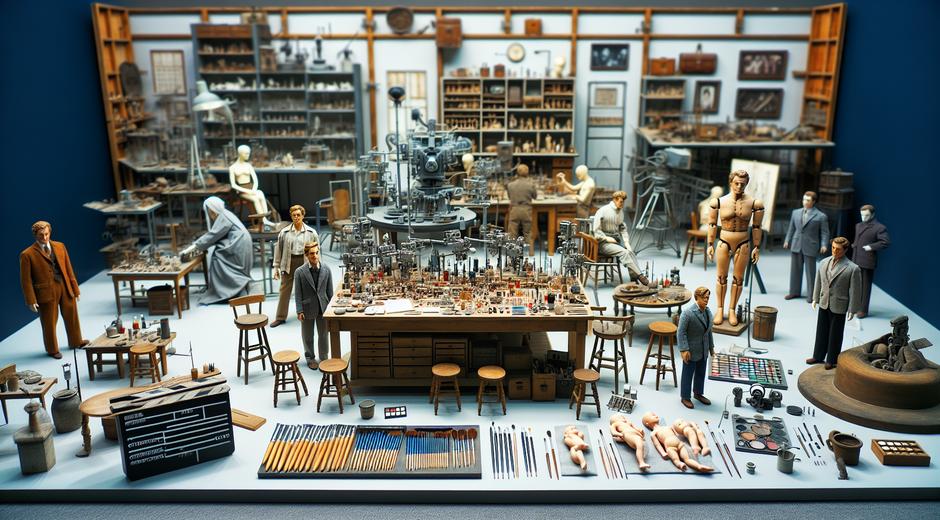
Practical Effects encompass a wide array of disciplines. Special effects makeup uses prosthetics latex and silicone to transform actors into creatures or injured characters. Mechanical rigs and animatronics bring puppets and machines to life with servos cables and carefully timed movements. Pyrotechnics controlled explosions and sparks deliver real danger and spectacle under strict safety protocols. Miniatures and scale models allow epic environments and destruction sequences to be shot safely and economically. Finally atmospheric effects such as fog rain and wind create mood and enhance cinematography.
Each technique requires its own set of tools and expertise. Makeup artists sculpt molds and blend paints to achieve believable skin textures. Machinists and fabricators build frames and joints that can withstand repeated takes. Safety technicians design rigs that protect cast and crew during dynamic sequences. Collaboration among departments is essential so that the effect reads well on camera and integrates with camera movement lighting and actor blocking.
Iconic Examples of Practical Effects in Film
History offers many landmark examples where Practical Effects defined a film. Creature design that used elaborate suits puppets and animatronics has left lasting cultural marks. Films that relied on scale models for futuristic cityscapes or collapsing structures often achieved a sense of scope that felt believable even at close range. In horror genres Practical Effects makeup and prosthetics create visceral scares that linger long after the scene ends. These landmark moments demonstrate how Practical Effects can become signature elements that define both tone and legacy.
Modern filmmakers often study these classic examples to understand how timing texture and physical lighting contribute to an effect that reads as authentic. The knowledge of how to mix materials manipulate scale and hide mechanics on camera remains highly valued and continues to inform new methods and hybrid approaches.
How Practical Effects Complement Digital Techniques
Practical Effects are not an either or proposition when compared to digital techniques. Instead they are powerful complements. Many productions combine a physical core effect with digital cleanup and augmentation. For example a practical creature head can react to a performer while digital tools extend motion or refine textures in post production. A miniature explosion can be enhanced with digital debris and compositing to match scale and perspective.
This blended approach leverages the strengths of both domains Practical Effects provide the tactile reference and interactive presence while digital tools offer flexibility and polish. The result is often a more convincing final image than relying solely on either approach. Directors who plan effects early in pre production and maintain collaboration between practical and digital teams tend to achieve smoother integration and higher quality outcomes.
Design Principles for Effective Practical Effects
Successful Practical Effects start with clear design goals. Filmmakers must define what emotion the effect should evoke how it should read on camera and how it will interact with actors. Scale is a crucial consideration as is material choice. Some materials respond to light in ways that mimic skin others catch highlights that read like metal or glass. Choosing the right material and surface treatment prevents the uncanny valley and helps the eye accept the effect as part of the world.
Timing and control are also essential. Effects must be repeatable or at least controllable across multiple takes. Designers build redundancy and fail safes into rigs to minimize production delays. They also storyboard camera angles and rehearsals to ensure the effect will appear as intended. When safety and repeatability are prioritized the production can maintain momentum while achieving high quality results.
Training and Career Paths in Practical Effects
Careers in Practical Effects span makeup fabrication mechanics rigging and special effects supervision. Aspiring practitioners benefit from hands on training in sculpture casting and basic electronics as well as an understanding of film terminology and set culture. Many professionals start with art or makeup schools apprenticeships or entry level roles in prop and construction departments. Building a strong portfolio that showcases work in controlled lighting and on camera will open doors to higher level projects.
Workshops online tutorials and local maker spaces offer opportunities to learn fundamental techniques such as mold making and foam fabrication. Collaborating on student films or independent projects provides real world experience and helps establish a network. Practical Effects is a craft oriented field where demonstrated problem solving and reliability are as valuable as formal credentials.
Practical Effects and the Future of Filmmaking
As technology evolves Practical Effects will continue to adapt. New materials and fabrication techniques offer lighter stronger and more realistic results. Advances in robotics and control systems enable more nuanced animatronics while 3D printing accelerates prototyping and customization. At the same time the human element of craftsmanship remains central. The best effects combine creative problem solving with technical skill and artistic intent.
For filmmakers and fans alike Practical Effects represent a living tradition that bridges generations of craft. If you want to explore current projects reviews and deep dives into both Practical Effects and digital workflows visit moviefil.com where coverage highlights techniques interviews and behind the scenes features. For more ways to support work that showcases practical craftsmanship check curated resources and featured behind the scenes galleries at Moviefil.com.
Conclusion
Practical Effects remain an essential part of the filmmaker tool kit. They deliver texture presence and authenticity that often resonate more deeply with audiences. When combined thoughtfully with digital techniques Practical Effects help create cinematic moments that are both believable and emotionally powerful. For creators who value hands on craft and for viewers who cherish tactile cinematic worlds Practical Effects will continue to be a source of innovation inspiration and enduring wonder.