

Comedy Timing
What Comedy Timing Means and Why It Matters
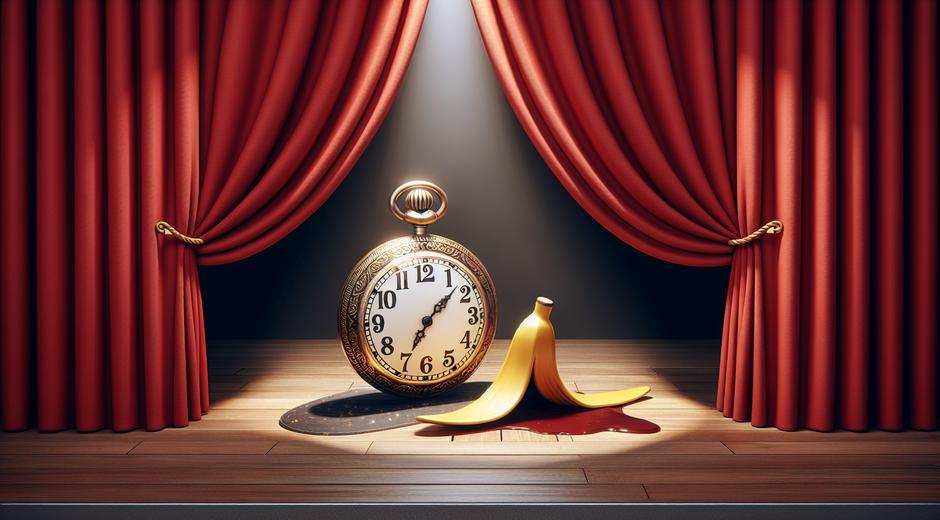
The phrase Comedy Timing captures the art of placing words and actions at the exact moment that maximizes laughter. Whether in film or on stage the rhythm and pause that an actor chooses can turn a simple line into a memorable moment. For directors writers and editors understanding Comedy Timing is essential to shaping the emotional arc of a scene and to delivering the right payoff for a setup. This article explores practical techniques that performers and creators can use to improve timing and to create scenes that land with impact.
The Core Elements of Comedy Timing
Comedy Timing rests on a few core elements. The first is setup. A setup is the information that prepares the audience so that a contrast or surprise can occur. The second is contrast and release. Comedy often asks the audience to hold tension and then gives a release that comes as a twist or unexpected detail. The third is rhythm. Rhythm in dialogue and movement controls the flow of expectation. The last is economy. Saying only what is needed avoids clutter and sharpens the arrival of the laugh.
Actors work on rhythm through rehearsal and through listening. Good timing is as much about reacting as it is about delivering lines. Reaction can be facial movement body language or silence. A well placed silence can speak louder than a long sentence. Editors support timing by choosing when to cut to a reaction shot or when to hold on a single frame to let a beat breathe. Directors set the tempo of a scene with blocking camera placement and pacing choices that give actors the space to land their beats.
How Writers Craft Moments That Allow Great Timing
Writers create the conditions for timing by structuring beats across a scene. Effective scripts often repeat a small motif or a pattern and then break the pattern to produce a funny moment. A scene that repeats a rhythm teaches the audience how to expect the next beat. When a line arrives that breaks that expectation the result can be a strong laugh. Dialogue that is clear and specific gives an actor a firm base for choosing when to speed up slow down or pause. Clear beats let directors and editors find the natural pause points that enhance Comedy Timing.
Another tool writers use is contrast between tone and action. A calm delivery about an outrageous event can be funnier than an emphatic delivery. The mismatch between how a character speaks and what they describe can create ironic distance. Comedy Timing leverages this contrast with careful placement of lines that hide the twist until the very moment of reveal.
Practical Exercises for Actors to Improve Timing
Actors can sharpen timing with simple exercises. One is the repetition game where two performers repeat a phrase and change a single element each time. The repetition builds a rhythm and the small change can reveal where a pause will have maximum effect. Another exercise is to perform a scene at different speeds. Speed work helps actors learn which beats work faster and which need more space. Practicing with different energy levels and listening to scene partners also trains sensitivity to the moment when a laugh will land.
Cold reading practice is useful too. When actors read unfamiliar material they must rely on instinct and listening. This builds reflexive timing. Recording scenes and reviewing choices with a coach or director lets an actor see how milliseconds of timing change the audience response. Many performers find that cutting extra words and aiming for clarity improves their comedic presence because it removes obstacles that block the setup or punchline.
Editing and Camera Choices That Shape Timing
In film the editor is a chief architect of Comedy Timing. The choice to hold on a reaction or to cut away quickly can transform the tone of a joke. A long take can build tension and make the eventual release feel larger. A quick cut can speed up the joke and add slapstick energy. Camera framing also matters. A close up on a face at the exact moment a character processes an absurd line amplifies the laugh. A wide shot that shows physical absurdity creates a different kind of comic effect. Directors and editors collaborate to choose which beats to emphasize and which to let pass quickly.
Sound design is another tool. The absence of sound can be a kind of pause that heightens attention. A small cue like the sound of a door closing or a matching music sting can underline a punchline. Good Comedy Timing in film is an ecosystem of dialogue acting camera work editing and sound that all support a single pulse of surprise and release.
Timing in Different Comedy Styles
Timing varies across comedy styles. In stand up timing may focus on the structure of the joke from setup to punchline to tag. In sketch work timing can hinge on rapid shifting of roles and a chain reaction of reactions. In situational comedy timing often relies on the steady escalation of stakes until the final beat breaks the tension. Improvisational comedy requires performers to make timing decisions in the moment often based on audience energy. Each style has its own rules but they all share the principle that well placed beats produce stronger laughs.
Observing performers across genres helps develop a toolkit. Classic film comedians used physical timing and precise choreography. Modern comedians lean into conversational timing that feels natural and alive. Both approaches teach a student of humor how to listen for the ideal observation point where a joke will flourish.
How Directors Teach Timing on Set
Directors set the tempo through rehearsal direction and by choosing which takes to keep. A director might ask an actor to try a scene with a lot of patience then with a lot of urgency. This variety allows the editor to select the rhythm that best supports the story. Directors also guide blocking so that visual payoffs are perfectly staged for a punchline. A prop placed at the right moment can complete a joke. Directors who understand Comedy Timing give actors ownership of beats while maintaining the larger pacing of the sequence.
Open communication on set helps. Actors need to know the emotional truth of the scene so they can make timing choices that feel real. When timing is judged only by how funny it is the scene can feel hollow. Great directors balance the need for a laugh with the integrity of the character moment.
Using Audience Feedback to Refine Timing
Testing material with small audiences helps refine timing. Live comedy thrives on immediate feedback and the ability to adjust on the fly. Film editors use test screenings to see where audiences laugh and where they do not. These insights guide trimming and rearranging beats so the final cut lands more consistently. Sometimes a joke that works on paper fails in the room because the setup is too long or the delivery is unclear. Audience feedback points to the exact element that needs tightening.
Directors and writers should embrace this iterative approach. Comedy Timing improves when writers and performers can see how their choices read in front of others. The revision process is not a sign of failure but of refinement. Great comedy is often the product of many small adjustments that cumulatively sharpen the timing.
Tools and Resources for Studying Timing
There are many ways to study Comedy Timing. Watching films and shows with a focus on the beat structure teaches observational skills. Break scenes into sequences and note how long the pause is before a reaction. Read scripts and then watch the filmed version to compare the timing choices that were made. Workshops and master classes with experienced performers offer hands on practice. Online platforms and dedicated communities provide feedback and critique that can accelerate learning.
If you work on a film site or curate content for a program there are helpful resources that explain timing in both theory and practice. For example you can find production tools and tutorial services that make it easier to rehearse record and review scenes. For production assistance and workflow tools explore partners that offer editing solutions and coaching tools such as Fixolix.com which provides services tailored to creators who want to sharpen timing in their projects. For inspiration and curated content about film and acting visit moviefil.com to explore articles interviews and examples that showcase strong Comedy Timing across genres.
Final Thoughts on Mastering Comedy Timing
Comedy Timing is an essential craft for anyone who wants to make people laugh on screen or on stage. It combines writing acting directing and editing into a single coordinated effort. The best practitioners study rhythm listen closely and are willing to trim any element that slows the beat. Practice and feedback are the fastest routes to improvement. By focusing on clear setups precise rhythm and the courage to pause performers and creators can turn simple lines into moments that audiences remember long after the credits roll.
Whether you are a performer a writer or a behind the camera creative the principles in this article can be applied to any project. Start small experiment with pacing listen to the audience and keep refining. Over time your sense of moment and rhythm will grow and your comedy will land with authority and joy.