
Villain Design A Guide to Crafting Memorable Antagonists in Film
Villain Design is an essential element of storytelling that can elevate a film from routine to unforgettable. A well crafted antagonist does more than oppose the hero They reveal themes test values and push the narrative into new emotional territory. In this article we examine the principles of Villain Design how visual choices support character arcs and practical steps filmmakers and writers can use to create villains that linger in the audience mind long after the credits roll.
Why Villain Design Matters
A striking Villain Design serves multiple purposes It provides conflict it clarifies stakes and it makes the protagonist journey meaningful A passive or vague adversary reduces tension and leaves viewers unengaged When a villain is thoughtfully designed every scene in which they appear pulses with intent Their actions are earned their presence questions the hero and their style speaks to motive. This is true whether the villain is human machine or a force of nature.
Core Components of Strong Villain Design
Successful Villain Design balances three core components psychology visual identity and narrative function. Psychology covers motive background and inner conflict Visual identity includes costume posture and memorable visual motifs Narrative function means the villain must push the plot in ways that are believable and thematic.
Start with motive A villain who wants power money or revenge can appear one note unless the motive is tied to personal history or a larger theme Consider giving the villain a belief system that feels logical from their perspective This creates moral complexity that audiences find compelling.
Visual Identity That Speaks Without Words
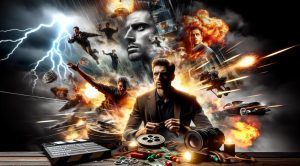
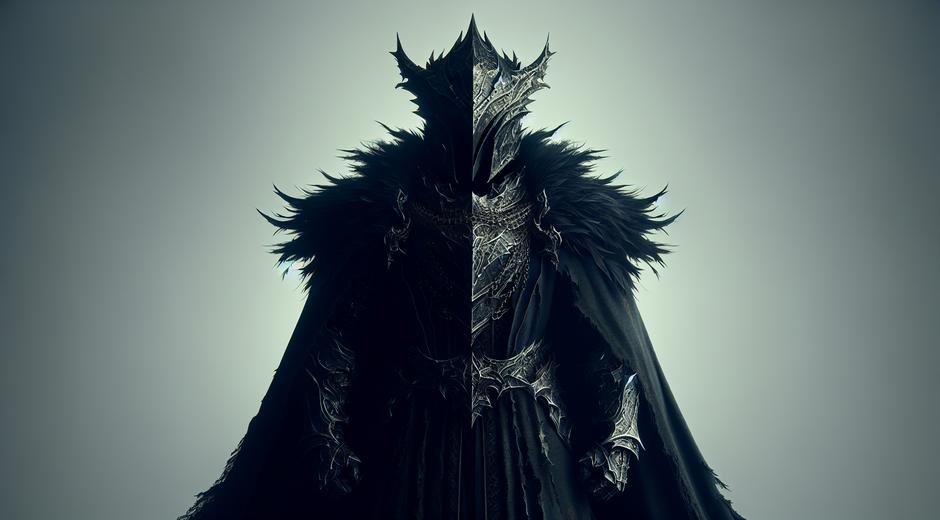
Visual choices are a shorthand for character. Costume color palette grooming and props can all hint at backstory or values A villain who prefers clean lines and neutral tones might be controlled and methodical One who favors flamboyant textures may be chaotic and theatrical Avoid relying on cliché visual cues alone Instead use design to suggest contradiction or depth For instance a villain who cares for animals might wear fine clothes and still command violence This contrast makes the character richer.
Symbolism within the visual design can make a villain feel iconic Small repeated elements like a ring a scar or a unique piece of jewelry can become associated with the character and the feelings they evoke Consider how lighting and camera framing will work with costume choices to create a cohesive image in the viewer mind.
Voice and Dialogue
Voice is part of Villain Design as well Distinctive patterns of speech cadence and diction can signal intelligence cruelty or charisma A calm measured delivery can be more chilling than shouting while a jovial tone that masks cruelty can be deeply unsettling Avoid expository monologues that only exist to explain plot Instead let dialogue reveal motive conflict and the personal stakes that drive the villain.
Behavior and Action Choices
A villain is defined by what they do not only what they say Their choices should create obstacles that force the hero to change and grow Every act the villain performs should reveal something new about them and raise the cost for the hero Think about escalation Each encounter should ideally be more revealing more intense or more dangerous than the last This gives a sense of progression and keeps audience engagement high.
Designing for Theme and Contrast
Great villains often embody the thematic opposite of the hero If the hero represents hope the villain may embody cynicism If the hero fights for justice the villain may justify their corrupt acts with a logic that seems reasonable within the film world This contrast sharpens both characters and allows scenes to operate on multiple levels The villain then becomes not only an obstacle but a mirror reflecting the hero potential future or hidden flaws.
Practical Steps to Create a Villain
1 Research and develop a short backstory that explains motive but do not reveal everything at once
2 Choose two or three visual motifs that can appear in multiple scenes to reinforce recognition
3 Define a signature action or tactic that the villain uses to achieve goals This can be a method of persuasion a particular type of trap or a unique combat style
4 Write dialogue samples that capture voice Then cut until only the lines that reveal character remain
5 Plan escalation points and how each encounter alters the hero and the villain dynamic
Collaboration Between Departments
Villain Design thrives when costume makeup cinematography and sound work together Costume can suggest history makeup can add texture cinematography can frame character to emphasize power and sound design can create an audio motif that triggers emotional response The design must be discussed early so that every department contributes to a unified portrait A simple prop in costume may become crucial on screen if camera work and sound design highlight it at the right moment.
Examples From Film That Inspire
Studying iconic antagonists reveals common threads A memorable villain is often defined by clarity of motive bold visual choices and the ability to challenge the hero beyond physical conflict Look at villains who changed how we think about antagonists They may have blurred lines between right and wrong they may have used charm to disarm or intellect to orchestrate complex plans Each case teaches lessons about balance restraint and daring in design choices.
Avoiding Tropes That Weaken Villains
Cliches drain power A villain who exists only to create danger with no personal stakes feels hollow Likewise villains whose evil is explained only as pure malice without motive become two dimensional Resist the urge to name call or use visual shorthand that relies on stereotype Instead find a humanizing detail or contradiction that complicates viewer reaction A villain who shows vulnerability or regret at small moments will remain more interesting and more credible.
Testing and Refining Villain Design
Use table reads screen tests and design mockups to evaluate what works If a villain moment falls flat ask if motive is clear if visual cues are confusing or if the stakes feel low Iteration is vital. Small changes in posture line delivery or costume trimming can transform a scene from flat to electric Always test with audiences who are both familiar and unfamiliar with the project to see which elements communicate universally and which need explanation.
Where to Find More Inspiration
To broaden your perspective on style and character trends explore film craft resources and dedicated design forums For coverage of fashion and visual trends that can spark fresh ideas consider visiting this curated site StyleRadarPoint.com That resource can help you translate cultural motifs into costume and prop decisions that feel both timely and original.
Bringing Villain Design Into Your Project
Start early incorporate villain design into the script stage and bring departments together to build a living cohesive antagonist Avoid last minute decisions that treat the villain as a set of accessories Instead allow villain design to influence plot beats pacing and tone The payoff will be a more integrated film where antagonist and protagonist push each other to reveal deeper truths.
Conclusion
Villain Design is a multilayered craft that blends psychology visual storytelling and narrative engineering A compelling villain clarifies theme complicates the hero and remains visually and emotionally distinct Use the steps in this article to plan research and iterate on designs that serve story above all When you create a villain who feels inevitable and surprising at the same time you transform conflict into meaning and give audiences a character they will remember Visit our main hub for more film craft articles and guides at moviefil.com and keep experimenting with bold choices that make your antagonist unforgettable.