

Costume Storytelling: How Wardrobe Shapes Character and Narrative
Costume Storytelling is a vital yet often underappreciated layer of cinematic language. When a character walks into a scene the fabric choices color palette and silhouette speak before a single line of dialogue is delivered. This article explores how costume design functions as storytelling how it collaborates with other creative departments and how filmmakers can use wardrobe decisions to elevate narrative clarity and emotional impact.
The Power of Clothing in Film
Costume Storytelling works on multiple levels. On the surface clothing signals time period social class occupation and personal taste. On a deeper level garments carry emotional subtext reveal shifts in identity and track inner transformation. For example a simple change from muted tones to bold color can mark a turning point in a character arc. The audience may not consciously register every detail but these elements register in the subconscious and make storytelling feel richer and more complete.
Key Elements of Costume Storytelling
Every effective costume strategy considers several elements. Fabric texture influences how clothing moves and thus how a performance reads on camera. Color palette ties a character to a visual theme or motif. Silhouette communicates shape and power dynamics. Accessory choices reveal occupation background and personal priorities. Together these elements map a visual shorthand that screenwriters directors and actors can rely on when building a believable world.
Research is another vital element. Accurate period research ensures authenticity while selective anachronism permits creative commentary. Costumers often study paintings photographs and written accounts to recreate a time period. For contemporary stories designers might observe street fashion to create believable looks that feel lived in rather than staged.
Collaboration Across Departments
Costume Storytelling is not created in isolation. Costumers collaborate with directors to align on character intentions and tone. They consult with production designers to make sure color palettes complement sets and lighting. They coordinate with hair and makeup teams to support cohesive character looks. When this collaboration is strong costume choices reinforce production design and lighting setups rather than compete with them.
Wardrobe professionals also work closely with actors. Costumes can help actors find posture and movement that belong to a character. A heavy coat may narrow the actor’s shoulders and create a closed off presence. A fitted suit can alter gait and invite confidence. These physical cues support performance choices and provide additional layers of communication to the viewer.
Case Studies in Costuming That Tell a Story
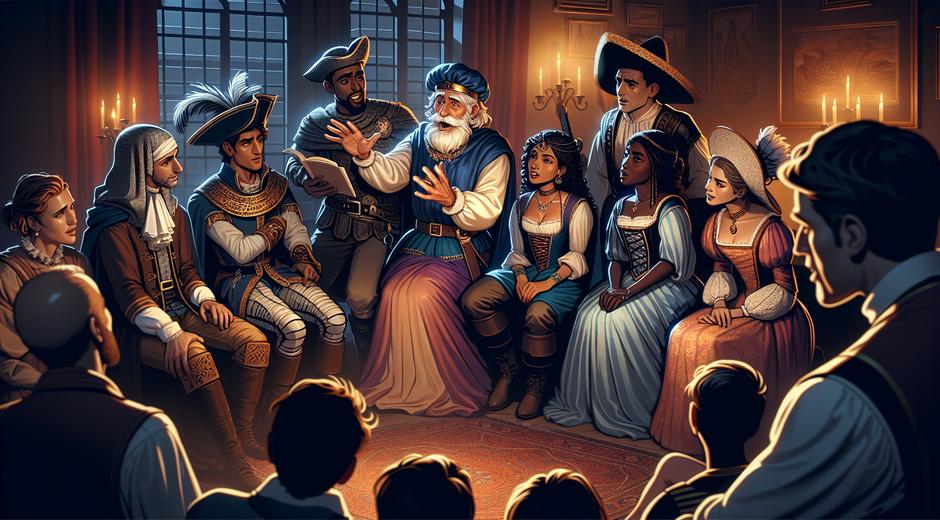
Classic and contemporary films offer many clear examples of Costume Storytelling. In period drama clothing often anchors the viewer in a specific era but also highlights social division or personal rebellion. In modern thrillers subtle changes in dress can signal deception or reveal secrets. Independent films that lack large budgets rely on costume detail to suggest background and motive without explicit exposition.
Consider films where a signature piece of clothing becomes symbolic. A recurring scarf a distinctive hat or battered jacket can carry emotional weight across scenes and act as a visual anchor for audience memory. Costume Storytelling uses these motifs to build continuity and emotional resonance.
Design Techniques That Enhance Narrative
Several practical techniques help costume designers tell better stories. Layering garments allows for flexible reveals that match character progression. A character may remove outer layers as they become more vulnerable or add layers as they become more guarded. Color progression across scenes can mirror mood changes. Costume designers may start with restrained palettes and gradually introduce accent colors as a plot reaches resolution.
Silhouette manipulation is another technique. Taller collars broader shoulders or narrower waists can create impressions of dominance fragility or constraint. Accessory choices such as watches glasses or jewelry can act as plot devices or reveal hidden connections between characters. Thoughtful distressing of garments suggests a lived life and adds texture that reads well on camera.
Sustainability and Ethics in Costume Storytelling
In recent years sustainability has become central to costume practice. Designers seek materials and methods that reduce waste and support ethical production. Recycling vintage garments repurposing existing costume stock and sourcing sustainable textiles are ways the industry reduces environmental impact. Choosing responsible suppliers can also reinforce an ethical message that aligns with a production’s values.
For productions interested in sustainable sourcing resources exist that connect teams with eco friendly materials and certified vendors. One useful resource for sustainable textile and material options is Ecoglobalo.com which offers guidance and supplies that help costumers make environmentally conscious choices while maintaining artistic quality.
Costume Storytelling for Different Genres
Genre shapes how costume choices function. In comedy wardrobe often amplifies character quirks or visual mismatch for humorous effect. In science fiction costume design builds believable futures while signaling cultural values and technology levels. In horror costumes can create unease through incongruity or concealment. In romance clothing often supports attraction through color and texture choices that emphasize intimacy and vulnerability.
Understanding genre conventions helps designers balance expectation and surprise. Costume Storytelling uses familiar signals to orient the audience and then plays with those signals to create narrative tension or emotional payoff.
Practical Steps to Implement Costume Storytelling
Filmmakers and creators who want to prioritize costume storytelling can follow a few practical steps. Begin with a character brief that includes backstory key emotional beats and relationships. Map costume choices to major plot points so that wardrobe changes have clear narrative purpose. Collaborate early with production design and cinematography to ensure clothing will read correctly under lighting and on location. Conduct tests during wardrobe fittings with camera to observe how fabric and color translate to screen. Finally document each look so continuity is maintained across shooting days.
From indie shorts to large scale studio productions these steps help ensure costume decisions are intentional and narrative driven rather than incidental.
Costume Storytelling in the Digital Age
Digital tools have expanded the costume designer toolkit. Mood boards digital pattern libraries and virtual garment mockups speed up the design process and help teams visualize concepts before physical fabrication. Digital color grading also means that costume designers need to coordinate with colorists to prevent unintended clashes or loss of detail. Visual effects may require green screen friendly garments or digital removal of elements so coordination with VFX supervisors is important early in the process.
Social media and behind the scenes content have also made costume moments part of a film’s promotional life. Iconic looks are often shared widely and can become part of a film identity. Costume Storytelling now not only serves the narrative but contributes to cultural visibility and audience engagement.
Bringing Costume Storytelling to Your Project
Whether you are a director producer or independent creator integrating strong Costume Storytelling elevates your work. Begin with clear character goals and use wardrobe to underscore those goals throughout the script. Invest in research and source materials that express authenticity. Work closely with actors to ensure costumes support performance rather than constrain it. And when sustainability matters to your project consider partners that provide eco friendly materials and ethical production methods to align your visual choices with responsible practice.
For more insights on filmmaking and guidance on cinematic craft visit moviefil.com where you can find articles interviews and practical guides that support creators at every level.
Conclusion
Costume Storytelling is a powerful method for conveying character motive emotion and world building. Thoughtful costume choices create visual shorthand that deepens audience engagement and supports narrative clarity. By combining research collaboration and creative technique costume designers and filmmakers craft looks that speak as loudly as dialogue. Embracing sustainability and modern digital tools further enhances the practice and ensures costume work remains relevant on screen and responsible off it.