

Set Design
Set design is one of the most visible and vital crafts in the world of cinema. It shapes the space that actors inhabit and helps tell the story without words. From intimate interior rooms to expansive imagined landscapes the work of a set designer influences mood tone and narrative clarity. This article explores the art and craft of set design with practical insights for creators students and movie lovers who want to understand how environments on screen are planned built and refined.
What Set Design Means in Film
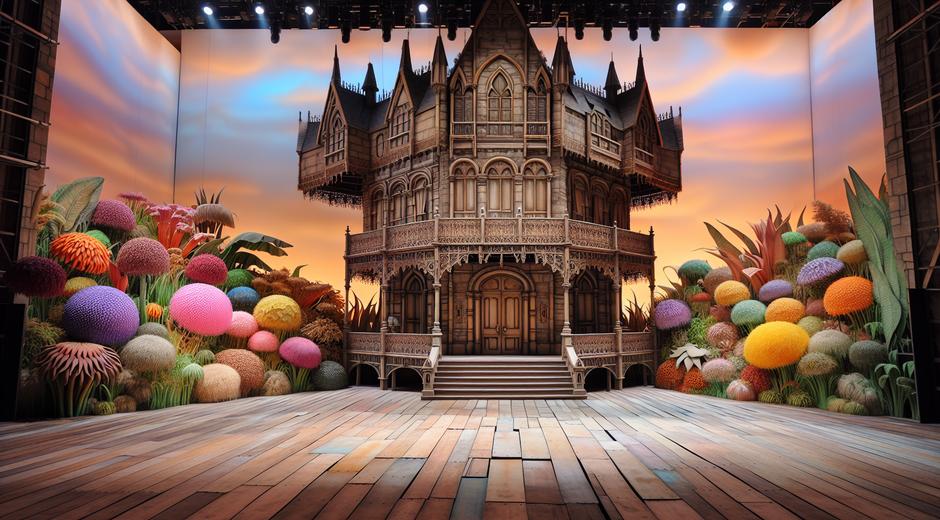
At its heart set design is the practice of creating physical and visual environments that support the story. A set can be a single room recreated on a soundstage or it can be an entire city built outdoors. Every object chosen every wall treatment every color and texture contributes to the audience perception of time place and character. Effective set design makes the world of the film feel lived in and authentic while also aligning with the director vision and the needs of the camera.
Key Roles in the Set Design Process
The set design team is led by the production designer who works with the director to define the overall visual world. The art director implements the production designer ideas managing budgets and coordinating craftsmen painters scenic artists and prop masters. The set designer produces detailed drawings and plans that carpenters and scenic builders use to construct the set. Collaboration with the cinematographer is essential to ensure that materials and layouts read well on camera under specific lighting conditions.
Stages of Set Design
The set design process typically moves through concept research design and execution phases. In concept work mood boards sketches and reference images establish a consistent visual language. Research ensures historical accuracy or internal logic when the story is set in a specific era or a unique imagined culture. During design the team creates plans scale models and elevations that spell out technical details. Execution brings the plans to life through building painting dressing and installation. At each stage problem solving and communication are crucial to keep the project on schedule and on budget.
Practical versus Digital Set Design
Modern filmmaking often blends practical built sets with digital extensions. Practical sets give actors tangible elements to interact with and provide realistic lighting behavior. Digital set extensions created through visual effects can expand environments beyond what is possible to build physically. The strongest results come from a hybrid approach where practical set design informs digital work and vice versa. When set designers collaborate early with visual effects teams they can plan edges and anchor points so digital artists can seamlessly extend the environment while preserving the physical set intent.
Materials Tools and Techniques
Choice of materials affects texture color and camera response. Traditional materials like wood plaster and fabric remain staples on many shoots. Modern alternatives such as foam timber and composite boards are valued for lower weight and faster installation. Scenic painting techniques age surfaces and create convincing details that read on camera. Props are chosen to reinforce character and story points. Set dressing is about creating layers of detail so that close ups and wide shots both feel organic and purposeful.
Budgeting Time and Resource Management
Set designers must constantly balance artistic ambition with practical constraints. Early planning helps allocate resources to the places where the visual payoff will be greatest. Prioritize scenes that will appear most often in the film or that carry emotional weight. Smart reuse of elements and modular design allow pieces to serve multiple purposes across scenes. Scheduling construction to match the shooting order reduces costly changes during production. A strong set design team finds creative ways to deliver high value within permitted budgets and timelines.
Collaboration with Other Departments
Set design does not operate in isolation. Costume design lighting and camera movement all interact with the physical environment. For example a costume color may clash with a wall palette so coordination is needed to ensure visual harmony. The production designer meets regularly with the director of photography to confirm that chosen materials perform well under planned lighting setups. Working closely with the prop department ensures continuity and availability of items that actors will use. The more integrated the collaboration the more coherent the film world becomes.
Iconic Set Design Examples and Lessons
Studying successful films reveals how set design elevates story. Classic interiors can become characters themselves shaping mood and generating symbolic meaning. In modern films deliberate choices such as minimalism or exaggerated scale can create emotional distance or disorientation. The lesson for practitioners is to think conceptually. A single visual motif repeated across locations can unify a film. Clever use of space can reveal character psychology without dialogue. Observing how masterful productions use color texture and proportion helps emerging set designers build a toolbox of effective strategies.
Tips for Aspiring Set Designers
If you are starting a career in set design begin by developing strong drawing and model making skills. Practice rendering spaces in different lighting situations and build small scale models to explore composition. Study architecture interior decoration and historical design to expand your visual vocabulary. Seek internships or assistant roles on productions to learn the workflow and craft techniques. Always document your work with high quality photographs that show details and full views. A clear portfolio that demonstrates concept research technical competence and finished results will attract directors and production designers seeking new collaborators.
Trends Shaping Set Design Today
Current trends include sustainable set practices and increased reuse of materials to minimize waste. Advances in LED volume technology allow immersive backgrounds that can be changed in camera offering new opportunities for interactive lighting and reflections. There is also revived interest in practical effects and craftsmanship as audiences respond to tangible texture and detail. Remote collaboration tools make it easier for international teams to share designs and for virtual scouting to happen before any physical build starts. Staying informed about these trends helps designers remain competitive and responsive to production needs.
How to Showcase Set Design Work
Presenting your work effectively matters for career growth. Build case studies that explain your concept decisions show before and after images and highlight problem solving. Describe the collaboration with other departments and quantify any budget or schedule innovations you introduced. Include video walkthroughs and 360 degree views when possible to convey spatial dynamics. Online portfolios and social platforms can attract attention but personal connections on sets remain a powerful path to new opportunities.
Resources and Further Reading
For those who want to explore set design in greater depth there are many resources available from books to online tutorials. Industry communities provide forums for sharing tips and job leads. You can find curated inspiration and technical articles at specialist sites and vendor pages that discuss materials and hardware choices. For general film coverage and category overviews visit moviefil.com where you will find articles that connect set design to broader production topics. If you are researching suppliers and equipment platforms check out Zoopora.com for product information and vendor directories.
Final Thoughts
Set design is a blend of artistry technique and collaboration. It requires sensitivity to story a facility with craft and the discipline to work within constraints. Great set design makes environments feel inevitable and cinematic choices feel inevitable. Whether you dream of building film worlds or simply want to appreciate the layers that make movies immersive set design offers endless opportunities to shape how audiences experience a narrative. Keep learning refining and building and your designs will bring stories to life in striking ways.