

Production Design: Crafting Worlds That Shape the Story
What Production Design Means for Film and Series
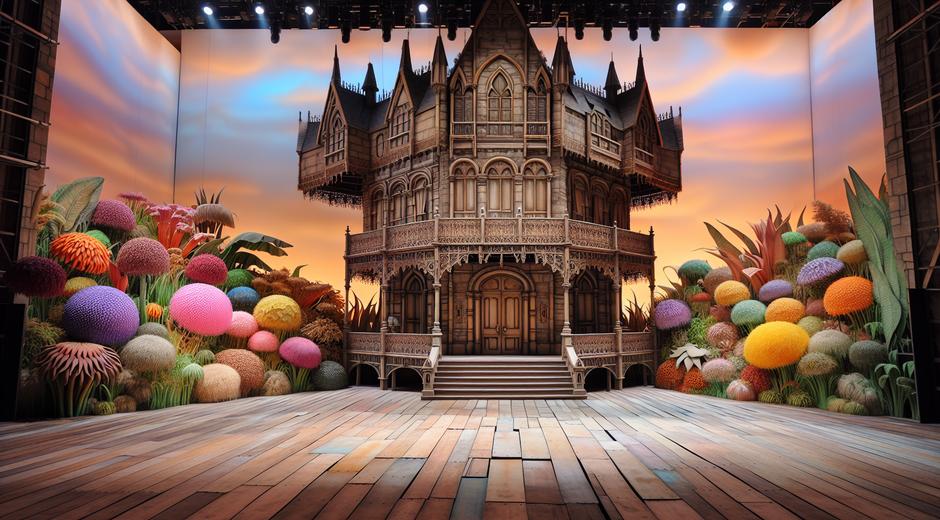
Production Design is the art and craft of creating the physical world that supports a film or series narrative. It is the visual backbone that informs tone, era, character and story logic. From architecture and furniture to props and color palette every choice made by a production designer communicates to the audience without words. A strong Production Design can make a low budget project feel epic and can lift a great script into a lasting cinematic experience.
Key Responsibilities of a Production Designer
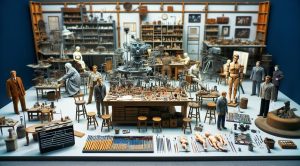
The production designer leads the visual development of a project. Typical responsibilities include concept development set design prop selection color planning and collaborating closely with the director cinematographer costume designer and visual effects team. They manage art department teams draft key sketches and oversee the construction and dressing of locations and builds. Their work begins in early stages and continues through principal photography to ensure visual continuity and narrative clarity.
How Production Design Shapes Storytelling
Every object and surface on screen can inform audience perception. For example a cluttered apartment can tell a story of chaos or survival while a pristine modern interior can suggest control or emptiness. Production Design controls mood through material textures lighting friendly or hostile color palettes and the placement of props that hint at character history. It also supports pacing by guiding viewer focus and enabling camera movement that complements the emotional beats of each scene.
Collaboration With Other Departments
Successful Production Design is never created in isolation. It is inherently collaborative. Visual choices must harmonize with cinematography so that camera and light reveal textures and color as intended. Costume choices must not clash with set colors unless that clash is a deliberate creative decision. Sound design and visual effects must be planned in advance to allow for practical elements that will blend seamlessly with post production work. This collaborative approach elevates the film and reduces costly reshoots.
Budgeting and Problem Solving
Great production designers are also pragmatic problem solvers. Working within budget constraints they find creative solutions that preserve visual intent while reducing cost. This can mean sourcing existing locations that require minimal dressing building partial sets that extend with visual effects or using clever prop placement to suggest a larger world. Good planning and an organized art department can save money and deliver high impact visuals that feel expensive even when the budget is modest.
Design Elements That Matter
Several core elements define effective Production Design. Color schemes guide emotional response and help separate narrative threads. Texture and material choices add tactile authenticity. Architecture and spatial design influence camera blocking and actor movement. Props act as narrative anchors that reveal backstory or future conflict. Thoughtful layering of these elements creates immersive environments that support character motivation and thematic intention.
Case Studies From Iconic Films
Classic films are excellent learning tools for designers. A period drama teaches accuracy in detail and the value of subtle anachronism when used deliberately. A science fiction project often requires the designer to imagine future cultures and devise plausible technologies. In many successful films Production Design is credited for enhancing performances by giving actors real textured spaces to inhabit. When analyzing standout projects study how the set design interacts with camera composition and how props become visual metaphors.
Tips for Emerging Production Designers
If you are building a portfolio focus on creating a cohesive visual story in each sample. Show process work concept sketches mood boards material samples and final set photos. Practice designing for a variety of scales from single room builds to multi location worlds. Build relationships with directors and cinematographers through short projects and student films to gain practical experience. Keep a reference library of architecture furniture and period images and learn to communicate clearly through drawings and concise design notes.
Tools and Techniques
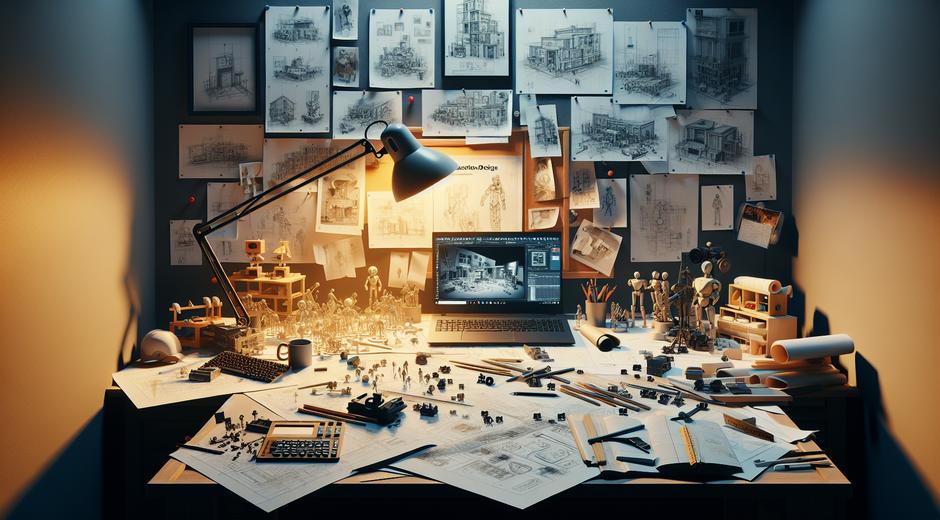
Modern Production Design uses a mix of traditional sketching and digital tools. Hand drawn concepts convey intent quickly while digital renderings communicate exact scale and lighting ideas to the art team. 3D models help plan camera paths and ensure set pieces do not interfere with blocking. On set a designer needs strong observation skills to adjust dressing and props as scenes evolve. Efficiency is enhanced by maintaining standardized templates for schedules and construction documentation.
Finding Inspiration and Resources
Inspiration can come from unexpected places. Museums architecture books travel and everyday urban observation fuel original ideas. Online resources and industry websites provide trends case studies and interviews that can sharpen creative thinking. For readers who want more curated film content and deep dives into design breakdowns visit moviefil.com where articles explore craft details across genres and eras. For those looking for real world space inspiration and practical layout ideas that translate to set design consider exploring MetroPropertyHomes.com which offers a perspective on interiors and architectural features that can be adapted for film use.
Measuring Success in Production Design
Success is measured both by audience response and by how well the design served the story. A design that distracts from the narrative has failed. A design that supports subtle emotional shifts and makes the world believable has succeeded. Awards and critic recognition are one metric but the true indicator is how memorable the world feels to viewers and how it amplifies character and theme.
Career Paths and Growth
Career progression often starts in art department roles assisting set dressing construction or as a concept artist. Over time many designers move into larger scale projects and take on supervisory roles. Networking and a strong show reel are essential for growth. Mentorship from experienced designers accelerates learning and exposure to complex production challenges builds confidence and reputation.
Final Thoughts
Production Design is a vital storytelling tool that blends creativity craft and collaboration. It converts script intention into a lived in world that actors and audiences can inhabit. Whether you are an aspiring designer a director thinking about visual approach or a fan interested in how films are made understanding Production Design deepens appreciation and sharpens creative choices. The next time you watch a film pay attention to the way objects walls and light quietly tell you the story beyond the words.