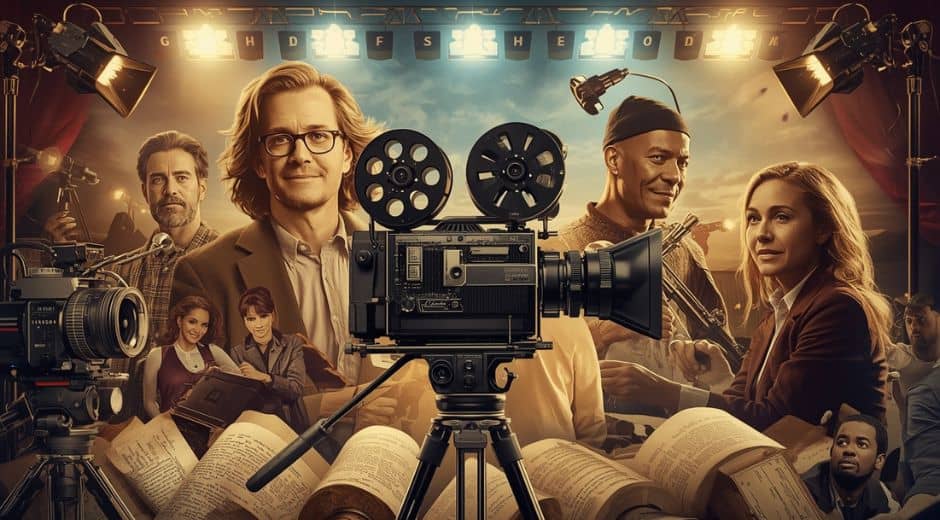


Cinematography: The Art and Science Behind Movie Magic
Behind every breathtaking movie scene lies an unseen architect of emotion, light, and perspective. Cinematography is the bridge between imagination and reality, shaping how audiences see and feel every moment on screen. While actors deliver the performance, and directors guide the story, it is the cinematographer who paints with light, framing every shot as a piece of visual poetry.
The Essence of Cinematography
At its core, cinematography is storytelling through visuals. It transforms words into moving images, creating emotional resonance long before a line is spoken. A skilled cinematographer knows that each angle, shadow, and color carries meaning. The tilt of a camera can suggest vulnerability, a shift in lighting can express fear or warmth, and a single tracking shot can immerse the audience into a character’s world.
Consider films like 1917 or The Revenant. Both relied heavily on masterful cinematography to create deeply immersive experiences. Long continuous shots and natural lighting made viewers feel like participants, not observers. This is the invisible language of film that speaks directly to emotion.
Crafting Atmosphere Through Light
Lighting is the soul of cinematography. It defines mood, tone, and texture. Harsh white light can create tension, while warm golden tones suggest intimacy or nostalgia. A cinematographer must understand not only the physics of light but also its psychology.
In noir classics, shadows and contrasts reveal mystery and danger. In modern romance films, soft diffused light brings tenderness. In horror, flickering or uneven lighting unsettles the viewer’s mind. These decisions are not random, they are deliberate choices that manipulate emotion.
Roger Deakins, one of cinema’s most respected cinematographers, once said that light is not just about visibility—it’s about emotion. That statement defines the art of the profession.
Framing: The Invisible Guide of the Story
Composition is another crucial pillar of cinematography. The way a scene is framed determines what the viewer focuses on. Every frame tells its own story, guiding the audience’s eye and building subconscious understanding.
For example, when a character is placed on the edge of the frame, it often symbolizes isolation. A close-up can reveal vulnerability, while a wide shot captures scale and grandeur. The symmetry of Wes Anderson’s movies or the chaotic framing of handheld scenes in Saving Private Ryan both serve narrative purpose.
Cinematographers must collaborate closely with directors to ensure that visual framing aligns perfectly with storytelling intent.
The Role of Color and Contrast
Color plays a silent but powerful role in cinematography. It conveys tone, mood, and symbolism. The cold blues of a dystopian city, the dusty golds of a western landscape, or the neon hues of a cyberpunk thriller all evoke specific feelings.
Take Joker (2019), where the gradual shift in color palette mirrors the main character’s descent into chaos. This visual storytelling amplifies the emotional impact, often without a single word being spoken.
In contrast, black-and-white cinematography focuses purely on light, texture, and form, allowing viewers to concentrate on performance and movement rather than distractions of color.
Movement: Bringing Energy to the Screen
A static camera can create stillness, but movement introduces rhythm and life. Camera movement is a language within itself in cinematography. A slow dolly forward can symbolize curiosity or danger, while a sudden handheld shake can induce panic or realism.
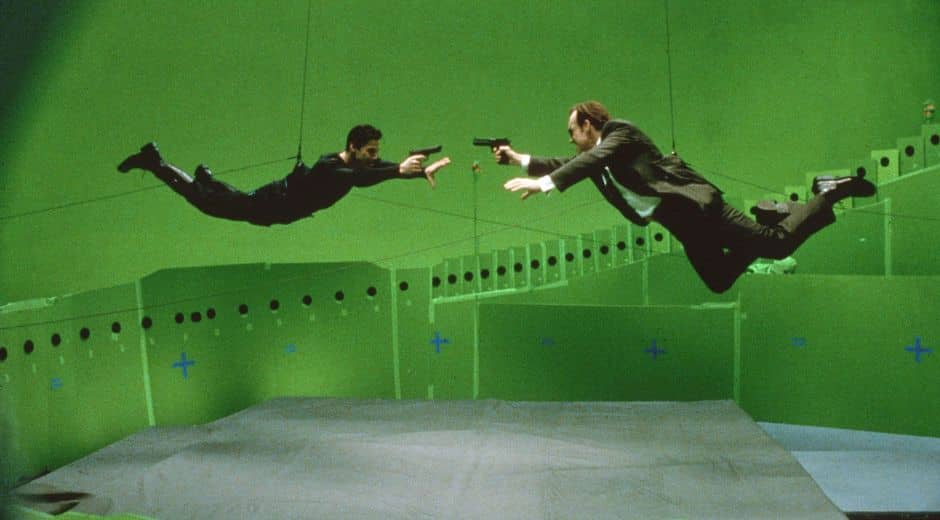
The use of drone shots, steadicams, and gimbals has expanded what’s possible. For instance, the continuous sequence shots in Birdman created a sense of theatrical immediacy. These innovations show how technical mastery and creative intention work together to enhance storytelling.
Collaboration: The Cinematographer and the Director
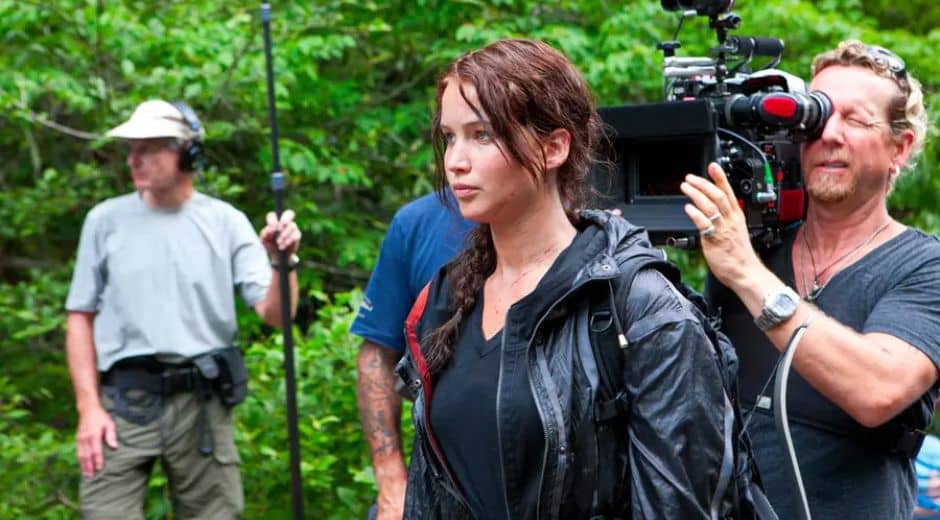
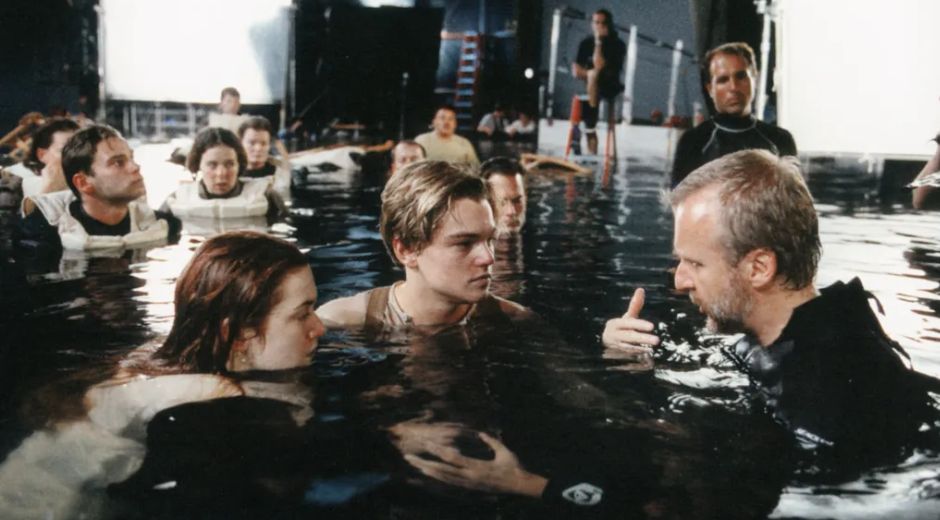
The relationship between director and cinematographer is one of the most essential partnerships in filmmaking. Together they decide on the movie’s visual grammar—its tone, rhythm, and aesthetic.
While the director defines the narrative, the cinematographer translates it visually. Some legendary collaborations include Steven Spielberg and Janusz Kamiński, or Christopher Nolan and Hoyte van Hoytema. Their shared understanding of cinematography results in unforgettable visual storytelling that defines entire generations of cinema.
The Evolution of Cinematography
From silent films to digital epics, cinematography has evolved dramatically. Early pioneers relied on natural light and basic framing, while today’s artists wield advanced tools like 4K cameras, CGI, and motion capture. Yet, despite technological leaps, the essence remains unchanged: to tell a story visually.
Modern digital tools allow for limitless creativity, but great cinematographers still rely on timeless fundamentals—composition, contrast, and light. The future promises even more integration of AI-driven image stabilization and virtual production techniques, yet the emotional core of cinematography will always remain human.
The Emotional Impact of Visual Storytelling
Every great movie leaves behind a visual imprint. Think of the slow-motion explosion in Inception, the wide desert shots in Lawrence of Arabia, or the intimacy of handheld scenes in Marriage Story. These are not accidents—they are emotional choices crafted through meticulous cinematography.
Visual storytelling connects audiences universally, beyond language or culture. It makes us feel. When the camera lingers, pans, or cuts at just the right moment, it triggers empathy, awe, or suspense.
Learning the Craft
Aspiring filmmakers can begin exploring cinematography by studying classic films and practicing camera work with intention. Understanding how light interacts with surfaces, or how framing changes perception, builds a visual vocabulary.
Many professional insights and interviews with master cinematographers can be found on IndieWire, a trusted resource for understanding industry craftsmanship and emerging film technology.
If you want to explore more cinematic stories and creative insights, visit Moviefil, where we share deep dives into the world of TV and movies, from concept to execution.
And if you’re interested in how storytelling visual styles differ across regions, you can explore more perspectives by checking romantichs for an international approach to film culture and emotion.
The Final Frame
Cinematography is more than a technical process, it’s emotional architecture. Every choice of light, movement, and color builds a visual narrative that shapes the audience’s experience. The next time you’re captivated by a scene, remember that beyond the actors and dialogue, there’s an unseen artist guiding your gaze and your heart—one frame at a time.

Your Cinema Journey


Film Aesthetics That Define Iconic Movies
Film Aesthetics That Define Iconic Movies
Symbolic Scenes That Deliver Hidden Meaning
Symbolic Scenes That Deliver Hidden Meaning

Creative Cuts That Shape Movie Storytelling
Creative Cuts That Shape Movie Storytelling